In today’s dynamic world, the pace of creation has accelerated to an astonishing degree. From digital content to product design, the demand for new material seems ceaseless. This constant push for speed raises a fundamental question for creators, businesses, and audiences alike: What is the true impact of rapid production on creativity? Does the relentless pursuit of quick output diminish the very spark of originality, or can ingenuity find new ways to flourish under pressure? This article explores the complex relationship between speed and artistic depth, considering the trade-offs and opportunities when operations speed up.
The contemporary creative landscape often feels like a high-speed assembly line. Audiences expect a steady stream of fresh content, algorithms favor frequent updates, and market competition demands constant innovation. This environment leads to what many call creative process acceleration, where the time once spent on contemplation, experimentation, and refinement is significantly shortened. Ideas must form quickly, develop rapidly, and be released without delay. This swift movement can sometimes feel invigorating, pushing boundaries and forcing quick decisions. Yet, it also brings a serious challenge: how does one maintain quality and distinctiveness when the clock ticks so loudly?
Traditionally, creative work has been associated with periods of quiet reflection, false starts, and unexpected breakthroughs. Think of the artist sketching countless drafts, the writer revising chapters multiple times, or the inventor tinkering for years. These lengthy periods of incubation allow ideas to mature, to be tested against different perspectives, and to undergo a natural transformation. When production cycles shrink, this vital incubation stage is often the first casualty. There is less room for ideas to marinate, for subconscious connections to form, or for the sheer joy of unhurried exploration.
The pressure to produce quickly can lead creators down familiar paths. It becomes safer to replicate successful formulas or adapt existing concepts, rather than to venture into truly new territory. Originality often springs from wrestling with a problem, from sitting with uncertainty, and from allowing diverse influences to converge. A shortened timeline might encourage expediency over genuine innovation, favoring what is known and tested over what is genuinely novel. This shift can slowly chip away at the distinctiveness of creative output, making it harder for truly groundbreaking work to emerge.
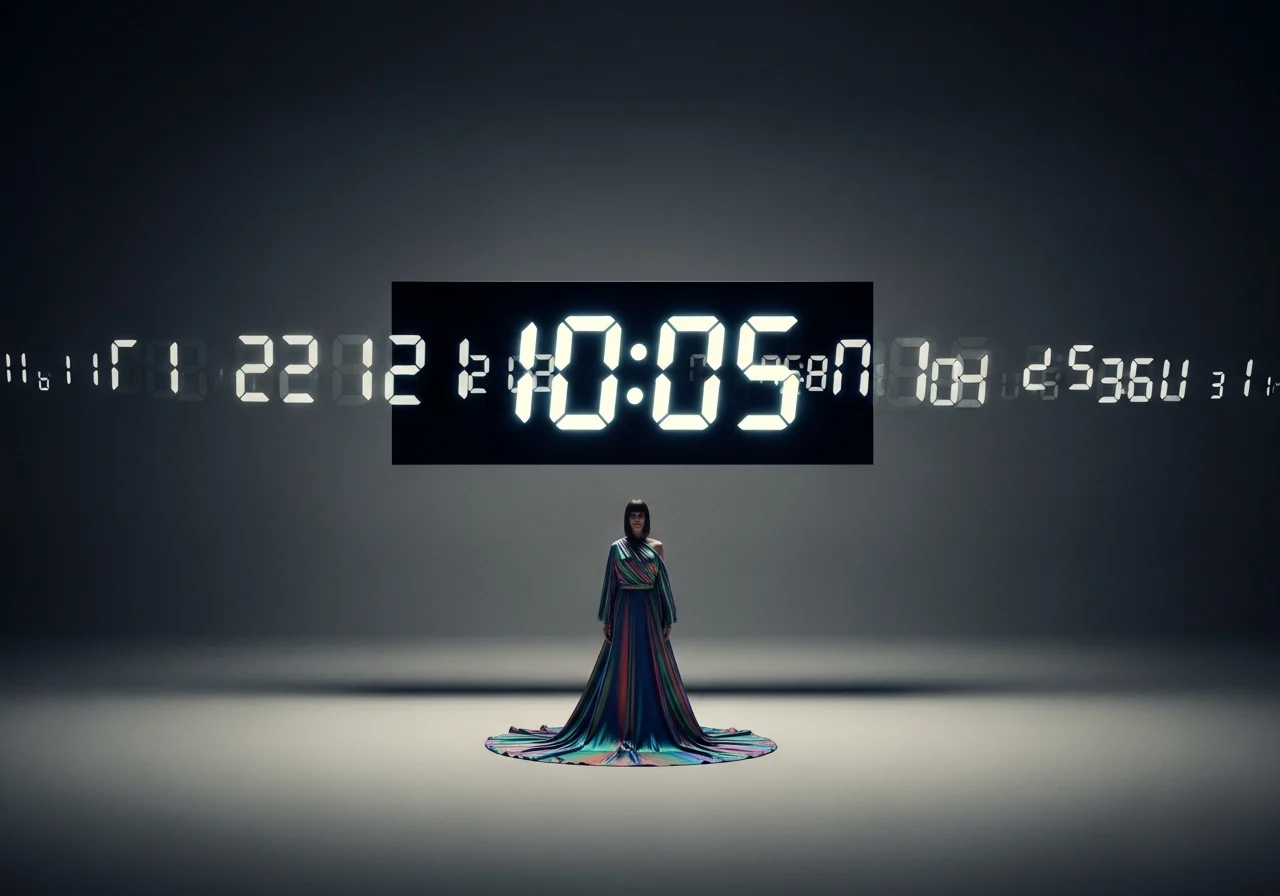
The phrase “content quality fast production” presents an inherent tension. Can something be both rushed and excellent? In many cases, the answer depends on the definition of “quality.” For some, quality means meeting basic requirements, delivering on time, and being sufficiently engaging to capture immediate attention. For others, it signifies profound insight, lasting aesthetic value, or a deeply moving experience. When speed becomes the primary metric, the latter definition often suffers.
Producing content at a high velocity often means less time for meticulous research, detailed editing, or thoughtful design. Errors may slip through, nuances might be lost, and the overall polish could diminish. The work might lack the depth that comes from careful consideration, or the emotional resonance that arises from genuine connection. While rapid production can certainly generate a large volume of material, the question remains whether this volume contributes significantly to a rich cultural or intellectual landscape. Fast content, if not carefully managed, risks becoming superficial, serving only momentary consumption rather than offering enduring value.
In the digital age, ideas appear and disappear with startling speed. A concept that is fresh today might be old news by tomorrow. This rapid cycle significantly influences the idea lifespan digital era. When content is produced quickly to meet immediate demands, it often has a correspondingly short shelf life. This creates a feedback loop: because ideas seem to expire quickly, there’s even more pressure to generate new ones at an accelerated rate, further reducing the time for deep creative work.
This dynamic has significant implications for the legacy of creative work. Will today’s quickly produced digital content be remembered or referenced years from now? Or will it simply dissolve into the vast, ever-growing ocean of information? Crafting something with lasting impact typically requires time, deliberate effort, and a vision that extends beyond immediate trends. When the focus shifts to constant novelty, there’s a risk that truly significant contributions might be overlooked or simply not given the chance to develop. The challenge is to create work that resonates beyond the fleeting moment, despite the pull of rapid consumption.
Despite the pervasive drive for speed, there are ways to protect and even foster deep creativity. The solution is not necessarily to reject speed entirely, but to approach it with strategic awareness. Professionals can make conscious choices to build in moments of pause, reflection, and thoroughness, even within tight schedules.
One effective method involves scheduling dedicated time for pure ideation, separate from the execution phase. This means setting aside blocks specifically for brainstorming, sketching, or free-form thinking, without the immediate pressure of production deadlines. Allowing ideas to develop without judgment at first can lead to more original and robust concepts later. Such periods can be brief, but their very existence signals a commitment to thoughtful beginnings.
While endless revision is impractical, focused iteration is crucial. Instead of making minor tweaks throughout a project, identify key points where significant feedback and revision can occur. This might involve early concept reviews, mid-project check-ins, or dedicated critique sessions. By concentrating refinement at specific stages, creators can make meaningful improvements without causing excessive delays.
Teamwork can be a powerful tool against the pitfalls of rapid production. By pooling diverse perspectives and skills, teams can accelerate the ideation process and catch potential issues early. A well-structured collaborative environment allows for quick feedback loops and shared problem-solving, which can elevate the quality of work without sacrificing too much time. Different individuals bringing their strengths to a task can often produce better outcomes more quickly than one person working in isolation.
Not every piece of content needs to be a masterpiece. Some projects genuinely benefit from speed and agility. The key is to define what “quality” means for each specific task. For a quick social media post, “quality” might mean timely relevance and clear messaging. For a major brand campaign, it would entail deep strategic thought and polished execution. By setting clear expectations for quality from the outset, resources and time can be allocated appropriately, preventing creative burnout and ensuring that truly important projects receive the attention they deserve.
Technology and digital tools play a significant role in accelerating production. When used thoughtfully, these tools can free up creative energy rather than suppress it. Automation can handle repetitive, mundane tasks, allowing creators to spend more time on conceptual work. Data analytics can provide insights into audience preferences, informing creative decisions without dictating them entirely. The aim is to use tools to streamline the mechanics of production, thereby preserving more human cognitive capacity for original thought and imaginative problem-solving.
For instance, project management software can help organize tasks and deadlines, making workflows more efficient. AI-powered tools can assist with initial drafts or content generation, providing a starting point that a human creator can then refine and infuse with unique perspective. The distinction lies in seeing these tools as assistants, augmenting human ability, rather than replacements for the irreplaceable human creative spirit.
The influence of rapid production on creativity is undeniable and complex. While it presents challenges to deep ideation, sustained quality, and the longevity of ideas, it also compels creators to be more adaptable, efficient, and strategic. The path forward involves a mindful approach: acknowledging the realities of accelerated timelines while consciously safeguarding the elements that foster genuine originality and depth.
For professionals in any creative field, understanding this dynamic is crucial. It means making deliberate choices about when to accelerate and when to slow down, when to prioritize volume and when to prioritize profound impact. By recognizing the trade-offs and opportunities, individuals and organizations can cultivate environments where creativity not only survives the demands of speed but also continues to deliver meaningful, resonant work that stands out in a crowded, fast-moving world.