In our current digital era, the call for creative individuals to maintain a constant, visible online presence has grown from a suggestion into an almost unquestioned requirement. What began as a helpful avenue for showcasing work and connecting with audiences has evolved into a demanding arena, often creating significant challenges for artists, writers, designers, and performers alike. The pressure of online presence for creatives is a pervasive force, shaping not only how work is shared but also how it is conceived and executed. This article delves into the often-overlooked costs of this relentless demand, exploring its impact on creative well-being, the quality of artistic output, and personal boundaries, while offering perspectives on cultivating a more sustainable and intentional approach to digital visibility.
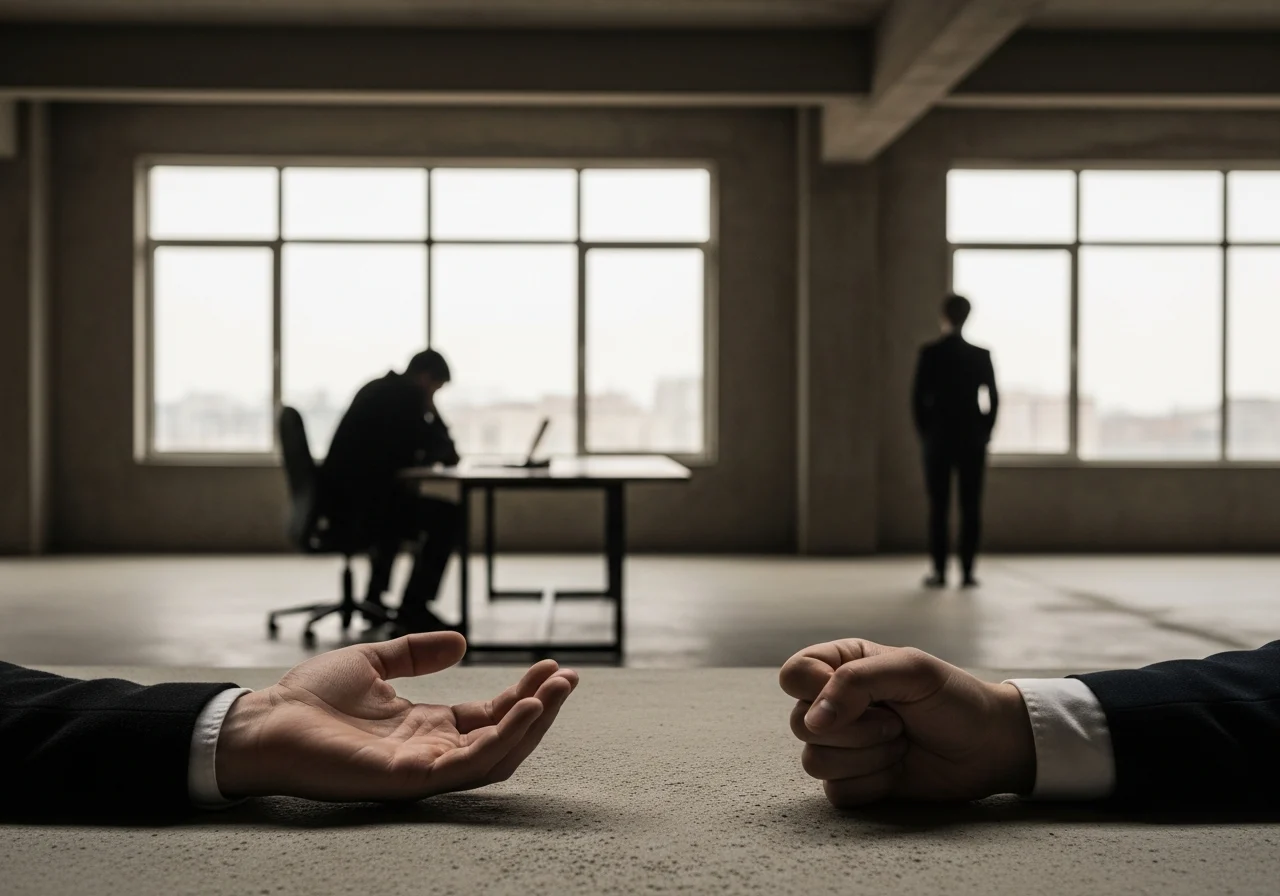
For many creative professionals, the digital realm offers a compelling platform. It provides direct access to audiences, opportunities for collaboration, and avenues for career advancement that were once unimaginable. Yet, with these advantages comes an implicit contract: the expectation of perpetual availability and an unending stream of content. Social media algorithms favor regularity, and audience engagement often demands quick responses and frequent updates. This climate can transform the act of sharing into an obligation, shifting the focus from the intrinsic joy of creation to the external metrics of likes, shares, and followers. The digital stage, while offering a spotlight, also demands a continuous performance, regardless of whether the artist feels ready or inspired.
The relentless cycle of content creation and audience management frequently leads to a condition known as creative burnout online presence. This is not simply fatigue; it is a profound depletion of energy, motivation, and inspiration that makes the very act of creating feel like a burden. When every new idea or completed project is immediately viewed through the lens of its online shareability, the inherent pleasure of the work can diminish. Creatives find themselves producing for the algorithm, for public approval, or to maintain relevance, rather than for personal expression or artistic exploration. This constant external validation loop can drain mental resources, leaving little room for genuine introspection or the quiet contemplation necessary for deep creative work. The demand to be always on, always visible, and always engaging can quickly exhaust even the most passionate individuals, turning their craft into a source of stress instead of fulfillment.
One of the most significant consequences of the online visibility imperative is its influence on the creative process itself. There is a palpable tension between the desire to produce work of substantial meaning and the digital world’s preference for rapid, easily consumable pieces. This dynamic, often characterized as the challenge of depth vs. immediacy creative work, compels many to adapt their methods. Projects that require extensive research, prolonged development, or quiet gestation periods can feel at odds with platforms that reward quick updates and snackable content. The pressure to generate a consistent flow of material can lead to a prioritization of quantity over quality, or a simplification of complex ideas to fit shorter attention spans. Artists may find themselves sacrificing the nuanced layers of their craft for the sake of instant engagement, potentially diluting the impact and lasting value of their contributions. The thoughtful, deliberate pace that often underpins truly profound creation struggles to coexist with the fast-paced nature of digital consumption.
The digital sphere not only blurs the lines between work and leisure but also between public persona and private self. For creatives, this can manifest as a struggle with setting boundaries for creatives online. The expectation of authenticity often translates into a demand for personal transparency, prompting individuals to share aspects of their lives that extend beyond their professional output. Audiences, feeling a sense of connection, may believe they have a right to access creators at any time, leading to an erosion of personal space. Messages, comments, and direct inquiries can arrive at all hours, making it difficult to disconnect and recharge. Without clear, asserted limits, creatives risk their personal lives being consumed by their public personas, leading to feelings of intrusion, anxiety, and a loss of privacy essential for personal well-being and creative rejuvenation. Establishing these limits is not about being unapproachable, but about safeguarding the mental and emotional resources necessary to continue making meaningful work.
Acknowledging these challenges is the first step toward building a more sustainable relationship with online presence. Creatives can reclaim their autonomy by adopting intentional strategies that prioritize their well-being and the integrity of their art. This involves a conscious decision to define what meaningful online visibility looks like for them, independent of external pressures.
The goal for creatives in the digital age should not be to escape online presence entirely, but to cultivate sustainable creative visibility – a way of being present that supports, rather than depletes, their artistic journey. This involves a thoughtful integration of digital tools into their practice, viewing them as instruments to serve their creative goals, not as demanding masters. It means understanding that true impact often stems from the depth and resonance of the work itself, not merely from its exposure. A sustainable approach recognizes that a creative life requires periods of quiet reflection, deep focus, and personal restoration, all of which are compromised by an expectation of perpetual online performance.
By consciously choosing how and when to engage, by setting robust boundaries, and by prioritizing the intrinsic value of their art, creatives can transform their online experience. They can move from feeling like captives of the digital landscape to becoming thoughtful architects of their own digital presence. This path allows for a continued connection with audiences while safeguarding the essential wellspring of creativity that makes their contributions so valuable. The challenge lies in remembering that the most important audience for any creative work is often the creator themselves, and their well-being is paramount to the longevity and quality of their artistic contributions.