The world of high-end goods and services is undergoing a significant transformation. What once captivated the affluent buyer with ease now meets a more critical gaze. The days when simply slapping a designer label on something guaranteed desire are fading. Today’s wealthy shoppers possess a different set of priorities and a sharpened sense of value. They are not merely acquiring objects; they are seeking meaning, authenticity, and a connection that goes deeper than superficial glitz. This shift presents a real challenge for brands trying to capture the attention and loyalty of this sophisticated group.
For many years, the luxury sector operated on principles that felt constant: scarcity, prestige, and overt displays of wealth. However, the landscape has changed dramatically. A new era has dawned where the very foundation of desire is being re-examined by the people who fuel this market. To truly connect with these buyers, brands must first grasp the underlying reasons for this change, then adapt their approach to meet these new, elevated standards.
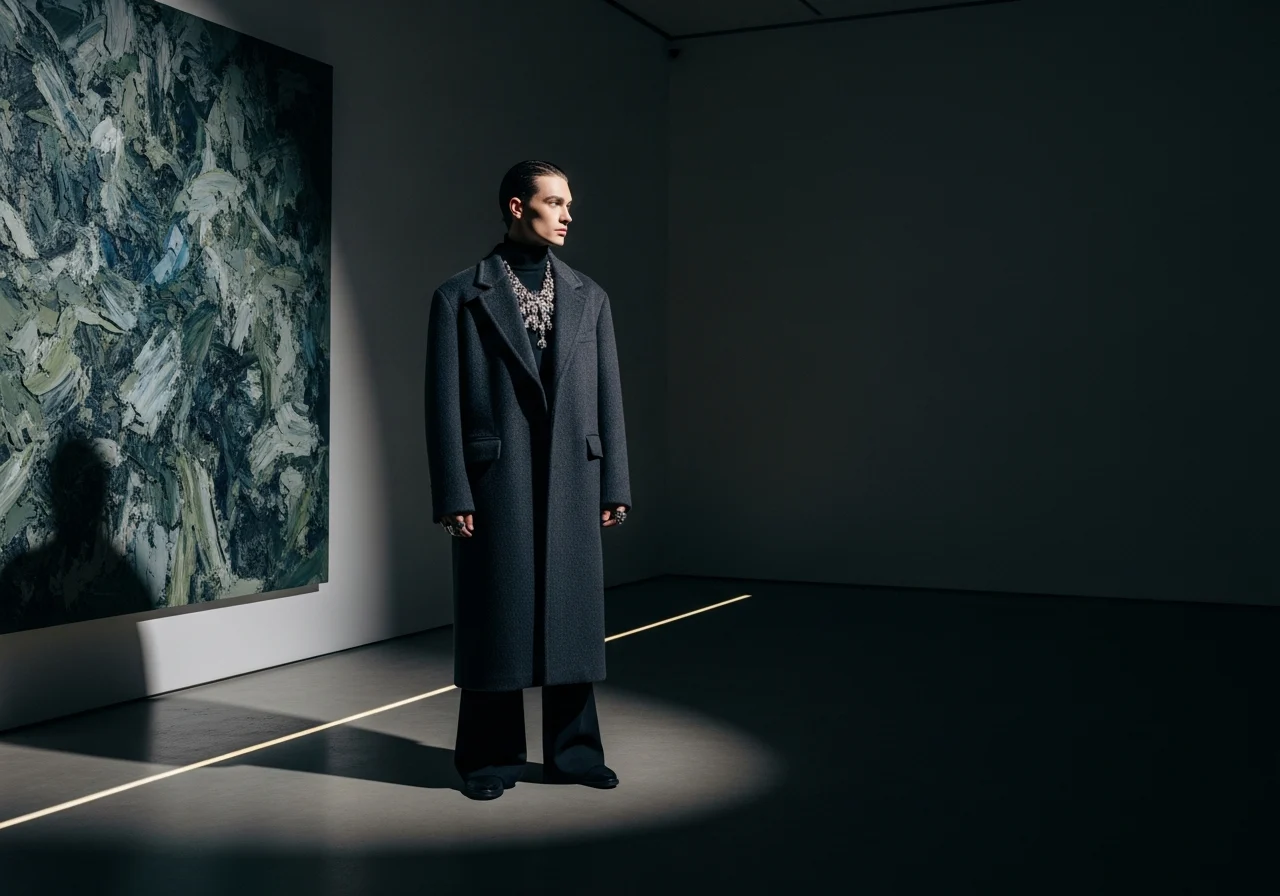
A significant factor in the changing dynamics of high-end retail is the sheer volume of choices available. The past few decades have seen an explosion in the number of brands vying for a piece of the affluent pie. What once felt exclusive and rare has, in many categories, become commonplace. This luxury market saturation means that consumers are constantly bombarded with messages, new collections, and limited editions. When every brand claims to be unique, special, or the pinnacle of quality, the claims begin to lose their power.
Think about the sheer number of designer handbags, high-end watches, or premium travel experiences advertised today. Each promising a unique experience, a special status. When so many options exist, the distinctiveness of any single offering diminishes. This abundance can lead to a sense of fatigue, where potential buyers struggle to differentiate between brands, perceiving many as interchangeable. The constant cycle of new releases, often driven by seasonal trends or marketing calendars, further contributes to this feeling, making it difficult for products to retain a sense of lasting specialness.
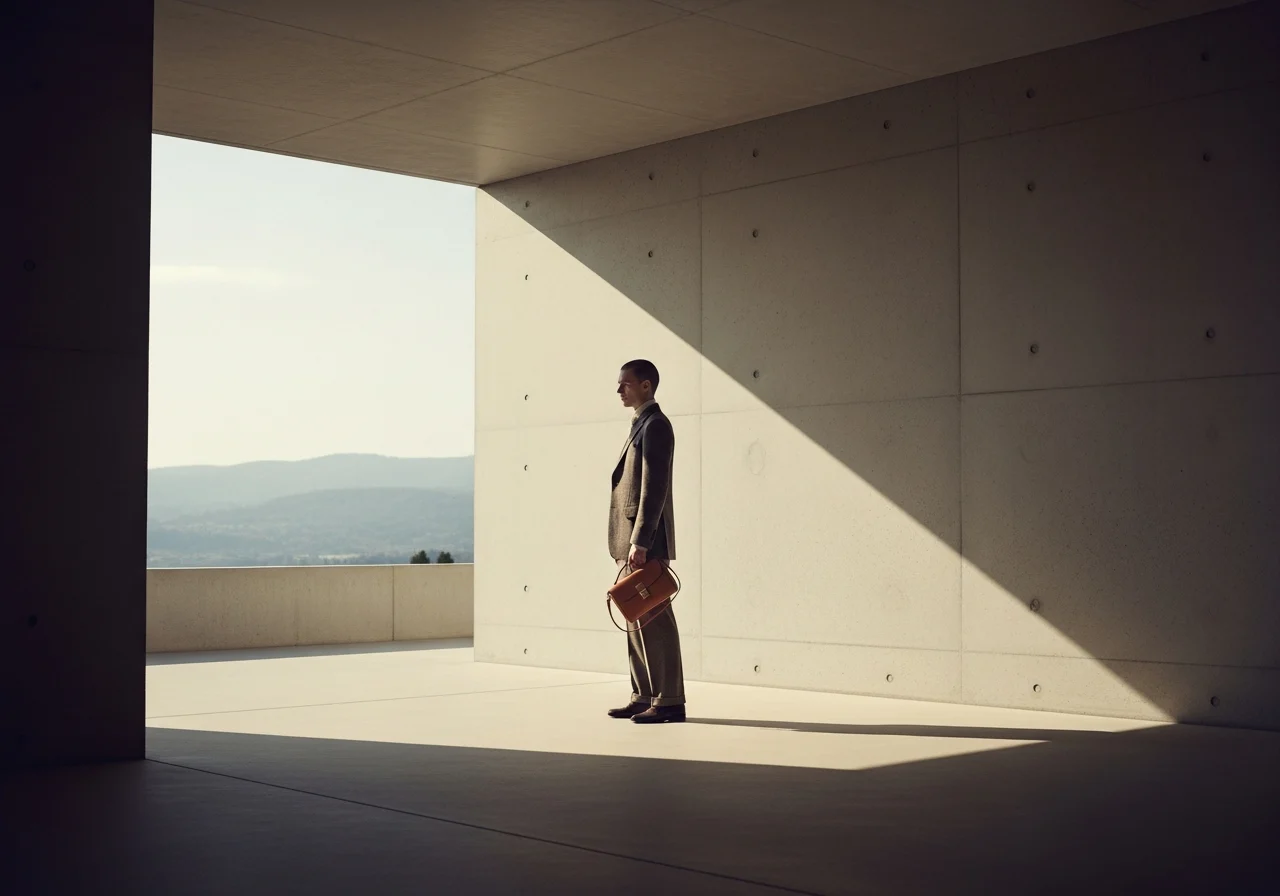
Along with increased market density comes a natural consequence: a heightened sense of luxury consumer skepticism. Today’s affluent buyers are not easily swayed by marketing hype or celebrity endorsements alone. They have access to vast amounts of information, can research products and brands extensively, and are quick to spot inconsistencies or inauthenticity. They ask harder questions about a product’s origins, its environmental impact, and the true value it offers beyond its price tag.
This questioning attitude stems from a desire for transparency and a weariness of what feels like manufactured aspiration. They are aware of marketing tactics and are less impressed by overt displays of wealth. Instead, they seek genuine quality, true craftsmanship, and a compelling narrative that resonates with their personal values. A brand’s story, its heritage, and its commitment to ethical practices now hold as much weight as its aesthetic appeal. If a brand’s actions don’t match its words, today’s buyer will likely look elsewhere.
In a world overflowing with luxury goods, one brand consistently stands out for its sustained desirability: Hermès. Their approach offers a masterclass in how to counter market saturation and consumer skepticism. Hermès brand positioning is built on principles that run counter to much of the modern luxury industry. They do not chase trends. They do not flood the market with products. Instead, they prioritize exceptional craftsmanship, a rich heritage, and a deliberate pace.
Hermès operates with a profound sense of restraint. Their iconic products, like the Birkin or Kelly bags, are not readily available in every boutique. There are waiting lists, a specific purchasing process, and an emphasis on the relationship a client has with the brand. This controlled availability creates true scarcity, which, in turn, fuels genuine desire. They focus on producing items of lasting quality, often handmade by skilled artisans, ensuring that each piece tells a story of dedication and expertise. This commitment to traditional methods and long-term value stands in stark contrast to fast-fashion luxury cycles, allowing Hermès to maintain an aura of true exclusivity.
The Hermès model highlights the crucial role of a well-executed luxury brand exclusivity strategy. For many brands, exclusivity is a buzzword, but for Hermès, it’s a fundamental operating principle. It’s not just about high prices; it’s about controlled access, limited production, and a focus on building deep, personal connections with clients. This strategy creates a perception of rarity and specialness that mass production simply cannot replicate.
This method involves several key elements:
This approach cultivates a sense of belonging to a select group, making the acquisition of a product feel like an achievement rather than a mere purchase.
For brands to succeed in this new environment, they must connect with consumers on a deeper level. This is where emotional intelligence in luxury marketing becomes indispensable. It’s no longer sufficient to simply display beautiful objects; brands must understand the underlying emotions, aspirations, and values that drive their target audience. This means moving past demographic data and delving into psychographics – what truly moves and motivates the affluent buyer.
Emotional intelligence in this context involves:
When a brand can tap into these deeper emotional currents, it builds a bond that transcends fleeting trends and offers a more profound sense of loyalty.
The luxury market has indeed changed, and the expectations of its most desired customers have evolved significantly. The days of easily captivating buyers with superficial displays are largely over. Today’s affluent consumer is more informed, more discerning, and more skeptical of overt marketing ploys. They are looking for true value, authentic stories, and a genuine connection with the brands they choose to support.
For luxury brands looking to not only survive but thrive in this altered landscape, the path forward is clear. It involves a strategic pivot away from mass appeal and towards genuine substance. This means a renewed focus on exceptional quality, a commitment to unique craftsmanship, and a willingness to adopt strategies that prioritize scarcity and exclusivity. Furthermore, it requires a profound understanding of the emotional drivers behind purchasing decisions, enabling brands to build relationships that are based on shared values and mutual respect. The future of luxury belongs to those who can master the art of genuine connection, transforming transactions into meaningful experiences that resonate deeply with the discerning buyer.