In a world where digital presence often equates to value, a counter-current gathers strength among those at the pinnacle of success. The display of wealth, once a clear sign of achievement, now frequently yields to a more subtle, considered approach. This transformation marks the rise of discretion as a competitive advantage, a powerful tool for both individuals and enterprises operating in the upper echelons of society. The shift towards quiet luxury and a discreet wealth aesthetic signals a profound re-evaluation of what true prosperity represents. It suggests that privacy, far from being a mere convenience, has become the ultimate modern privilege, particularly in a world saturated with information and constant visibility. This piece will explore the strategic, psychological, and cultural elements that have elevated controlled visibility to such a prominent position, offering insights for anyone seeking to understand the contemporary luxury environment.
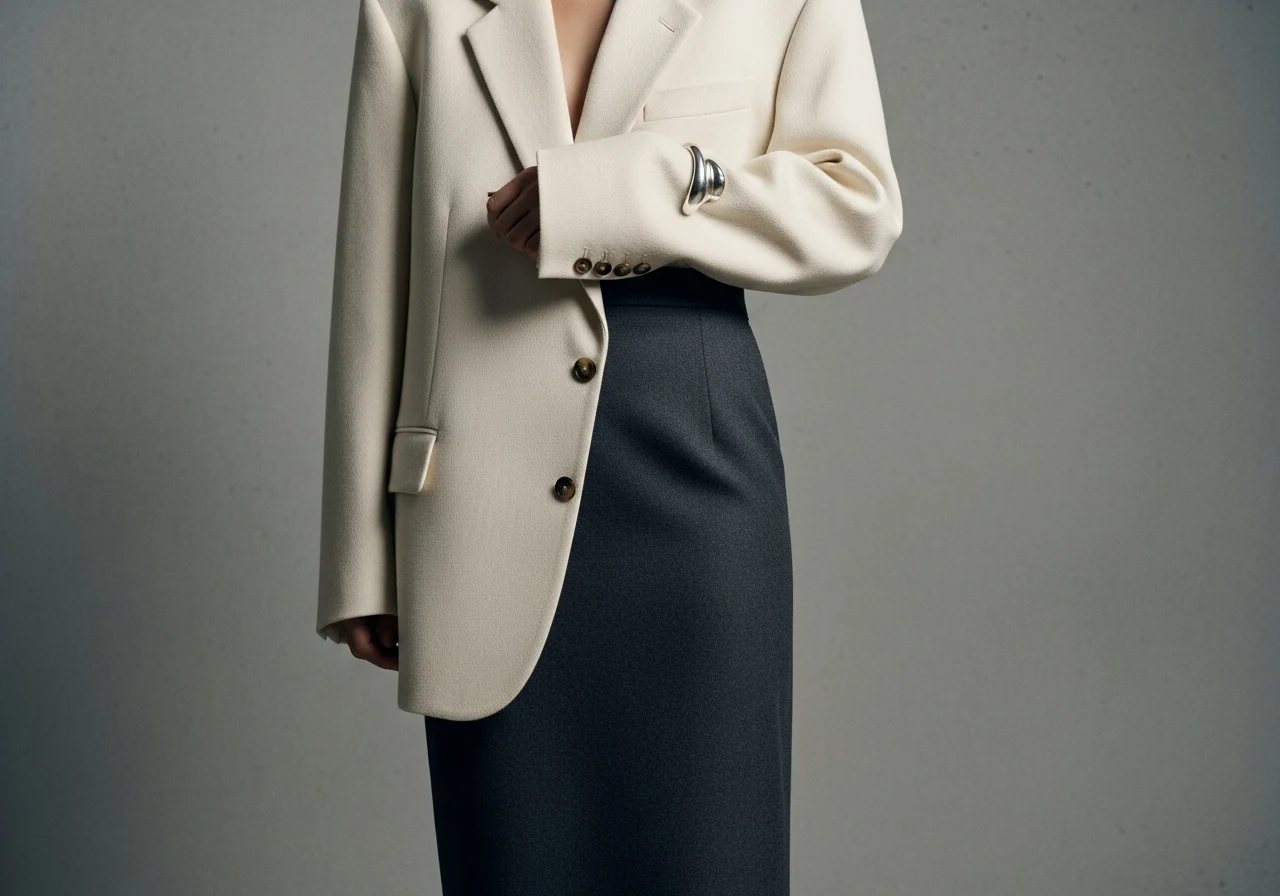
For many years, luxury was synonymous with overt display. Grand homes, flashy vehicles, and prominently branded items served as clear indicators of financial standing. However, the current era sees a profound redefinition. True value for the affluent consumer now resides less in external show and more in intrinsic quality, personal meaning, and a sense of exclusivity that does not require public affirmation. This movement gives rise to the concept of quiet luxury, where superior craftsmanship, rare materials, and exceptional service are appreciated for their inherent worth, not for their ability to garner public attention. Consumers with significant means are increasingly drawn to products and experiences that offer personal satisfaction and a sense of belonging to a select group, rather than those designed for widespread recognition. The value resides in the experience and the quiet assurance of quality, a distinct departure from previous norms.

Few designers have shaped the contemporary understanding of subtle affluence quite like Phoebe Philo. Her work, particularly during her tenure at Céline, championed an aesthetic that eschewed overt branding and flashy ornamentation. Instead, she focused on precise tailoring, rich fabrics, and understated silhouettes that communicated sophistication through their structure and quality alone. This approach resonated deeply with a clientele seeking intelligent, practical clothing that offered a sense of personal power without needing to shout. The Phoebe Philo influence cemented the idea that true luxury speaks in hushed tones, prioritizing comfort, utility, and a quiet confidence over transient trends. Her designs encouraged individuals to find their strength in clothing that served them, not the other way around. This perspective significantly contributed to the development of the discreet wealth aesthetic, where personal style signals status through its thoughtful construction and refined simplicity, not through logos or easily recognizable symbols.
In an age of omnipresent social media and data tracking, the ability to control one’s visibility has become extraordinarily valuable. For individuals of significant means, privacy as ultimate privilege is not merely about avoiding public scrutiny; it represents freedom. It grants the ability to live authentically, pursue interests without external judgment, and protect personal and professional relationships from unwanted attention. This controlled exposure is a marker of true influence. For brands targeting this discerning demographic, understanding this desire for personal space is paramount. Enterprises that respect and facilitate this need for discretion cultivate deeper trust and loyalty. They offer exclusive experiences, limited access, and a sense of belonging to a circle that values genuine connection over widespread recognition. The perception that a brand understands and guards its clients’ private worlds creates an emotional bond far stronger than any advertising campaign could achieve.
Businesses that master the art of discretion gain a significant competitive edge. By offering products or services that appeal to a desire for understated quality and exclusivity, they position themselves differently in the market. Here are key strategic benefits:
For individuals, adopting a discreet approach to personal branding can also be highly advantageous. It allows professionals to build a reputation based on accomplishments and substantive contributions, rather than superficial metrics. A quiet, confident presence often commands more respect and attention in high-stakes environments than constant self-promotion.
The human desire for belonging and status remains a powerful motivator. However, the manifestation of these desires has changed for the financially established. Instead of seeking validation through public display, they often find satisfaction in a more subtle form of recognition – the acknowledgment from peers who share similar values and a deep understanding of quality. This psychological shift underpins the appeal of the discreet wealth aesthetic. It speaks to an internal locus of control, where self-worth is derived from personal standards and private achievements, rather than external applause. The ability to distinguish oneself without resorting to overt signals creates a sense of superior discernment and confidence. This approach suggests a level of security and self-possession that does not require external validation, making it deeply attractive to those who have already achieved a great deal and now seek deeper meaning and connection.
The growing emphasis on discretion reflects broader cultural adjustments. There is a growing weariness with the constant performance required by digital platforms and a longing for authenticity. As societies become more interconnected, the value of disconnectivity and personal space increases. This cultural lean towards understated power is likely to continue shaping consumer behavior and business strategies. Brands that fail to acknowledge this shift risk appearing out of touch, while those that adeptly cultivate an air of exclusivity and respect for personal boundaries will likely see sustained success. The future of luxury, therefore, points towards a deeper appreciation for substance over show, for genuine connection over fleeting impressions, and for the quiet authority that comes from true mastery and self-assurance. Discretion as a competitive advantage is not a passing trend; it represents a fundamental recalibration of value in a perpetually visible world.