For many years, travel has been more than simply visiting new places; it’s a way people show who they are, what they value, and where they stand. In today’s world of discerning wealth, a specific type of trip has risen to the top, becoming a powerful sign of both affluence and a deep respect for the planet. The luxury safari, in particular, has become a top contender in this arena. This kind of trip goes far beyond fancy hotels and good food; it involves a commitment to rare experiences, environmental care, and an escape that truly takes you away from daily life. A luxury safari operates as a declaration, standing as a true luxury safari status symbol for those who appreciate profound disconnection and meaningful engagement with the natural world.
The appeal of these high-end trips lies in their careful design, offering something truly special to those seeking more than just a typical vacation. It speaks to a desire for privacy, genuine encounters, and a chance to contribute to something bigger than oneself. This article will explore what makes these African adventures so special, how they reflect a certain kind of wealth, and what their growth means for travel and conservation around the globe.
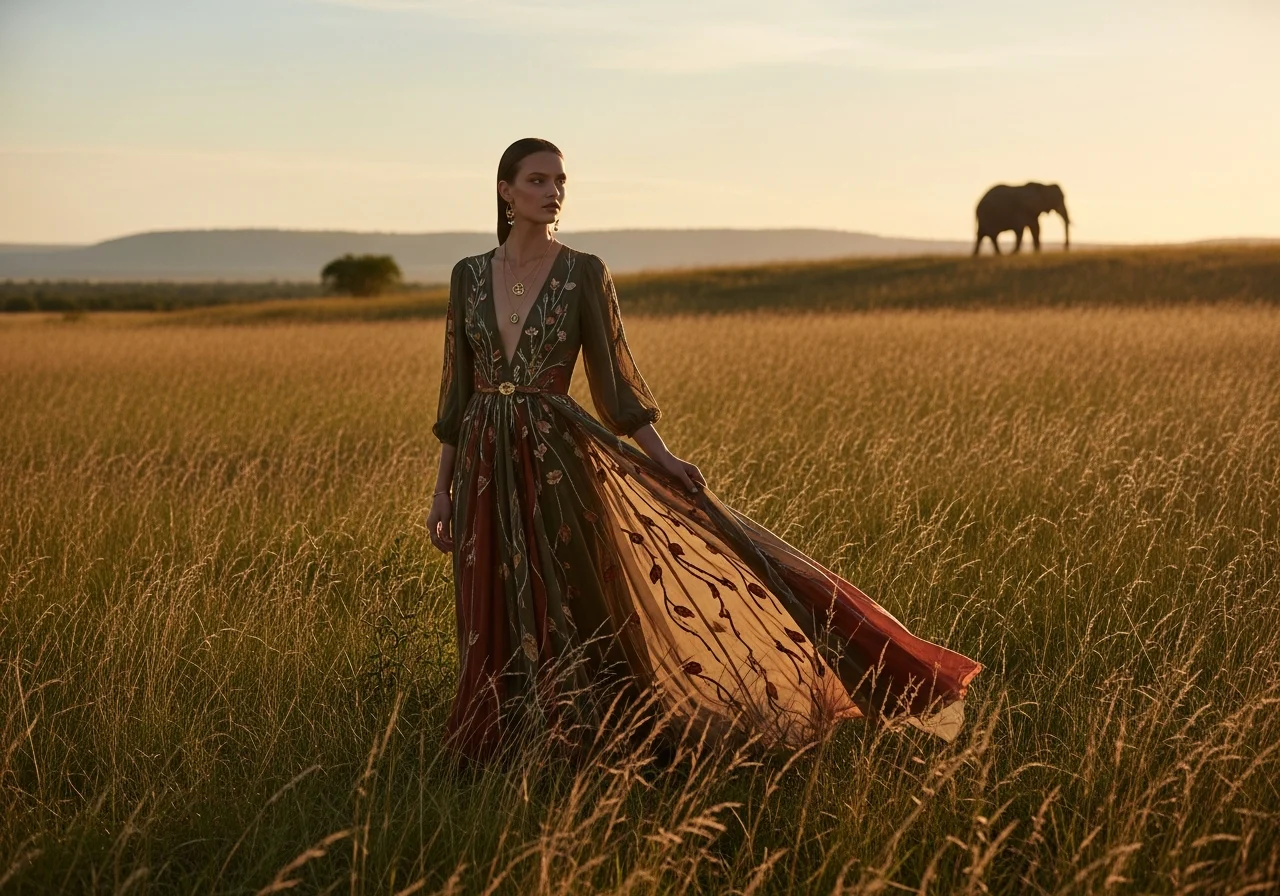
When people speak of high-end safari experiences, they are talking about something far removed from basic camping or crowded game drives. These trips are meticulously planned, focusing on exclusivity, privacy, and personalized service. Imagine waking up in a beautifully appointed tented suite, with views stretching out over vast plains, and having a personal guide ready to take you on a private game drive at your preferred time. The meals are prepared by skilled chefs, often using local ingredients, and served in stunning settings, perhaps under a canopy of stars or beside a watering hole where animals gather.
The difference lies in the details: private airstrips, access to vast private concessions where animal sightings are plentiful and other tourists are few, and highly trained guides who are not only experts in wildlife but also skilled storytellers. These guides can track animals with incredible precision, sharing deep knowledge about the ecosystem and its creatures. Every aspect of the stay, from the comfort of your bed to the temperature of your morning coffee, is managed with precision. It’s about providing an environment where guests can truly relax and immerse themselves in the wild, without any worries about logistics or comfort. This level of service and access creates a sense of privilege and deep connection, which is a key part of its appeal as a luxury safari status symbol.
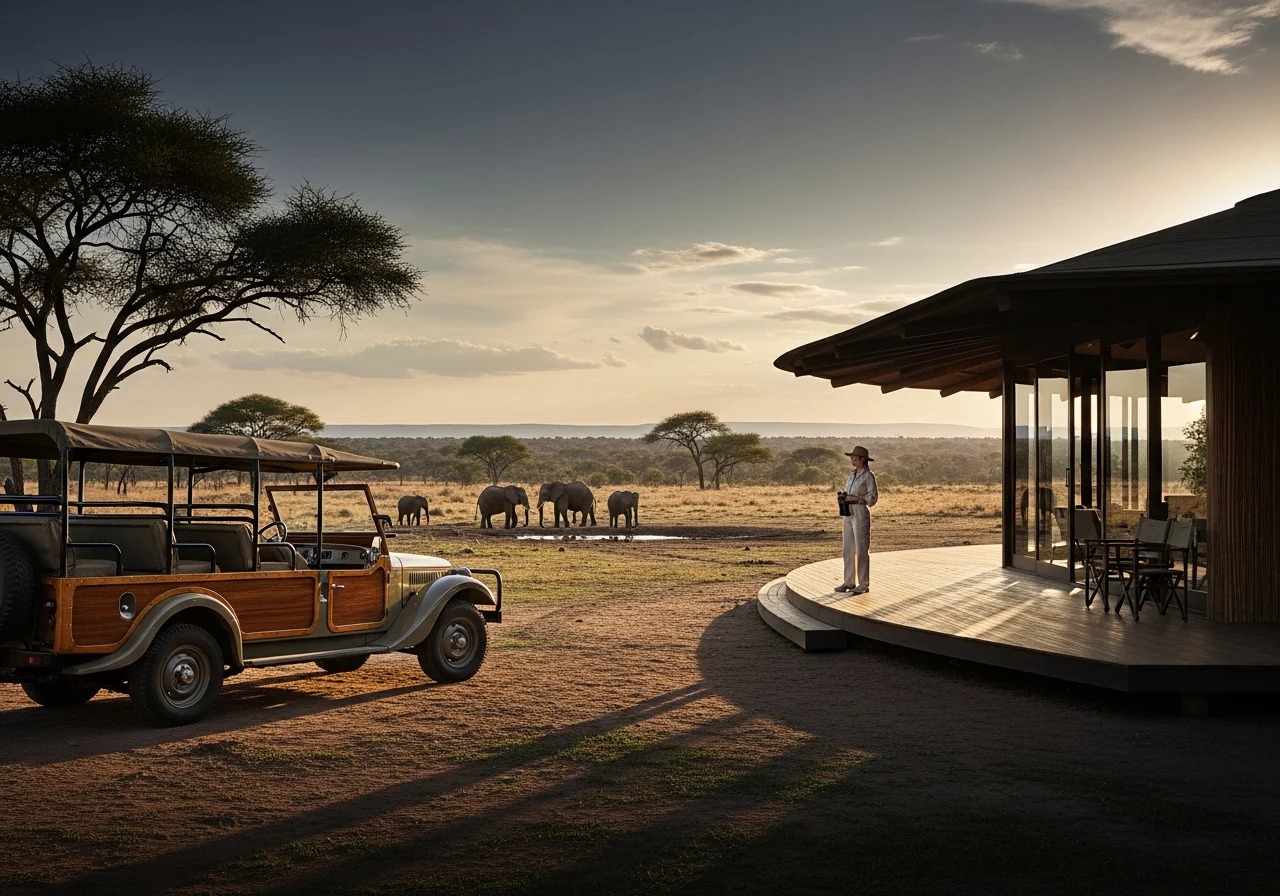
One of the most compelling aspects of modern high-end safaris is their strong tie to conservation. This isn’t simply about taking a nice trip; it’s about participating in luxury conservation travel. Many of the top safari operators pour significant resources directly into protecting the wildlife and the natural habitats where they operate. Guests often get to see these efforts firsthand, perhaps visiting anti-poaching units, meeting researchers, or learning about community development projects funded by their stay.
Choosing a luxury safari often means supporting lodges and camps that are deeply committed to ecological sustainability and empowering local communities. This might involve employing staff from nearby villages, building schools and clinics, or funding projects that provide clean water. For the affluent traveler, this adds a layer of profound meaning to their vacation. It transforms a leisure activity into a form of responsible luxury, where spending money directly contributes to the well-being of the planet and its people. This aspect elevates the experience beyond mere pleasure, making it a statement of ethical consumption and a demonstration of one’s commitment to global issues, further cementing its place as a mark of discerning wealth.
The story of safari travel has undergone a fascinating transformation over the years. What began centuries ago as hunting expeditions for big game has steadily morphed into something entirely different. The early 20th century saw the rise of photographic safaris, where cameras replaced rifles, and the goal became capturing images rather than trophies. This was a significant step, but the true safari tourism evolution began to pick up speed in recent decades.
Today, the focus is squarely on eco-tourism and low-impact travel. Operators now understand the delicate balance required to preserve these precious ecosystems while allowing visitors to experience their wonder. This shift has led to the development of smaller, more exclusive camps, often built with sustainable materials and designed to blend with the environment. It also means a greater emphasis on education, providing guests with a deeper understanding of the wildlife and the challenges they face. This journey from exploitation to preservation is a testament to changing global values, and luxury safaris stand at the forefront of this movement, showcasing how high-end travel can be a force for good.
In a world where digital noise and constant connectivity are the norm, the desire for genuine disconnection has grown immensely. This is where experiential luxury travel truly shines. A luxury safari offers an escape not just from daily routines, but from the demands of modern life itself. Imagine days spent tracking leopards, watching elephants drink at sunset, or listening to the sounds of the African night, far from email notifications and social media feeds.
This type of travel prioritizes experiences over material possessions. It’s about feeling the dust under your boots, smelling the wild sage, and witnessing nature’s raw drama unfold before your eyes. It’s about learning from expert guides, engaging in conversations around a campfire, and finding a quiet moment of reflection in an expansive wilderness. This profound disconnection allows for a deeper connection with oneself and the natural world, leading to personal growth and a renewed perspective. For the wealthy traveler, this isn’t just a vacation; it’s an investment in personal enrichment and a rare opportunity to truly switch off and be present, a luxury in itself.
When discussing top-tier safari experiences, it’s impossible not to mention names like Sir Richard Branson. His involvement in the safari world, particularly with properties like Mahali Mzuri in Kenya, serves as a prime example of how celebrity and vision can elevate the perception of a destination. A Richard Branson safari property isn’t just about lavish amenities; it represents a commitment to conservation and community, all wrapped in a package of refined comfort.
Mahali Mzuri, for instance, is set in the private Olare Motorogi Conservancy, providing guests with exclusive access to prime wildlife viewing areas. It combines exceptional service, stunning design, and a strong dedication to protecting the local Maasai community and the wildlife of the Maasai Mara. This kind of venture by a well-known figure reinforces the idea that luxury travel can and should be purposeful. It sends a clear message that true wealth isn’t just about what you can afford, but what you choose to support and experience, further solidifying the luxury safari status symbol.
Ultimately, a luxury safari stands as a potent luxury safari status symbol, but not in a flashy or ostentatious way. Instead, it’s a subtle, sophisticated declaration. It tells a story about the traveler: someone who values unique, authentic experiences over mass tourism; someone who understands the importance of privacy and personalized service; and, significantly, someone who is willing to invest in responsible travel that benefits both people and the planet.
It’s a sign of a person who seeks depth and meaning in their adventures, prioritizing genuine connection with nature and culture. This kind of trip shows an appreciation for the rare, the wild, and the truly exclusive. In a world where many luxury goods are easily acquired, the luxury safari offers something that cannot be simply bought off a shelf: access to pristine wilderness, expert knowledge, and the profound satisfaction of contributing to conservation. It’s a quiet nod to a lifestyle that values impact, privacy, and genuine connection above all else.
For those considering such a special trip, choosing the right operator is key. Look for lodges and camps that openly share their conservation initiatives and community involvement. Inquire about the expertise of their guides and the exclusivity of their game viewing areas. The best luxury safaris are those that offer a tailored experience, where every detail aligns with your desires for adventure, comfort, and purpose. It’s about finding a place where the wild heart of Africa meets the thoughtful planning of dedicated professionals, creating a truly memorable adventure.
The luxury safari has cemented its place as a premier symbol of discerning wealth and responsible luxury. It represents a changing world where affluence increasingly seeks meaning, impact, and authentic experiences. These trips offer more than just beautiful scenery and comfortable stays; they provide a chance to disconnect from the ordinary, reconnect with nature, and contribute to the preservation of our planet’s most precious wild places. For those who seek profound disconnection and a truly meaningful adventure, the luxury safari stands ready to deliver an experience unlike any other.