Southern Africa continues holding a special position in the world of travel because few regions offer such striking contrasts within a single journey. One itinerary can move from cosmopolitan cities and coastlines to mountains, vineyards, and vast wildlife landscapes. The region carries a sense of scale that changes perspective almost immediately. Travel there feels less structured and more immersive, allowing experiences to develop naturally rather than follow rigid schedules.
South Africa remains one of the continent’s most significant tourism destinations. According to Statistics South Africa, the country welcomed approximately 8.92 million international visitors in 2024, reflecting continued growth and strong international demand. The numbers explain popularity, though they reveal very little about atmosphere. Travelers increasingly search for destinations offering more than scenery alone. South Africa responds through scale, nature, and experiences that remain difficult to replicate elsewhere.
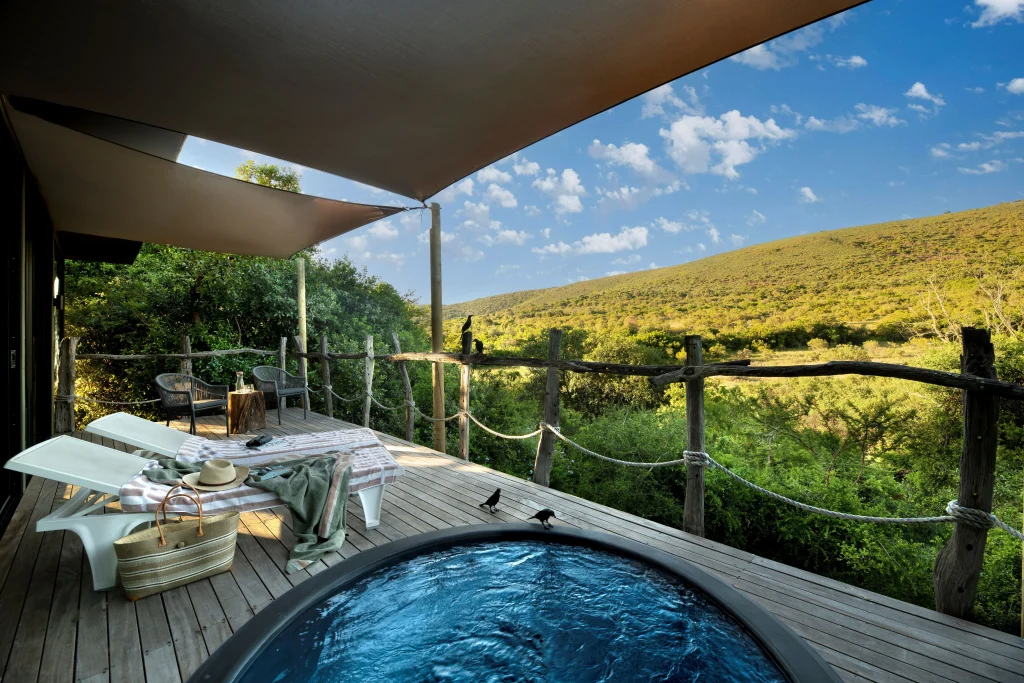
Safari occupies a category entirely of its own. Luxury hotels impress guests and beach destinations create relaxation, yet safari changes something different: attention itself. The experience gradually shifts focus away from schedules and daily routines toward observation and presence. Visitors frequently arrive expecting dramatic wildlife sightings, though after several days many discover the most fascinating moments are often the quiet ones — elephant herds moving together, distant bird calls, changing light across the landscape, and the extraordinary skill of guides reading signs invisible to most people.
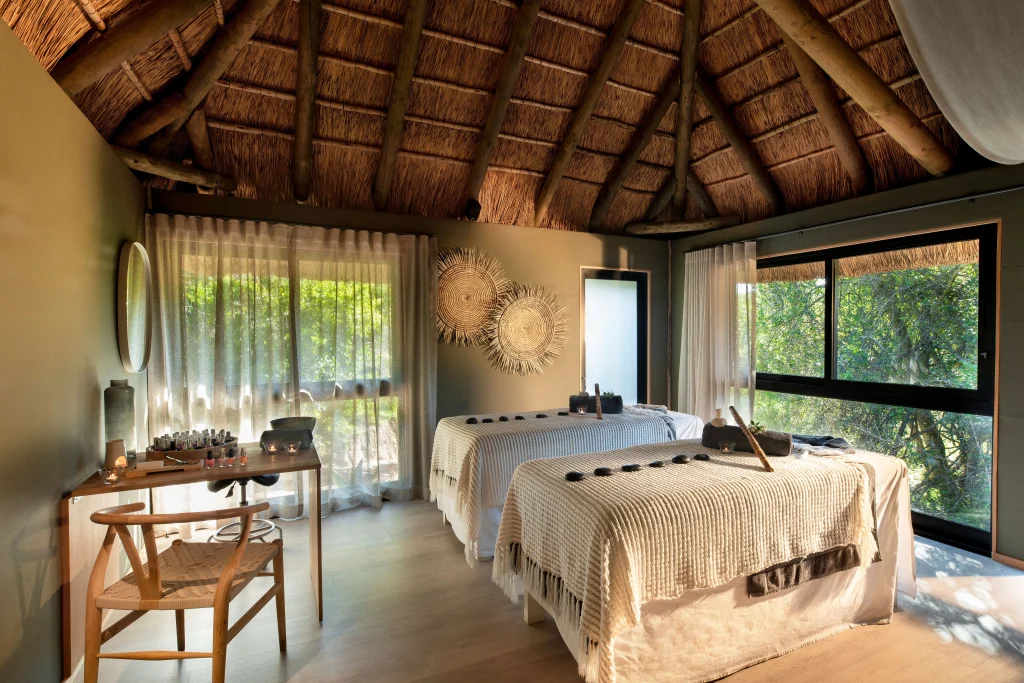

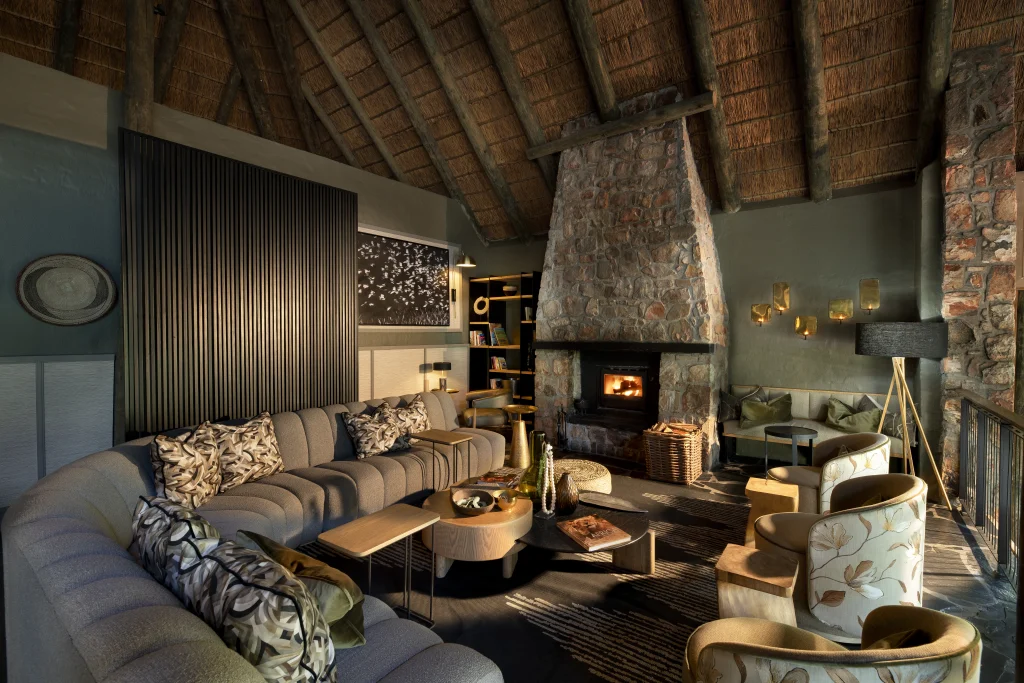
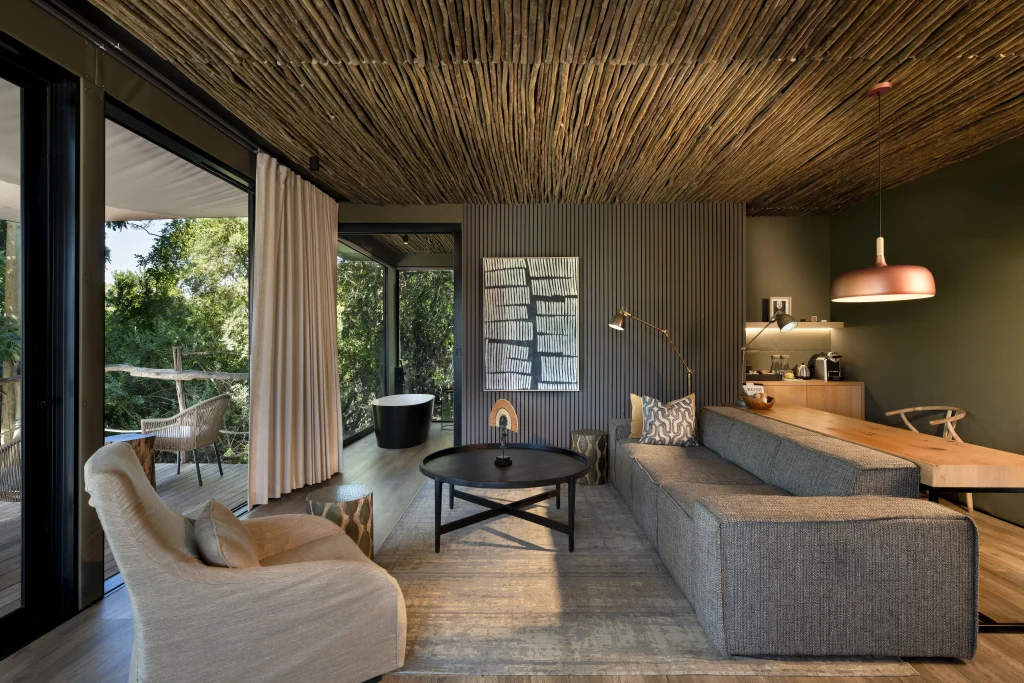
Within South Africa’s Eastern Cape, Shamwari Private Game Reserve approaches safari through a noticeably more relaxed rhythm. Instead of extremely early departures before sunrise, mornings begin later and guests enjoy breakfast before game drives start. The experience immediately feels more comfortable and less rushed. More importantly, the adjusted schedule aligns naturally with wildlife behavior and changing temperatures throughout the day.
The conditions create important advantages. Daytime temperatures generally remain between 19 and 22 degrees Celsius, extending wildlife activity and creating longer viewing opportunities. Lions remain active later into the morning, elephants continue feeding, and species often considered difficult to spot become more visible during daylight hours. The Albany Thicket biome surrounding the reserve also maintains a greener appearance than many safari landscapes elsewhere, creating scenery with greater richness and texture.
The experience itself extends far beyond traditional game drives. Walking safaris, wildlife rehabilitation visits, photography experiences, and conservation programs create additional ways to understand the landscape. South Africa offers something increasingly rare in contemporary travel: unpredictability. No two days follow exactly the same pattern, and no itinerary fully determines what guests may encounter. That unpredictability frequently becomes the most memorable part of the journey itself.