Southern Africa has long occupied a special place inside the imagination of travelers because few regions offer such dramatic contrasts within a single journey. Coastlines give way to vineyards, mountain landscapes transform into open plains, and cities gradually disappear behind some of the world’s most extraordinary wildlife territories. Travel here rarely follows a predictable route. It moves between landscapes, ecosystems, and experiences that seem to belong to entirely different worlds.
South Africa continues strengthening its position as one of the continent’s most significant destinations. According to recent figures published by Statistics South Africa, the country welcomed approximately 8.92 million international tourist arrivals in 2024, recording continued growth and confirming South Africa’s lasting global appeal. The numbers tell only part of the story. The real attraction often begins far beyond airports and arrival gates.
Safari occupies a unique position within travel because it changes the relationship people have with time itself. Cities operate through schedules and urgency. Safari works differently. Hours slow down. Observation becomes more important than movement. Silence suddenly carries meaning.
For many travelers, the first game drive creates a surprising shift in perspective. Expectations often begin with the famous wildlife checklist: lion, elephant, leopard, rhino, buffalo. The so-called Big Five. Yet after several days inside a reserve, attention frequently changes direction.
Behavior becomes more interesting than sightings alone. The movement of elephant herds. The changing hierarchy inside lion prides. A guide stopping unexpectedly because distant bird calls signal nearby predator activity. Safari introduces another form of travel — one built around patience and observation rather than speed.
The activities surrounding the experience have evolved considerably as well. Traditional game drives remain central, though modern reserves increasingly extend experiences through walking safaris, photography excursions, conservation encounters, private guiding, and wildlife rehabilitation visits. The journey no longer revolves exclusively around what guests see. It increasingly depends on what they understand. There is also an emotional element difficult to explain before arrival. Wildlife encounters frequently create a level of presence many travelers rarely experience in ordinary life. Phones disappear. Attention returns. Time stretches.
Interesting, how the most memorable luxury experiences often remove distractions instead of adding more. This conversation naturally leads toward Shamwari Private Game Reserve.
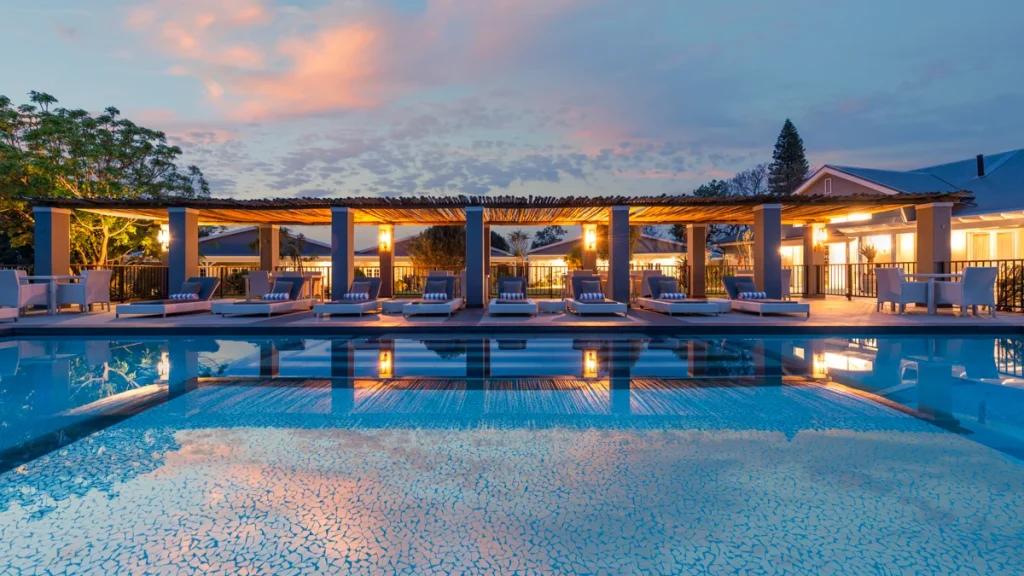
Located within South Africa’s Eastern Cape, Shamwari approaches safari through a noticeably different rhythm. While many safari destinations begin mornings before sunrise, often requiring guests to leave in darkness, Shamwari introduces a slower and more comfortable pace. Breakfast arrives first. Mornings begin later. Wildlife activity adapts naturally to changing temperatures and environmental conditions.
The difference extends beyond comfort itself. During this period of the year, daytime temperatures generally remain between 19 and 22 degrees Celsius, allowing wildlife activity to continue later into the day. Lions remain visible for longer periods, elephants continue feeding, and species frequently hidden elsewhere become more active during daylight hours.
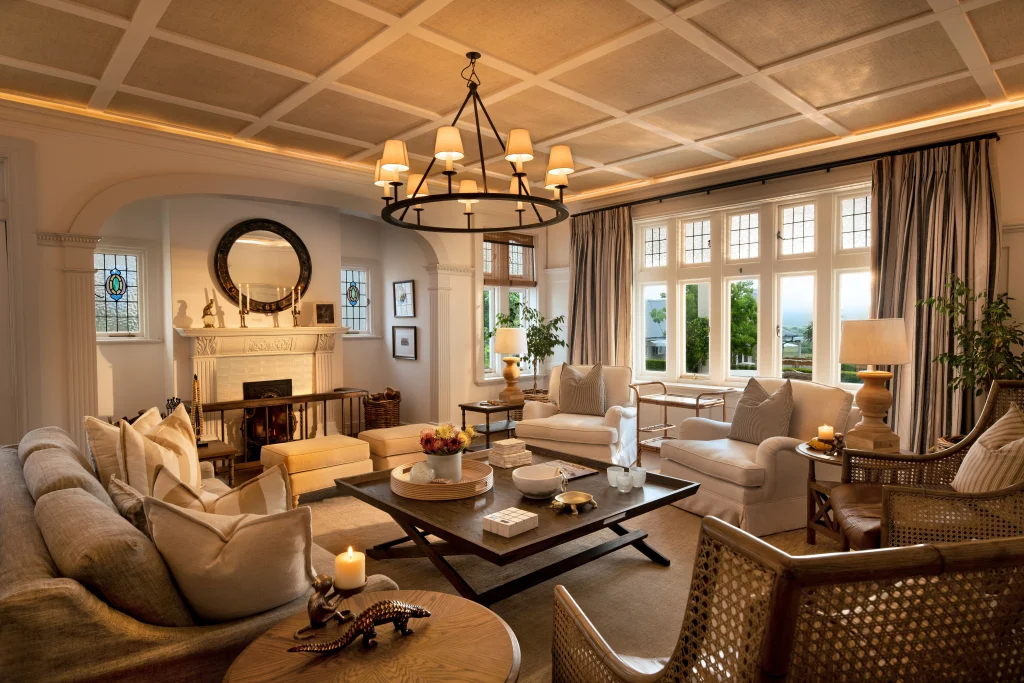
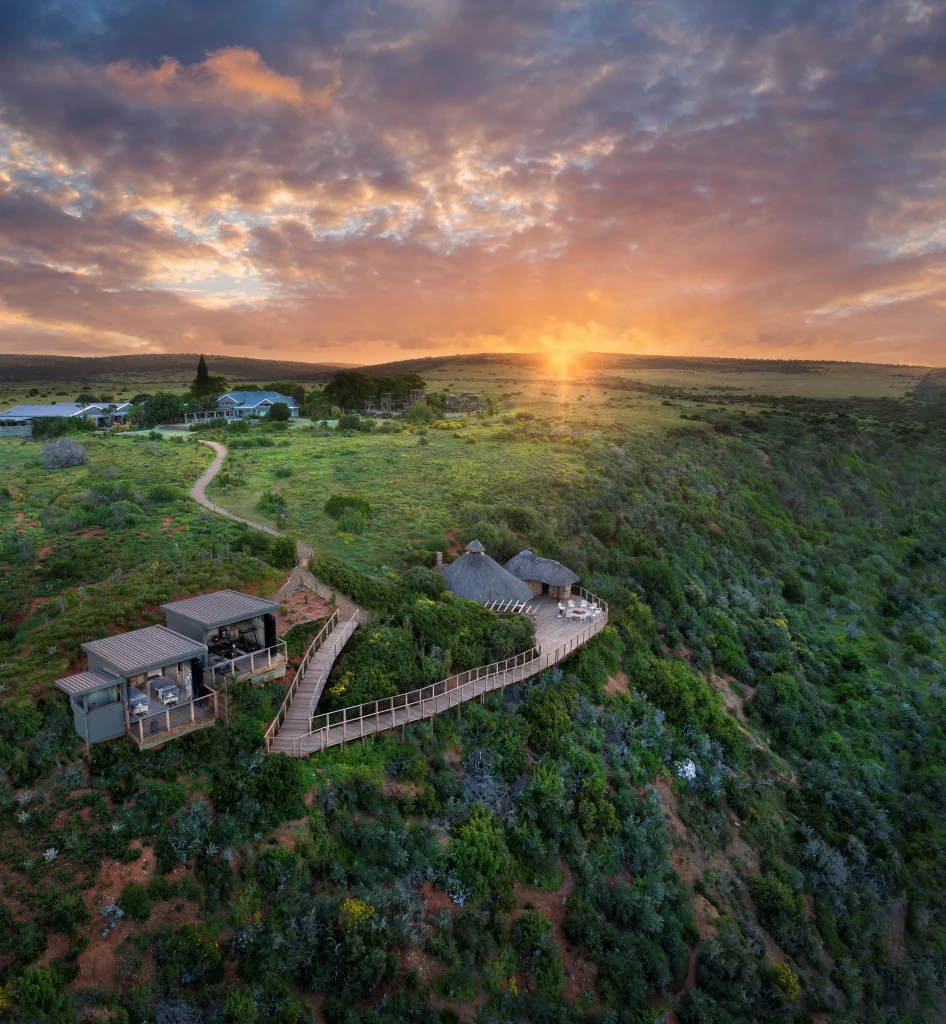
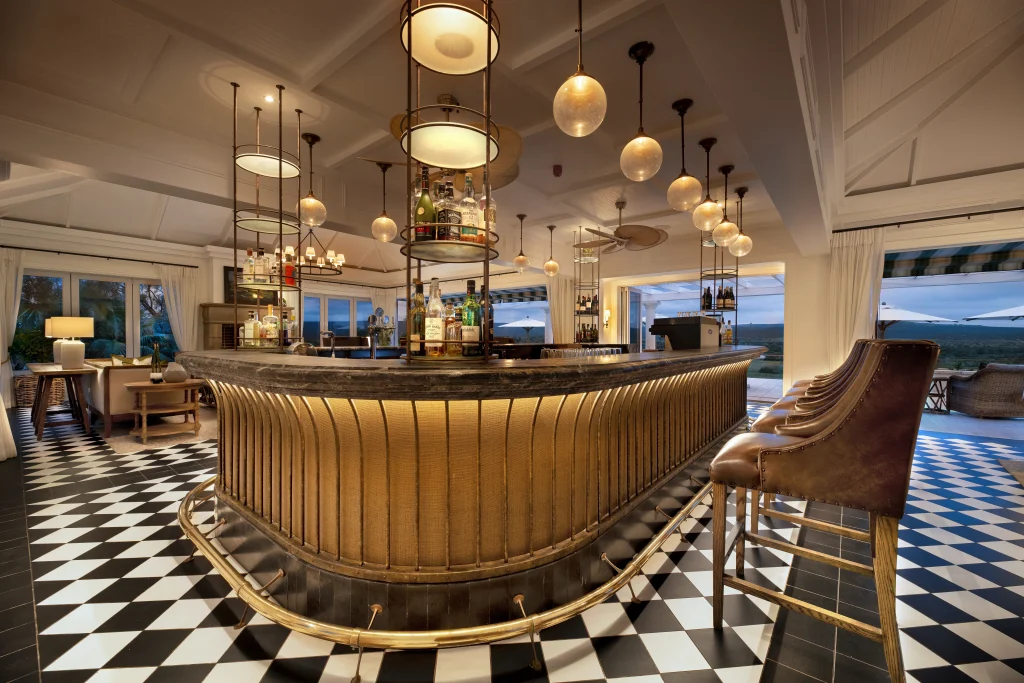
The surrounding landscape introduces another advantage. Shamwari exists within the Albany Thicket biome, an evergreen ecosystem that maintains its rich green appearance while many other safari landscapes further north become noticeably drier. Visibility improves naturally, though the scenery itself retains color and texture.
Families also benefit from another important distinction: Shamwari remains malaria-free throughout the year. The practical advantage removes a common concern for families traveling with children or multigenerational groups. Accessibility changed significantly as well. The Shamwari Air Shuttle now connects directly from Cape Town and Johannesburg to the reserve’s private airstrip, reducing travel time and simplifying arrival.