In a world where screens bring distant lands directly into our living rooms, a fascinating travel trend has taken firm root: Set Jetting. This compelling way of exploring the globe sees travelers packing their bags not just for a change of scenery, but to walk the very paths once trodden by their favorite fictional characters. It is a form of travel inspired by movies and TV shows, where the stories we watch become direct itineraries, guiding us to real-world locations that have played a starring role on screen.
From the sun-drenched shores of Sicily to the bustling streets of Paris, popular culture has become a powerful travel agent. What began as a niche interest for dedicated film buffs has grown into a widespread desire for pop culture travel experiences. People are no longer content with merely watching a story; they want to feel a part of it, to breathe the same air, and to stand in the exact spots where cinematic magic was made. This drive to connect with fictional worlds in tangible places represents a significant shift in how many approach their holiday plans.
The concept of visiting places seen in films is not entirely new. Fans have long sought out famous movie sets or the homes of beloved authors. However, the current wave of set jetting is different. It is fueled by the sheer volume and global reach of streaming services, which place high-quality, aspirational content at our fingertips constantly. A compelling television series or a blockbuster film can now transform an obscure village or a previously overlooked resort into a must-see destination almost overnight. This rapid influence has given rise to distinct film tourism trends, where the connection between screen and travel planning grows ever stronger.
Social media plays a huge part in this phenomenon. A stunning shot of a character against a beautiful backdrop quickly becomes a viral sensation, inspiring countless “save” clicks and future travel aspirations. People share their own visits to these famous spots, creating a cycle of inspiration that keeps the trend moving forward. The wish to recreate a memorable scene, capture a similar photo, or simply soak in the atmosphere of a fictional world brought to life is a strong motivator for many contemporary explorers.
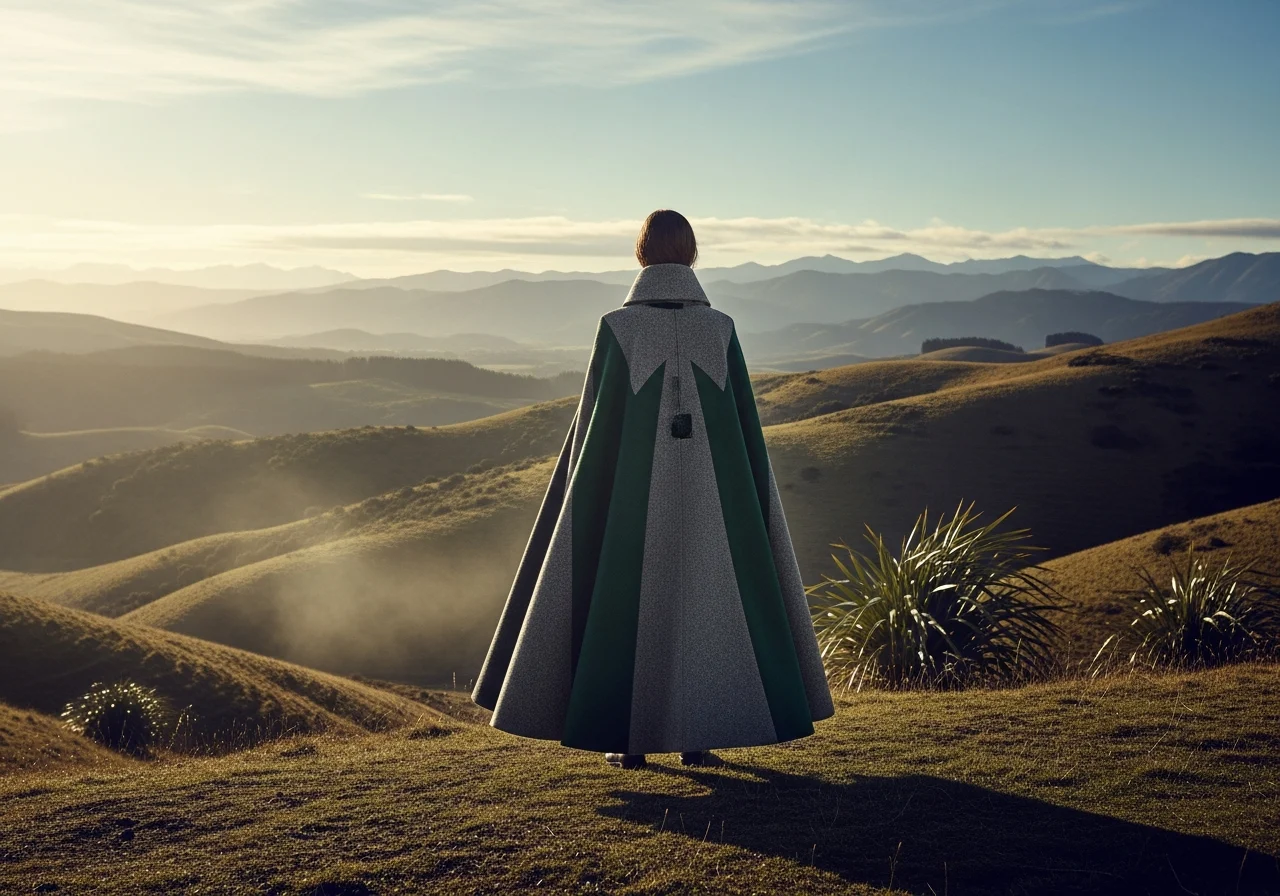
Few shows have had as pronounced an impact on travel as HBO’s The White Lotus. The series, with its luxurious settings and dramatic narratives, has almost single-handedly defined a segment of set jetting. Each season showcases a different high-end resort in a picturesque location, making those specific spots highly desirable for viewers planning their next getaway.
Consider the first season, set in Hawaii. The Four Seasons Resort Maui at Wailea saw a considerable uptick in interest and bookings after the show aired. Guests wanted to experience the hotel’s amenities, the ocean views, and perhaps even a touch of the darkly comedic drama that made the series so compelling. It was a direct translation of on-screen luxury into real-world vacation plans.
Then came the second season, transporting audiences to Sicily. The San Domenico Palace, Taormina, a Four Seasons Hotel, became the focal point for fans hoping to experience the charm and intrigue of the Italian island. Bookings at the hotel reportedly surged, with many guests specifically requesting rooms or experiences that mirrored those seen on the show. These The White Lotus travel destinations became more than just hotels; they became portals into a beloved fictional universe, offering a chance to live out a small part of the story. The series did not just entertain; it provided a visual travel brochure that was impossible to ignore.
While The White Lotus highlights the luxury end of the spectrum, set jetting encompasses a much broader range of experiences. Fans of fantasy epics, historical dramas, and romantic comedies are all finding their own paths to screen-inspired trips.
These examples illustrate how varied travel inspired by movies and TV shows can be, catering to different tastes, budgets, and interests, all united by a desire for a deeper connection to the stories that move us.
Why do these fictional settings hold such a strong appeal that they compel people to travel thousands of miles? Part of the answer lies in our fundamental human desire for connection and storytelling. When we watch a show or movie, we form emotional bonds with characters and their journeys. Visiting the places where these stories took place allows us to extend that connection, to feel closer to the narrative, and to experience a little bit of the magic ourselves.
It is a form of escapism, certainly, but also a search for authenticity. Travelers are not just seeing a pretty place; they are seeing a pretty place with a story attached, a place that has been imbued with meaning by the creative minds behind the screen. This added layer of narrative turns a simple vacation into a pilgrimage, a quest to experience something familiar yet new, a blend of fantasy and reality.
Furthermore, these trips offer excellent opportunities for sharing on social media. Posting a photo from a recognizable film location is a way to tell one’s own story, to show an alignment with popular culture, and to inspire others. It is a way of saying, “I was there, where the magic happened.”
For those keen to embark on their own Set Jetting adventure, a bit of careful thought will help make the trip a success. Start by identifying the specific shows or films that have captured your imagination. Research the actual locations used for filming. Websites and fan communities often have detailed lists of these spots, sometimes even providing exact addresses or coordinates.
Consider the practicalities: how accessible are these locations? What is the best time of year to visit? Are there guided tours available that specialize in film locations? Many destinations have capitalized on this trend by offering specific “film tourism” packages or maps. For example, if you are looking for The White Lotus travel destinations, check the official websites of the hotels featured, as they may offer themed experiences.
Remember to balance your screen-inspired itinerary with other local attractions. While the primary draw might be a particular filming spot, the surrounding area often has its own unique charm, history, and culture worth exploring. This way, your trip becomes richer, offering both the thrill of connecting with fiction and the joy of discovering a new place on its own merits.
The rise of set jetting has considerable economic and cultural implications. For local economies, it can be a significant boon, bringing in tourists who might not have considered visiting otherwise. Hotels, restaurants, tour operators, and local businesses all benefit from the increased foot traffic and spending. This can lead to job creation and a boost in regional prosperity.
Culturally, it can also lead to a renewed appreciation for local heritage and natural beauty. When a location becomes famous through a show, there is often a push to preserve its character and ensure it remains attractive to visitors. However, it also brings challenges, such as potential over-tourism in sensitive areas, requiring careful management by local authorities to maintain balance and respect for the local way of life.
As content creation continues to expand and global distribution becomes even more widespread, the future of set jetting looks bright. The next big series or film is always around the corner, waiting to inspire the next wave of travelers. Virtual reality and augmented reality might even allow for more immersive pre-travel experiences, further whetting appetites for real-world visits.
This method of travel is more than just a passing fad; it is a testament to the enduring power of storytelling and our deep-seated human desire to explore, connect, and experience the world in meaningful ways. It reminds us that sometimes, the most exciting journeys begin not with a map, but with a good story on a screen.
Ultimately, Set Jetting offers a unique lens through which to see the world, inviting us to become participants rather than just observers. It is a compelling invitation to explore the real places that have captured our hearts on film and television, turning fantasy into tangible adventure.