Certain careers become larger than filmographies. They begin through performances but gradually expand into something with broader cultural significance. In Cannes, where cinema repeatedly enters dialogue with society, influence increasingly extends beyond what happens on screen. Recognition today often celebrates not only artistic excellence, but also those individuals helping redefine visibility, representation, and opportunity itself.
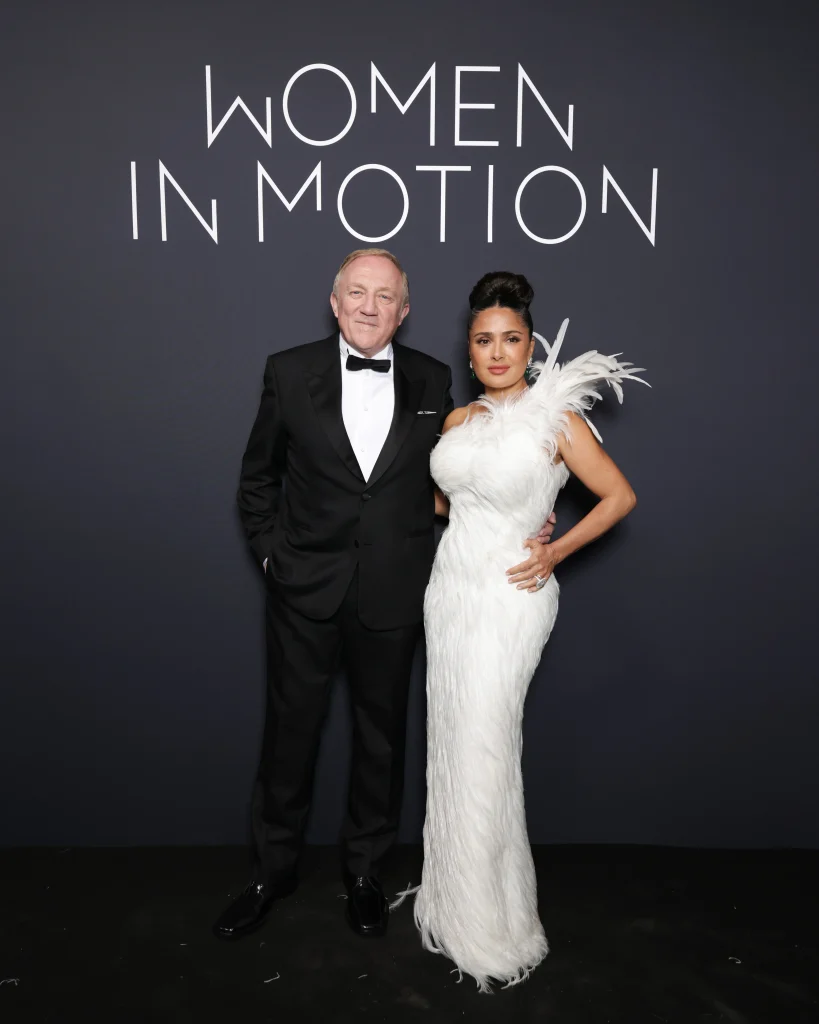
That principle has remained central to the Women In Motion initiative created by Kering in partnership with the Cannes Film Festival. Established in 2015, the program was created with a clear ambition: to highlight women shaping cinema both in front of and behind the camera while creating greater space for dialogue around gender representation throughout the arts. Over the years, the initiative expanded beyond cinema and into other creative disciplines, continuing to support emerging talent while recognizing established voices whose work influenced cultural conversations far beyond their industries.
For 2026, Kering and the Festival de Cannes selected Julianne Moore as the recipient of the Women In Motion Award, honoring not only her artistic achievements but also her continued commitment to representation and advocacy. The recognition feels deeply aligned with a career built around intelligence, complexity, and consistency. Some performers become associated with specific characters. Others become associated with a way of working. Moore belongs firmly in the second category.
Across decades, Julianne Moore established one of the most respected careers of her generation through choices frequently defined by depth rather than predictability. After studying at Boston University, she began building her career through television and independent projects before entering mainstream cinema during the 1990s. International attention expanded through films including Boogie Nights, The End of the Affair, and Far From Heaven, performances that quickly established her reputation for emotional precision and range.
Recognition followed steadily. She received multiple Academy Award nominations before winning the Oscar for Still Alice, where her portrayal of a linguistics professor confronting early-onset Alzheimer’s disease earned extraordinary critical acclaim. Moore also collected Emmy, BAFTA, and Golden Globe recognition across her career, joining a relatively small group of performers whose work received acknowledgment across film and television simultaneously.
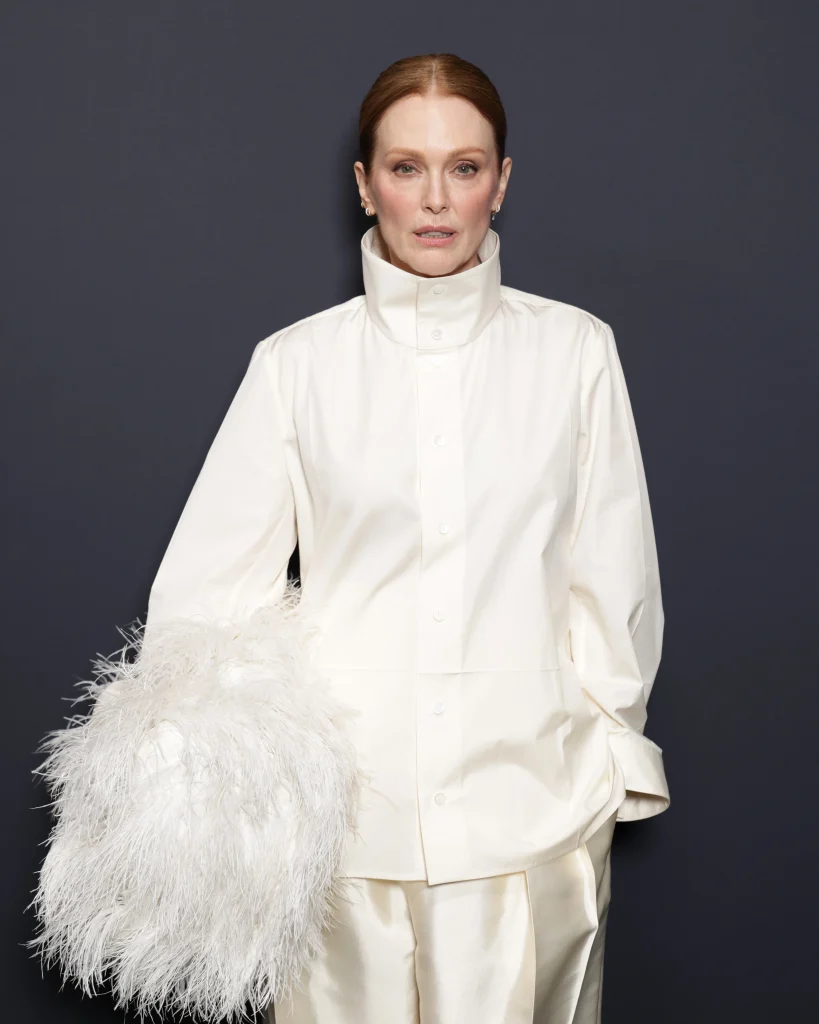
Her career also resisted repetition. Psychological dramas, independent productions, commercial projects, literary adaptations, and socially driven stories all became part of her filmography. Variety itself became one of her strongest characteristics.
Interesting careers rarely follow safe routes. Moore repeatedly selected characters carrying complexity, contradiction, and emotional ambiguity. Strong women. Difficult women. Human women.
Outside cinema, her influence expanded further through social causes and advocacy work. She serves as founding chair of Everytown for Gun Safety’s Creative Council and has remained actively involved in initiatives surrounding equality, representation, and social responsibility.
Photos: Kering by Anthony Ghnassia