In the world of fine jewelry, few materials hold the enduring appeal and prestige of gold. Yet, this precious metal appears in a captivating spectrum of colors, each with its unique character and composition. Beyond the familiar gleam of classic yellow, there’s the sleek sophistication of white gold and the romantic warmth of rose gold. For anyone considering a significant jewelry purchase, understanding the distinctions between these variations is key to making a selection that truly suits their preferences and lifestyle.
This article aims to clarify the science behind gold’s varied appearances, exploring how alloying metals transform pure gold’s natural yellow into distinct shades. We will also examine how these compositions influence the material’s strength, its long-term condition, and the specific care each type requires. By gaining this knowledge, consumers can make well-informed decisions and ensure their cherished pieces remain beautiful for years to come.
The Foundation: Pure Gold and the Art of Alloying
At its core, gold is an element, naturally occurring with a distinct bright, slightly reddish-yellow color. In its purest form, 24-karat gold, it is extraordinarily soft and malleable. While its purity makes it highly prized, this softness renders it impractical for most jewelry items, which require a degree of structural integrity to withstand daily wear. Imagine a ring crafted from pure gold – it would quickly bend, scratch, and lose its shape.
To overcome this limitation and to achieve various colors, gold is combined with other metals, a process known as alloying. These additional metals, called alloys, alter gold’s physical properties, increasing its hardness and durability. They also play the pivotal role in changing its color. The proportion of pure gold in an alloy is measured in karats. For instance, 18-karat gold means 18 parts pure gold out of 24 total parts, or 75% pure gold. 14-karat gold contains 14 parts pure gold, making it 58.3% pure. The remaining percentage comprises the specific alloy metals that give the gold its particular hue and strength. This fundamental principle underpins the creation of yellow, white, and rose gold.
Yellow Gold: The Enduring Classic
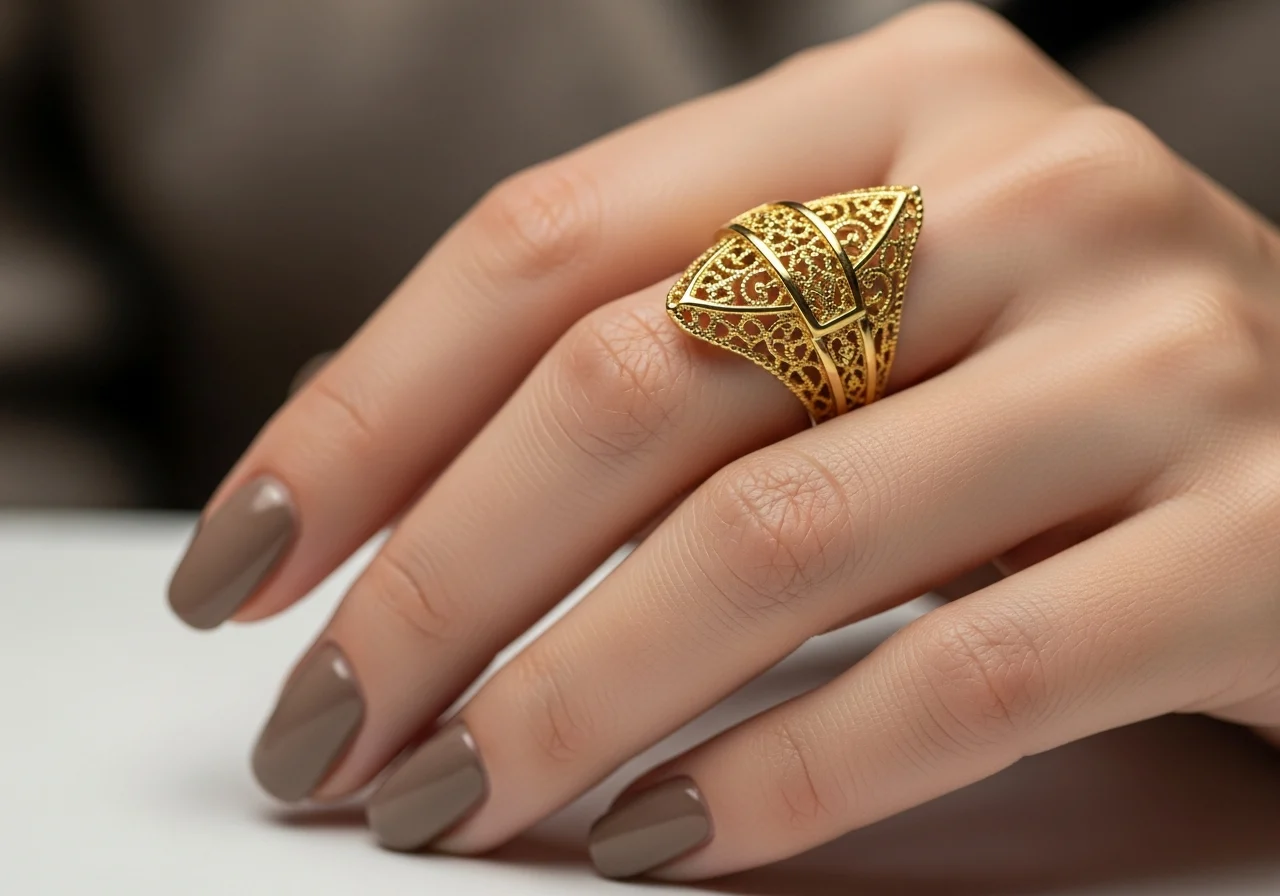
Yellow gold stands as the most traditional and widely recognized form of gold. Its color closely resembles that of pure gold, but its composition is carefully adjusted to enhance its suitability for jewelry. Typically, yellow gold alloys combine pure gold with a mix of silver and copper, sometimes with a touch of zinc. The precise ratios of these metals dictate the final shade of yellow, ranging from a paler, softer yellow to a richer, deeper tone.
Composition: Gold, silver, copper, and sometimes zinc.
Color Origin: The inherent yellow of pure gold is maintained and slightly adjusted by the addition of silver (which lightens it) and copper (which deepens it).
Strength and Wear: Generally considered quite durable for everyday wear, especially in 14K and 18K varieties. It resists tarnishing well. While it can scratch, the scratches tend to be less noticeable than on white gold because the underlying material is the same color.
Aesthetic Appeal: Its warm, radiant appearance complements most skin tones and pairs beautifully with a wide array of gemstones, particularly diamonds, which truly stand out against its golden backdrop.
Maintenance: Yellow gold is relatively low-maintenance. Regular cleaning with mild soap and water is usually sufficient to maintain its luster. It does not require re-plating.
The strength of gold jewelry is a common concern for buyers, and yellow gold typically offers a good balance. Its inherent color means that minor abrasions or wear do not change its appearance significantly, making it a reliable choice for items worn frequently.
White Gold: Modern Elegance
White gold offers a sleek, contemporary aesthetic that has gained considerable popularity, particularly for engagement rings and modern designs. Creating white gold involves alloying pure gold with ‘white’ metals that lighten its natural yellow color. Common alloy metals include palladium, nickel, and silver, sometimes combined with zinc.
Color Origin: The addition of white metals significantly reduces gold’s yellow hue. However, even with these alloys, white gold often retains a faint yellow tint.
The Role of Rhodium Plating: To achieve its bright, silvery-white appearance, nearly all white gold jewelry is coated with a very thin layer of rhodium, a member of the platinum family. This process, known as rhodium plating, gives white gold its distinctive brilliant white finish and adds a layer of protection.
Strength and Wear: The durability of white gold can vary depending on its alloy composition. Nickel-based white gold tends to be very hard, while palladium-based white gold is often more malleable. The rhodium plating, while beautiful, is not permanent. It will gradually wear off over time, especially on areas of high friction like the underside of a ring. When the plating wears, the underlying faint yellow tint of the white gold may become visible.
Aesthetic Appeal: White gold’s cool, silvery tone provides a neutral background that enhances the brilliance and fire of diamonds and other colorless gemstones. Its modern look also pairs well with various colored stones, offering a different visual impact than yellow gold.
Maintenance: Due to the rhodium plating, white gold requires more specific maintenance than yellow gold. To maintain its bright white appearance, white gold jewelry typically needs to be re-plated every 12 to 24 months, depending on wear. This is a standard service offered by jewelers.
For individuals with nickel allergies, it is important to inquire about the specific alloy used, as some white gold formulations contain nickel. Palladium white gold is often a hypoallergenic alternative, though it may carry a higher price point.
Rose Gold: Romantic Warmth
Rose gold, with its distinctive pinkish-red hue, has experienced a resurgence in popularity, offering a romantic and vintage-inspired alternative to traditional gold colors. The secret to its warm tone lies primarily in the generous inclusion of copper in its alloy.
Composition: Gold, copper, and sometimes a small amount of silver.
Color Origin: Copper is responsible for rose gold’s characteristic pinkish-red color. The more copper present in the alloy, the deeper and redder the rose gold will appear. Adding a small amount of silver can soften the pink tone slightly.
Strength and Wear: Rose gold is often considered quite durable due to the presence of copper, which is a strong metal. It is generally resistant to tarnishing, though high copper content might, in very rare circumstances and over very long periods, show slight discoloration, which is easily cleaned. Scratches on rose gold are typically less obvious than on white gold due to the uniform color throughout the material.
Aesthetic Appeal: Its warm, blush tone complements many skin types, adding a touch of softness and romance. It pairs beautifully with both diamonds and colored gemstones, particularly those with warm undertones like rubies, garnets, or morganite. Rose gold also looks stunning when layered with yellow or white gold pieces, creating a striking multi-toned effect.
Maintenance: Rose gold is relatively low-maintenance, similar to yellow gold. It does not require re-plating. Regular cleaning with mild soap and water is sufficient to keep it looking its best.
The distinct character of rose gold makes it a favorite for those seeking something a bit different, a piece that conveys both modernity and a classic sensibility.
Comparing the Trio: Key Differences and Considerations
When choosing between yellow, white, and rose gold, several factors beyond mere aesthetics come into play. Understanding these practical distinctions will help in selecting the ideal gold alloy for a specific piece of jewelry.
1. Color Origin and Consistency
Yellow Gold: Its color is inherent to its alloy and remains consistent throughout the material.
White Gold: Its bright white color is primarily due to rhodium plating, which will eventually wear off, revealing the slightly yellowish base metal.
Rose Gold: Its pinkish hue is inherent to its alloy and is consistent throughout the material, similar to yellow gold.
2. Durability and Long-Term Wear
Yellow Gold: Offers good general durability and maintains its color well over time. Scratches appear as part of the metal, not as a color change.
White Gold: The underlying alloy can be quite strong, but the rhodium plating is susceptible to wear. Regular re-plating is necessary to maintain its bright white appearance, which adds to its long-term maintenance.
Rose Gold: Often considered quite durable due to its copper content. It resists wear and maintains its color well without external plating.
3. Maintenance Requirements
Yellow Gold: Low maintenance; requires only routine cleaning.
White Gold: Higher maintenance due to the need for periodic rhodium re-plating.
Rose Gold: Low maintenance; requires only routine cleaning.
4. Hypoallergenic Properties
Yellow Gold: Generally hypoallergenic, as common allergens like nickel are rarely used in significant amounts.
White Gold: Can be a concern for those with nickel allergies if the alloy contains nickel. Palladium white gold is a good alternative.
Rose Gold: Generally considered hypoallergenic, but individuals with extreme copper sensitivity might react, though this is uncommon.
5. Aesthetic Versatility
Yellow Gold: Classic, warm, enhances the vibrancy of colored gemstones and contrasts well with diamonds.
White Gold: Modern, cool, makes diamonds appear whiter, and works well with cool-toned gemstones.
Rose Gold: Romantic, warm, vintage feel, complements a wide range of skin tones and looks beautiful with both diamonds and colored stones, especially those with warm hues.
Making an Informed Decision
Choosing the right gold color for your jewelry piece involves considering several personal and practical aspects. Think about your personal style, the other jewelry you frequently wear, and your skin tone. Do you prefer a classic aesthetic, a modern look, or something with a touch of vintage charm? Also, consider the specific piece of jewelry. An engagement ring, worn daily, might benefit from a more durable, low-maintenance option, while a special occasion necklace could accommodate different considerations.
For those prioritizing minimal upkeep and a consistent color, yellow or rose gold might be the preferred choice. If a bright, silvery-white look is paramount, and the idea of periodic re-plating does not deter you, white gold is an excellent option. Always inquire about the alloy composition, especially if you have known metal sensitivities.
Caring for Your Gold Jewelry
Regardless of the color, proper care extends the life and beauty of any gold jewelry. Here are some general guidelines:
Regular Cleaning: Use a soft cloth and a solution of mild soap and warm water. Gently scrub with a soft brush (like a toothbrush) to remove dirt and oils. Rinse thoroughly and dry with a lint-free cloth.
Avoid Harsh Chemicals: Remove jewelry before using household cleaners, swimming in chlorinated pools, or applying lotions, perfumes, and hairsprays, as these can dull the metal or, in the case of white gold, accelerate plating wear.
Storage: Store jewelry in a fabric-lined box or soft pouch to prevent scratches and tangles, especially when storing pieces of different gold colors separately to avoid friction.
Professional Check-ups: Have your jewelry professionally inspected by a jeweler periodically. They can check for loose stones, worn prongs, and offer professional cleaning and, for white gold, re-plating services.
Understanding the science behind gold’s diverse appearances empowers consumers to make choices that align with their personal taste and practical needs. Whether drawn to the classic glow of yellow, the sleek appeal of white, or the romantic blush of rose, each type of gold offers its own unique set of characteristics, influencing not only its look but also its strength, required care, and how it will age over time. Armed with this knowledge, selecting a piece of gold jewelry transforms from a simple purchase into a considered investment in lasting beauty.
S.elective Shopping
A considered guide to what matters now — and how it is worn.
By signing up, you confirm acceptance of the User Agreement and acknowledgment of the Privacy Policy.
S.elective speaks in the international language of fashion, tracing the forces and ideas that shape how style moves across cities and cultures. Rare conversations with influential voices meet imagery created by the creative minds defining the present moment. Global. Vibrant. Enduring. Positioned within the industry, resonating far beyond it — a space of clarity, curiosity, and lasting perspective.