The world of horology is always moving, just like the tiny gears within a mechanical timepiece. What once felt like a secretive club, driven by old traditions and whispered insider tips, has transformed. Today, the future of watch collecting is taking on new shapes, heavily influenced by digital watch culture and the thoughtful insights of respected figures. This shift is turning the focus away from simply chasing market highs and towards a deeper appreciation for personal taste, proper size, and a watch’s true condition. For anyone who loves watches, whether a long-time collector or someone just starting out, understanding this evolution is key.
The internet has changed nearly everything, and watch collecting is no exception. Gone are the days when learning about rare movements or specific model variations meant hours spent in dusty libraries or visits to a few specialist dealers. Now, digital watch culture provides an open door to a vast amount of information. Online forums, social media groups, dedicated websites, and video channels have created global communities where enthusiasts can swap stories, share pictures, and discuss the finer points of watchmaking at any hour.
This widespread access to knowledge means new collectors can quickly get up to speed. They can research a watch’s history, understand its technical specifications, and see countless examples before ever making a purchase. This collective wisdom acts as a powerful educational tool, helping individuals develop a more informed perspective. Instead of relying solely on the word of a salesperson, collectors can now tap into a worldwide network of shared experiences and opinions. This level of transparency and information sharing has certainly leveled the playing field, making collecting more approachable for many.
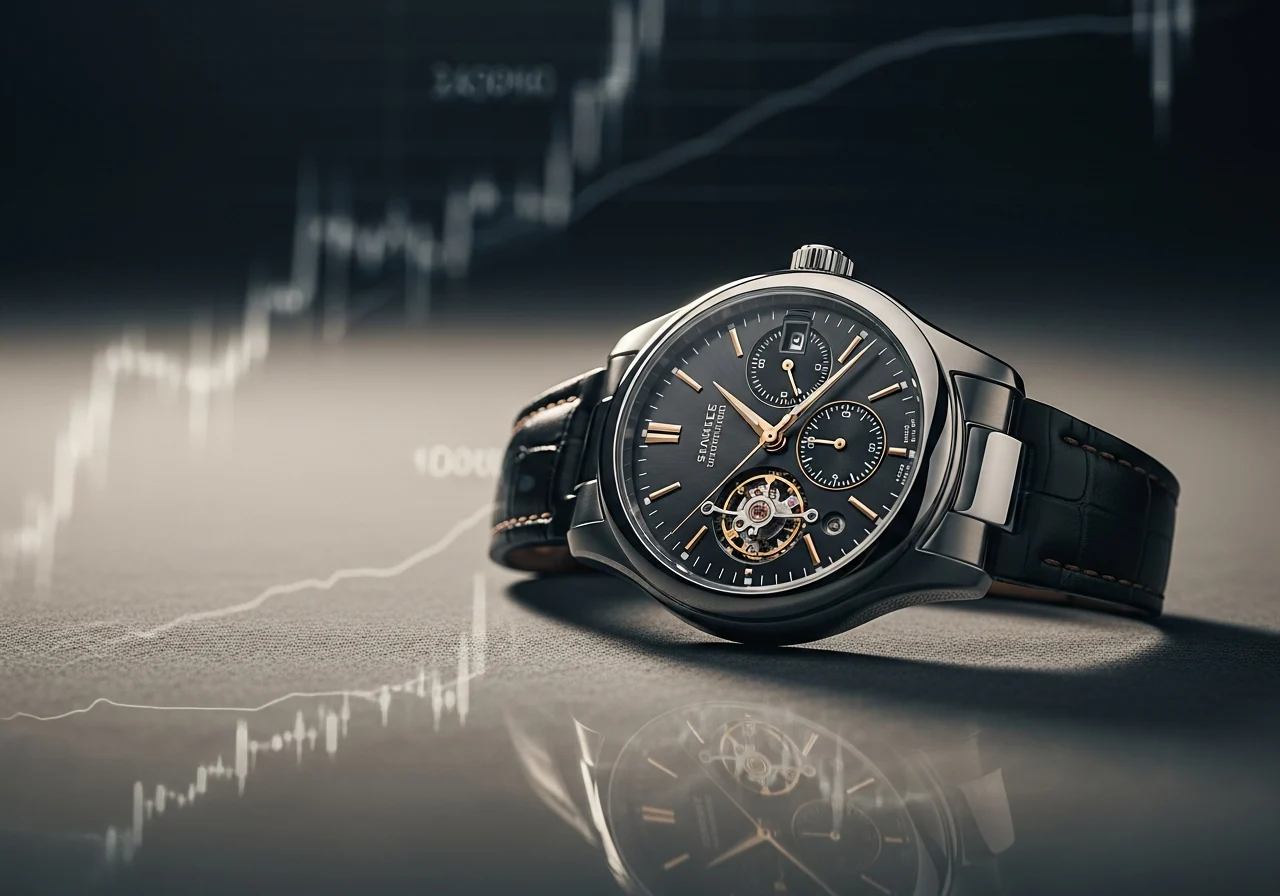
For a while, it seemed the luxury watch market was mostly about speculation. Certain models would become “hot,” prices would shoot up, and many bought watches less for personal enjoyment and more for the idea of a quick profit. This kind of watch market speculation created a frenzy, sometimes pushing genuine enthusiasts out of reach of pieces they truly admired.
However, recent luxury watch market trends suggest a change in direction. There’s a noticeable move away from this purely financial motivation. Collectors, especially those with more experience, are looking past transient fads. They are seeking watches that offer lasting value, not just in terms of money, but in their craftsmanship, historical significance, and design integrity. This means a greater focus on a watch’s provenance – its history of ownership – and its original condition. A watch that has been well-cared for, with its original parts and an honest story, often holds greater appeal than one simply bought at the peak of a price surge.
This more considered approach means that the “value” of a watch is no longer only about its current market price. It also considers the story it tells, the skill involved in its creation, and how well it has stood the test of time. This perspective suggests a healthier, more sustainable way to engage with the hobby.
In this changing landscape, certain expert voices have played a significant role in shaping how people think about watches. One prominent figure is Ben Clymer, the founder of Hodinkee. His work, and the platform he built, helped to bring a sophisticated yet accessible form of watch journalism to a wide audience. Hodinkee didn’t just report on new releases; it delved into the rich history of watchmaking, explored technical innovations, and shared stories that made horology feel alive and relevant.
Ben Clymer and his team often highlighted watches that might have been overlooked by the mainstream, focusing on their design merits, historical importance, and mechanical ingenuity. This approach helped to educate a generation of collectors, showing them that true appreciation often comes from understanding the details and the narrative behind a watch. Their influence helped to steer conversations towards what makes a watch genuinely “good” – not just what makes it expensive or popular for a short time. This emphasis on deep knowledge and a cultivated sense of taste has been very important in moving the watch world beyond simple speculation.
The collectors coming into the hobby today are distinct from those of previous eras. They grew up with the internet, learning and connecting in ways that were impossible before. For this new generation collector, authenticity and personal connection often matter more than chasing the “must-have” piece dictated by market forces. They are curious, often spending considerable time researching and learning before making a purchase.
These collectors frequently turn to digital sources, watch communities, and the insights of trusted experts to inform their decisions. Their collecting philosophy is less about what everyone else is buying and more about what truly resonates with them. They seek out watches that tell a story, represent a particular era, or simply bring them joy on the wrist. This shift signifies a return to the core pleasure of collecting: owning something meaningful and beautiful.
The language of horology is also evolving. While technical jargon will always have its place, there’s a growing desire for clear, engaging explanations that make complex concepts understandable. This helps to make the hobby more inclusive and less intimidating, encouraging more people to discover the wonders of mechanical timepieces.
As the watch world continues to develop, three key elements are becoming increasingly central to informed collecting:
These three pillars encourage a more thoughtful and deliberate approach to collecting, ensuring that each acquisition is a considered choice based on genuine appreciation rather than transient market trends.
The future of watch collecting looks bright for those who value knowledge, authenticity, and personal connection. The influence of digital watch culture has made the hobby more accessible and transparent, while the guidance of expert voices like Ben Clymer has helped to re-emphasize the enduring qualities of good design and craftsmanship. The era of pure watch market speculation appears to be giving way to a more mature approach, where collectors seek out pieces that truly resonate with their individual tastes, fit their wrist well, and are in excellent, original condition.
For the new generation collector, this means a hobby rich with learning and discovery, where personal preference holds sway. The conversation around watches is becoming richer, moving beyond just price tags to explore the artistry, engineering, and stories that make these small machines so captivating. As this evolution continues, watch collecting will likely remain a rewarding pursuit for many years to come.