In the rarefied world of high-end horology, a fascinating shift is taking hold, creating distinct camps among enthusiasts and collectors. We are witnessing a significant
luxury watch market polarization, a splitting of consumer desires and brand strategies that redefines what it means to own a prestigious timepiece. This deep dive will explore the forces driving this separation, from generational inclinations to evolving motivations, and consider how brands are adjusting to this dynamic terrain. It’s a story of heritage meeting modernity, where the past and future of luxury watches are in constant, captivating conversation.
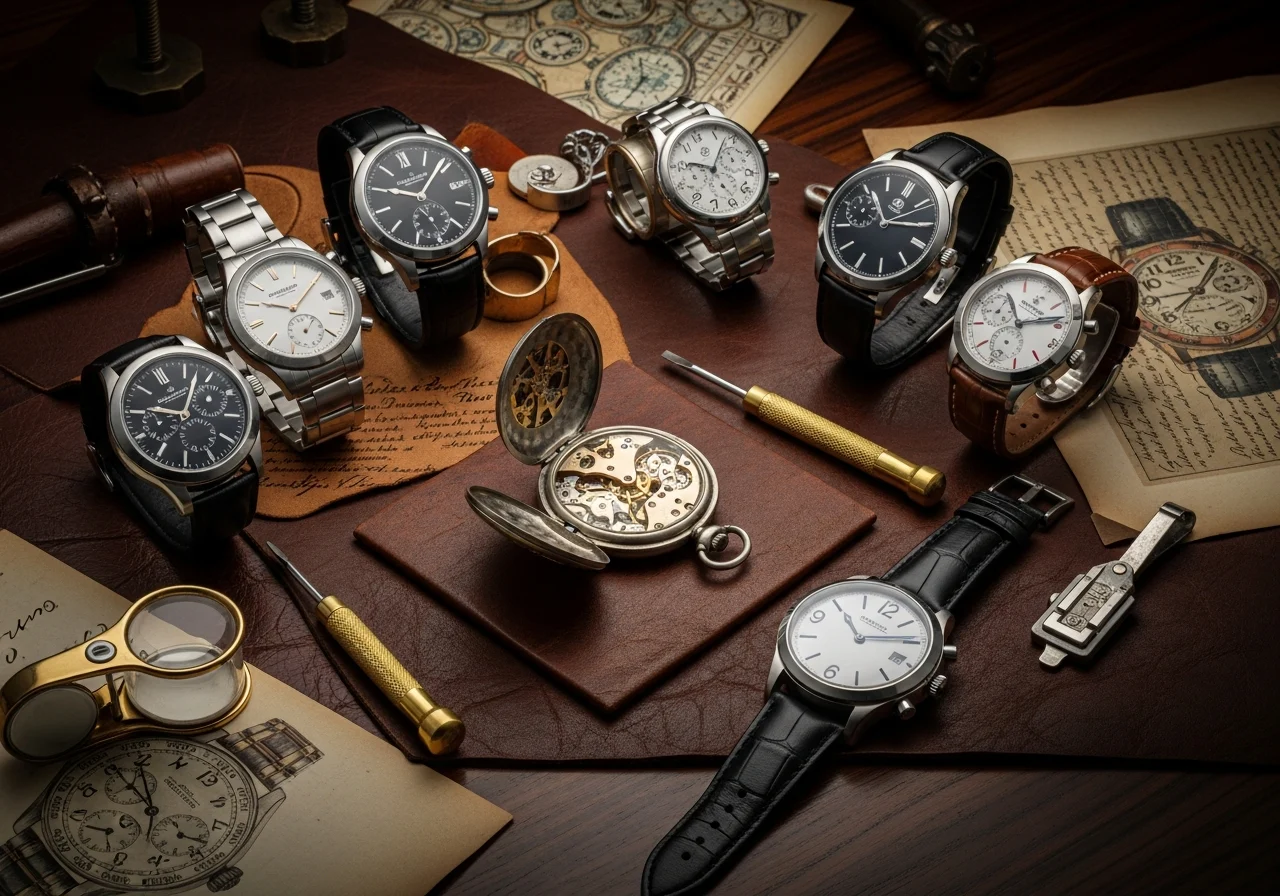
For decades, the path to acquiring a luxury watch was relatively straightforward. Buyers typically sought out brands steeped in history, known for their mechanical prowess, precious materials, and status as enduring heirlooms. The focus was often on heritage, complex mechanisms, and the quiet assurance of a sound investment. However, a different kind of desire has emerged, one that values cultural currency, immediate recognition, and a more personal expression of style. This creates a clear division: on one side, those who cherish tradition and intrinsic value; on the other, those drawn to contemporary relevance and cultural impact.
This market split means that for some, a watch is a private treasure, a marvel of engineering to be appreciated for its internal workings and storied past. For others, it is a public statement, an accessory that confirms their position within a social or cultural group, often influenced by digital trends and celebrity endorsements. This isn’t a simple either/or; rather, it’s a spectrum with two dominant gravitational pulls, influencing everything from design choices to marketing campaigns.
Luxury Watch Consumer Behavior
A significant driver of this market segmentation comes from differing
generational watch buying habits
. Older generations, such as Baby Boomers and many from Generation X, frequently approach watch collecting with a reverence for established norms. Their purchases are often informed by a desire for lasting value, a connection to historical craftsmanship, and the acquisition of pieces that can be passed down through families. They appreciate the subtle cues of quality, the intricate movements, and the prestige associated with centuries-old names. For these buyers, a watch often represents a milestone, a reward for achievement, or a symbol of enduring taste.
Contrast this with Millennials and Generation Z, who approach luxury goods, including watches, through a different lens. While they certainly appreciate quality, their motivations are frequently tied to self-expression, authenticity, and cultural resonance. Social media plays a huge part in their discovery and desire, with “hype” models and limited editions often creating intense demand. These younger consumers might prioritize a watch’s aesthetic appeal, its connection to contemporary fashion, or its perceived exclusivity within a particular subculture. They seek items that tell a story about *them*, not just about the brand’s past. Their purchases are less about a long-term investment strategy and more about immediate satisfaction, personal identity, and fitting into a digitally connected world.
For luxury watch manufacturers, this market split presents a complex challenge. How does a brand, built on decades or even centuries of tradition, remain relevant to a younger, digitally native audience without alienating its established, loyal customer base? The answer lies in a delicate balancing act. Brands must respect their foundational stories and technical prowess while finding ways to speak to new desires and aesthetics. This requires an understanding that different buyers are looking for different things in a high-end timepiece.
Some brands choose to double down on their heritage, emphasizing artisanal techniques and classic designs for a purist audience. Others might launch new collections or collaborations that lean into contemporary trends, aiming for cultural cachet. The most successful brands manage to do both, sometimes with different product lines or distinct marketing messages for various segments. The future of luxury watches hinges on this ability to adapt while staying true to core values. It’s about recognizing that the definition of “luxury” itself is expanding and becoming more varied.
No brand illustrates this strategic tightrope walk better than Patek Philippe. For generations, Patek Philippe has stood as a paragon of traditional haute horlogerie, revered for its intricate complications, meticulous finishing, and a reputation for creating some of the world’s most valuable and sought-after timepieces. Its advertising slogan, “You never actually own a Patek Philippe. You merely look after it for the next generation,” perfectly captured its enduring appeal to collectors focused on legacy and investment. For the traditional buyer, a Patek Philippe represents the pinnacle of watchmaking artistry and a tangible asset that appreciates over time.
However, Patek Philippe has also found itself at the center of the modern “hype watch” phenomenon, particularly with its Nautilus and Aquanaut sports models. These pieces, while rooted in Patek’s design history, have become symbols of contemporary cool and exclusivity, driven by celebrity wearers and intense demand in secondary markets. This unexpected surge in popularity among a newer, often younger demographic has created a fascinating dynamic. On one hand, it has introduced the brand to a wider audience and solidified its cultural relevance. On the other hand, it has created unprecedented waiting lists and secondary market premiums, sometimes frustrating long-term collectors who feel traditional access to the brand has been disrupted.
The
Patek Philippe brand strategy
now involves a careful management of this dual identity. They continue to produce their grand complications and classic dress watches for their established clientele, reaffirming their position as a guardian of horological tradition. Simultaneously, they acknowledge the immense popularity of their sports watches, albeit with controlled production and a clear message about brand values. It’s a challenging balancing act: how to capitalize on new interest without diluting the brand’s exclusivity or alienating the very collectors who built its legend. Their approach involves a commitment to quality and scarcity, allowing the products themselves to dictate much of the market discussion, while subtly influencing perception through communication that respects both their past and present appeal.
The
future of luxury watches
will undoubtedly be shaped by this ongoing market polarization. Brands that succeed will be those capable of understanding and engaging with both the historically-minded collector and the culturally-attuned consumer. This may mean more distinct product lines, tailored marketing approaches, and a greater emphasis on storytelling that resonates with specific buyer motivations. Personalization, digital engagement, and an authentic connection to individual lifestyles will become increasingly important.
We may see brands experiment with new materials, limited collaborations, and digital experiences to capture the attention of younger audiences, while simultaneously reaffirming their commitment to traditional craftsmanship and heritage for their established patrons. The market will likely continue to diversify, offering a wider array of choices that cater to vastly different interpretations of what “luxury” truly means. The days of a single, universally accepted definition of high-end watch appeal are fading, giving way to a more complex, exciting, and segmented landscape.
Ultimately, the splitting of the luxury watch market isn’t a sign of weakness, but rather an evolution. It signifies a broadening appeal and a richer tapestry of motivations driving consumer choice. For enthusiasts and collectors, it means a more diverse and dynamic arena, full of both traditional treasures and exciting new contenders. The high-end watch world is changing, and its journey forward promises to be as intricate and compelling as the mechanisms within the timepieces themselves.