In periods when the global economy seems to be a little wobbly, and consumer spending habits become more cautious, many sectors feel the pinch. Yet, a specific corner of the high-end market consistently demonstrates remarkable fortitude: luxury jewellery. This part of the industry doesn’t just hold its own; it often shines brighter, proving to be a stable choice even when other luxury goods face challenges. What makes a finely crafted ring or a meticulously set necklace such a resilient asset, particularly when compared to other high-end items like fashion accessories? The answers lie in a combination of intrinsic value, lasting appeal, and deep emotional connections that set precious adornments apart.
Recent reports from major players in the luxury world offer compelling evidence. Consider the financial updates from Richemont, the Swiss luxury giant known for its Cartier and Van Cleef & Arpels brands. While other segments of the luxury market might experience fluctuations, Richemont’s jewellery sales have shown impressive strength. These numbers are not just a stroke of luck; they speak to a fundamental truth about what people value when economic prospects are less clear. The company’s consistent performance in this area underscores a broader trend: luxury jewellery is often seen as a safe haven, a beautiful investment that retains its worth and appeal through various economic cycles.
This steady demand suggests that consumers, even those with ample means, are becoming more discerning. They are looking for items that offer more than fleeting style or temporary pleasure. They seek pieces that promise longevity, hold their value, and can be passed down through generations. The confidence placed in brands like those under the Richemont umbrella is a testament to the perceived permanence and quality that jewellery offers, contrasting sharply with items that might depreciate quickly or fall out of style.
To truly grasp the strength of luxury jewellery, it helps to compare it with other segments of the high-end market, particularly fashion. High-end fashion, while exciting and aspirational, is inherently tied to trends, seasons, and the fast-moving currents of design. A designer handbag or a couture garment, however exclusive, can quickly become “last season’s look.” Its value, both monetary and symbolic, often diminishes with time and changing tastes. The joy it provides is often immediate and tied to current aesthetics.
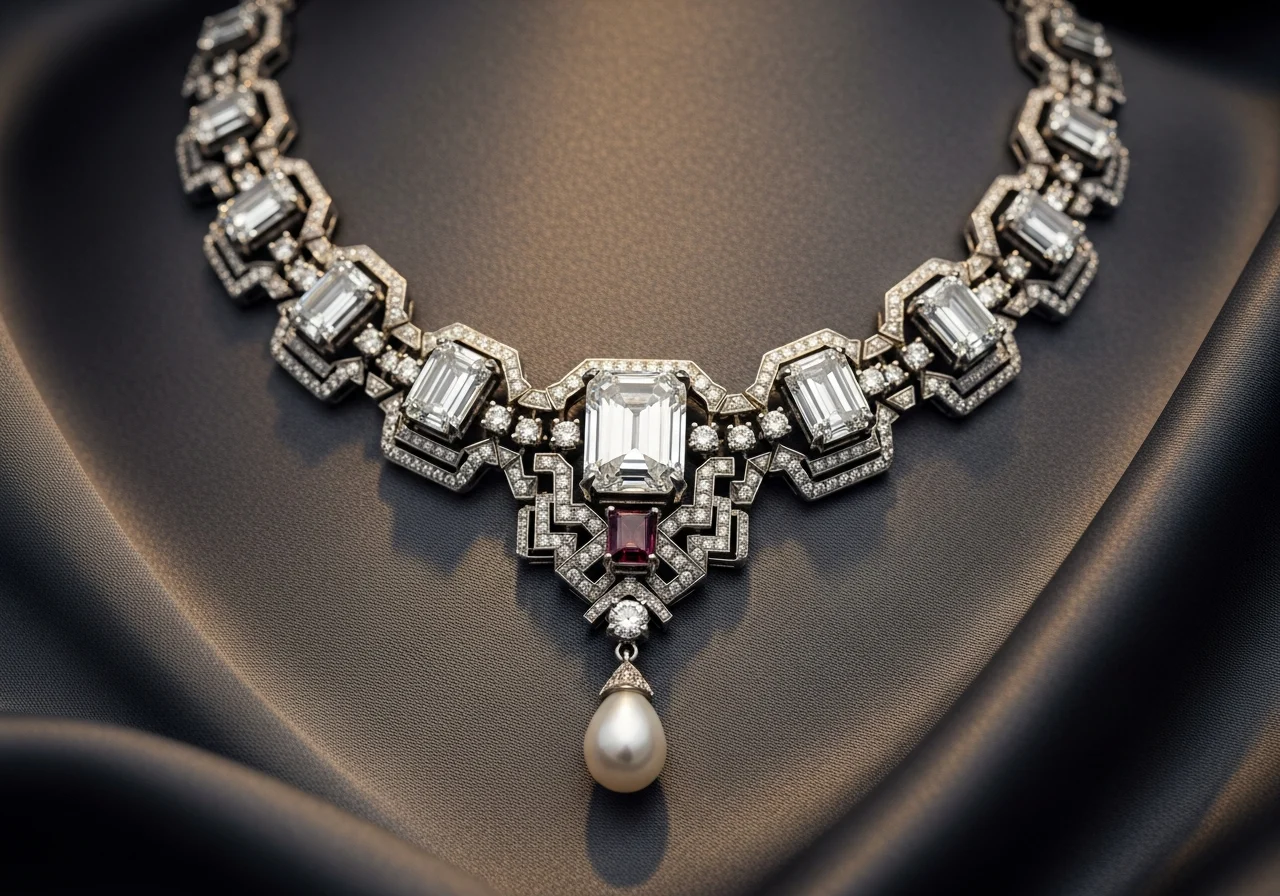
Luxury jewellery, on the other hand, operates on a different plane. It possesses a fundamental material worth derived from precious metals and gemstones. Gold, platinum, diamonds, rubies, emeralds – these are tangible assets with recognized market values that tend to appreciate or at least hold strong over the long term. This intrinsic material value provides a bedrock of stability that fashion items simply cannot replicate. Furthermore, the craftsmanship involved in creating a piece of fine jewellery is often seen as an art form, a skill passed down through generations, adding another layer of enduring value. The appeal of a classic diamond solitaire or a well-made pearl necklace transcends fleeting fads; these items are designed to be relevant and cherished for decades, even centuries.
What truly sets luxury jewellery apart is its profound sense of permanence. These items are crafted to last, often outliving their original owners and becoming cherished family possessions. This idea of an object continuing through time, carrying stories and memories, is central to its appeal. Nicolas Bos, the CEO of Van Cleef & Arpels, has spoken about this very concept, highlighting how jewellery is often bought with the intention of it becoming an heirloom. It’s not merely an accessory for a single occasion; it’s a part of one’s personal history, a tangible link to the past and a gift to the future.
Consider the historical context: jewellery has been a symbol of status, affection, and celebration for millennia. From ancient civilizations to modern times, precious adornments have marked significant life events – engagements, anniversaries, births, achievements. This deep-rooted cultural significance contributes to its enduring relevance. A piece of jewellery connects us to a broader human story, a tradition of marking moments that matter with something beautiful and lasting. This deep connection to heritage and personal history gives jewellery a special place in the luxury market, distinguishing it from items that serve a more transient purpose.
The role of luxury jewellery in gifting trends further illustrates its unique position. When people choose a high-end gift for a truly special occasion, jewellery often comes to mind before almost anything else. Why is this? A piece of jewellery carries a weight of sentiment that few other gifts can match. It is a physical representation of love, commitment, appreciation, or celebration, designed to be kept and cherished, not consumed or discarded. It serves as a constant reminder of the giver and the occasion, creating a lasting emotional imprint.
In an age where experiences are highly valued, a piece of jewellery offers both an experience (the joy of receiving and wearing) and a tangible memory that persists long after the event itself. It’s a gift that says, “This moment matters, and so do you,” in a way that is both personal and public. High-end brands understand this deeply, crafting pieces that are not only beautiful but also imbued with stories and significance, making them ideal vehicles for expressing profound emotions. This makes jewellery a consistently preferred choice for significant gift-giving, even when economic conditions suggest more modest choices.
Beyond its material value and cultural significance, luxury jewellery possesses what might be called “emotional durability.” This refers to the capacity of an object to retain or even gain emotional resonance over time. A piece of jewellery isn’t just an item; it often becomes a vessel for memories, an anchor for personal stories, and a symbol of affection. The scratch on the back of a locket, the slight wear on a ring – these are not imperfections but marks of a life lived, adding character and depth to the object’s meaning.
This emotional connection means that a piece of jewellery often transcends its monetary value for its owner. It becomes irreplaceable, not because of its cost, but because of the feelings and memories attached to it. This personal connection fosters a strong sense of attachment and preservation. People do not easily part with items that hold such deep personal meaning, contributing to their staying power in collections and their eventual status as heirlooms. This emotional resilience is a powerful differentiator, making luxury jewellery less susceptible to market whims and more resistant to depreciation in personal value.
Considering all these points, the sustained strength of the luxury jewellery market, even during cautious economic periods, becomes very clear. It’s a testament to the strategic reasons and intrinsic value that underpin this sector. Richemont’s strong jewellery sales are not an anomaly but a reflection of a deeper trend where consumers seek lasting value, heritage, and emotional connection.
Luxury jewellery offers a tangible store of wealth, a connection to artistry and craftsmanship, and an enduring symbol of personal history and affection. It stands as a testament to permanence, a preferred choice for meaningful gifts, and an object with deep emotional durability. These factors combine to make it a reliable and attractive option, cementing its position as a truly resilient segment within the broader luxury goods industry. As the world continues to shift and change, the quiet strength and lasting beauty of fine jewellery offers a reassuring constant, a reminder that some things are indeed made to last.