In an age where digital displays tell time on every phone, computer, and smart device, a curious question arises: Why do mechanical watches continue to captivate so many? What is it about these intricate machines, powered by springs and gears, that holds such a powerful draw in a world obsessed with instant information and digital convenience? The answer, as it turns out, goes far beyond mere timekeeping. It touches upon our deepest desires for connection, identity, artistry, and lasting value.
For those who appreciate the finer things, a mechanical watch is not simply a gadget; it is a miniature world of precise engineering, a personal statement, and often, a cherished connection to human history and ingenuity. It offers a tangible counterpoint to the fleeting nature of digital experiences, providing a sense of permanence and depth that few other objects can match. This exploration delves into the profound reasons these traditional timepieces maintain their strong grip on our collective imagination, revealing why their relevance is far from diminished.
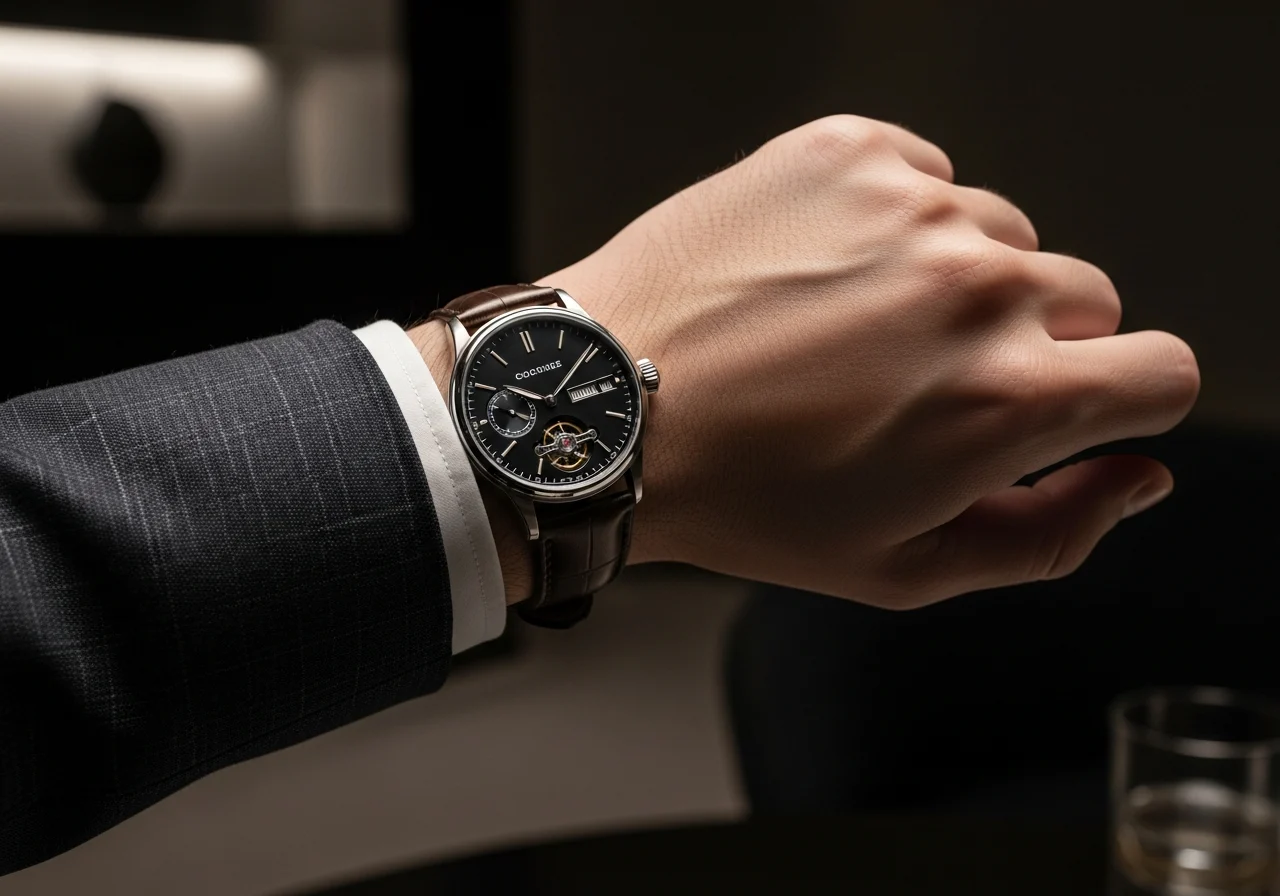
Consider the feeling of strapping on a mechanical watch. It is an experience different from glancing at a phone screen. There is a weight, a presence, and a subtle hum of gears working in harmony. This tangible interaction sparks a profound emotional resonance. A mechanical watch often carries stories; perhaps it was a gift marking a significant life event, a reward for an achievement, or a memento of a loved one. Each scratch, each subtle patina, adds layers to its personal history, transforming it from an object into an artifact rich with meaning.
The attachment people form with their watches is not superficial. It arises from the daily ritual of putting it on, feeling its presence throughout the day, and knowing that a complex mechanism is diligently marking the passage of moments. This continuous, quiet operation fosters a sense of constancy and reliability, qualities often sought in a rapidly changing world. It becomes a quiet companion, a personal anchor in the rush of life, providing a subtle, comforting presence that digital devices, for all their utility, rarely offer. The connection is deeply personal, almost intimate, allowing the wearer to carry a piece of their own story, or the story of someone dear to them, on their wrist.
A mechanical watch speaks volumes without uttering a single word. It serves as a powerful expression of one’s identity, values, and personal aesthetic. The choice of a watch – its style, brand, complications, or even the material of its strap – communicates aspects of the wearer’s personality to the world. Is it a rugged tool watch, suggesting an adventurous spirit? A refined dress watch, hinting at an appreciation for classic elegance? Or perhaps something avant-garde, indicating a taste for innovation and unique design?
Unlike transient fashion trends, a well-chosen mechanical watch often represents a more enduring aspect of self. It is a deliberate selection, a reflection of considered taste and an alignment with particular traditions or modern interpretations of horology. For many, it is a subtle yet potent symbol of who they are, where they have been, and what they aspire to be. It can signify an appreciation for craftsmanship, a respect for history, or simply a personal preference for mechanical beauty over digital utility. This ability to convey identity in such a personal and lasting way is a significant reason for the sustained importance of these timepieces.
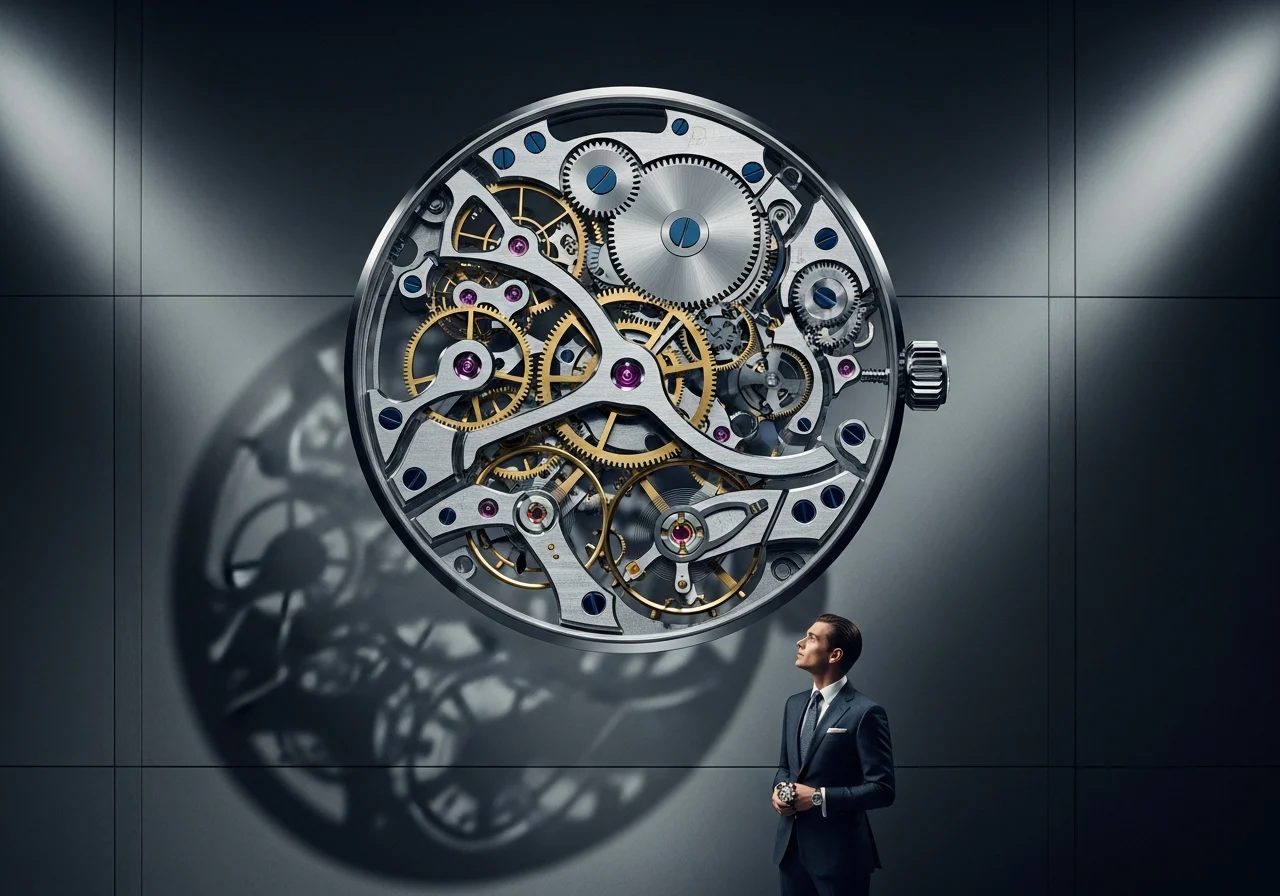
At the very core of a mechanical watch’s lasting appeal lies its incredible engineering and the artistry involved in its creation. These tiny machines are marvels of human ingenuity, composed of hundreds of minuscule parts – gears, springs, levers, and jewels – all working in concert to measure time with impressive accuracy. The skill required to design, manufacture, assemble, and regulate these movements is immense, often passed down through generations of master watchmakers.
Examining the movement through an exhibition case back or even just understanding the complexity operating beneath a solid dial reveals a deep appreciation for human hands and minds. It is a celebration of precision manufacturing, meticulous finishing, and the dedication to creating something truly exceptional. Each component, no matter how small, is often hand-finished, polished, and adjusted to perfection. This commitment to intricate detail and traditional methods stands in stark contrast to mass-produced, disposable electronics. The fact that these machines operate without batteries, relying solely on kinetic energy and the laws of physics, adds another layer of wonder. It is a testament to what human creativity and dedication can achieve, making each watch a small, portable monument to mechanical excellence.
One of the most profound roles a mechanical watch can play is that of an heirloom. Unlike many modern possessions designed for obsolescence, a well-made mechanical watch is built to last for decades, even centuries, with proper care. This inherent durability allows it to transcend its initial purpose and become a vessel for family history and memory. A watch passed down from a grandparent to a grandchild carries with it more than just the ability to tell time; it carries the stories, the triumphs, and the very presence of those who wore it before.
Imagine receiving a watch that belonged to your father, or perhaps an even older relative. Each time you glance at it, you are connected to their past, to the moments they lived, and to the values they held dear. It is a tangible link across generations, a physical representation of continuity and legacy. In a world where so much is digital and intangible, the physical presence of an heirloom watch offers a powerful sense of rootedness and belonging. It is a guardian of family lore, a silent witness to countless moments, and a promise of enduring connection for future generations. This capacity to become a living piece of family history imbues mechanical watches with a significance that digital devices simply cannot replicate.
Few figures in the watch industry have articulated the spiritual and emotional dimensions of mechanical watches as eloquently as Jean-Claude Biver. A legendary leader in horology, Biver’s philosophy extends far beyond business metrics; he speaks of passion, authenticity, and the very soul of a timepiece. For Biver, a mechanical watch is not merely a product; it is an object imbued with life, a creation that carries the energy and spirit of its makers.
He often discusses the importance of the human touch, the imperfections that make each watch unique, and the idea that true luxury resides in rarity, craftsmanship, and the stories behind the object. Biver champions the notion that a watch should evoke emotion, that it should be something one loves and connects with on a deeper level. He believes that in an increasingly digital and virtual world, people will seek out objects that provide a tangible, authentic experience – items that offer a sense of permanence and a connection to human endeavor. His insights reinforce the idea that the enduring appeal of mechanical watches lies in their capacity to provide a profound, humanistic counterpoint to the fleeting nature of modern technology, making them more, not less, relevant in our contemporary lives.
So, why do mechanical watches still matter? Their enduring appeal is a multifaceted phenomenon. It stems from the deep emotional bonds they foster, their role as expressions of personal identity, the celebration of exquisite craftsmanship they represent, and their capacity to become cherished family heirlooms. These timepieces offer a rich, counter-digital experience, a tangible connection to history, artistry, and the human spirit.
In a world saturated with ephemeral digital information, a mechanical watch offers something truly substantial: a physical object of beauty and precision, a keeper of stories, and a silent companion through the passage of time. They remind us that some values, like human ingenuity, personal connection, and lasting quality, remain profoundly significant, making the rhythmic tick of a mechanical watch a timeless testament to enduring relevance.