In a world where economic currents can shift quickly, and consumer preferences often change, one particular segment of the luxury world maintains a remarkably steady course: high jewellery. It’s a fascinating area, where items of extraordinary beauty and immense value seem to possess a special kind of strength against market fluctuations. When people talk about the staying power of luxury goods, high jewellery often stands out, showing a robust character that many other sectors can only dream of. What gives these precious creations such a sturdy foundation? This article will explore the many reasons for the Luxury High Jewellery Market Resilience, looking at the deep skills involved in making these pieces, the significance of the materials, the clever ways brands tell their stories, and the special treatment given to those who purchase them.
Far from being just pretty adornments, these items represent a unique combination of art, sound financial holdings, and cultural importance. They attract discerning buyers who see more than just sparkle; they see lasting value. Even when there’s general caution regarding spending, the appeal of a truly exceptional piece of high jewellery seems to grow, not shrink. Let’s delve into the specific aspects that contribute to this remarkable market strength, examining how each element plays its part in keeping this segment shining.
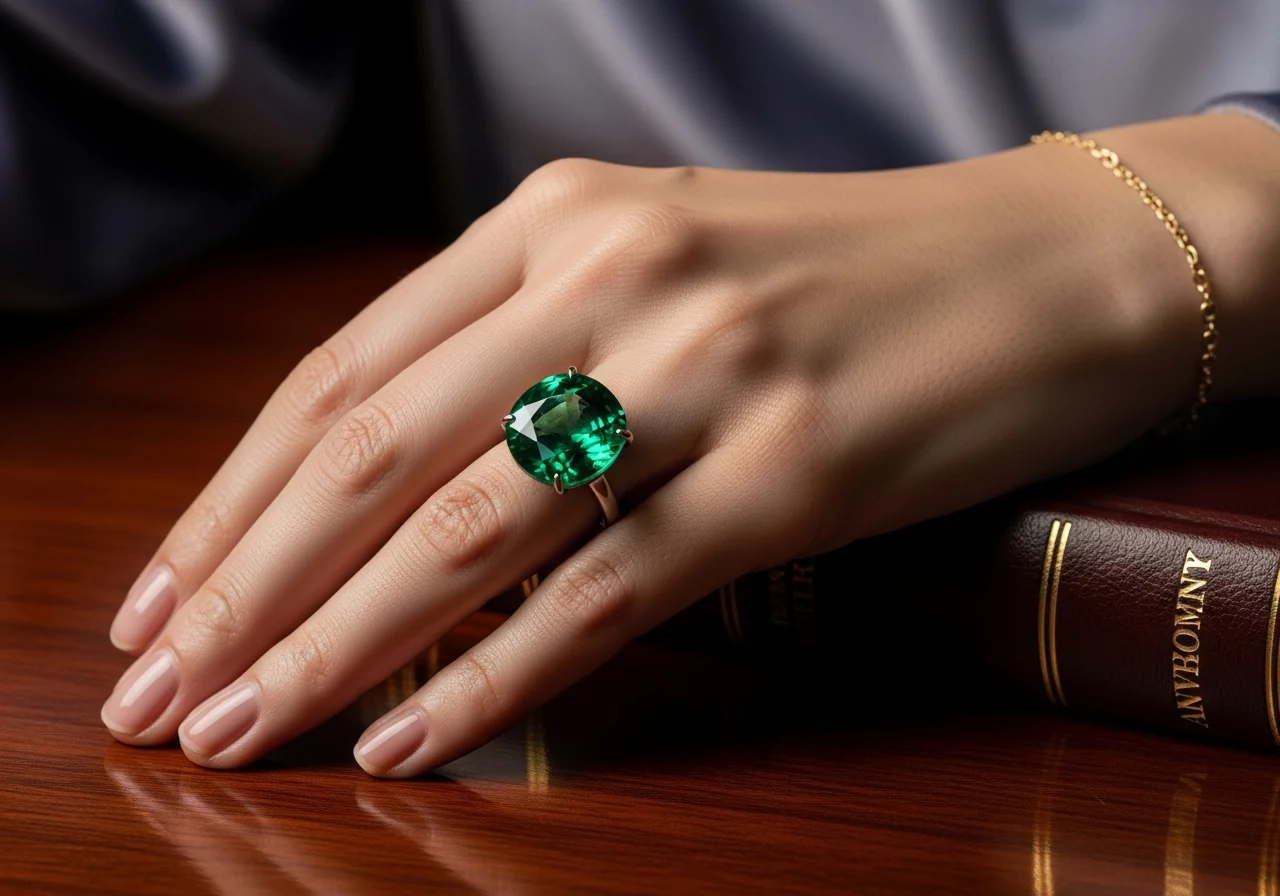
At the heart of every magnificent high jewellery piece is a story of human skill and dedication. The making of these items is a true art form, demanding years of training and a deep understanding of materials and techniques. High jewellery craftsmanship is not about mass production; it’s about individual attention to every facet, every curve, every setting. Artisans spend hundreds, sometimes thousands, of hours shaping precious metals and placing rare stones with extreme precision.
Consider the delicate work involved in shaping a platinum band to hold a diamond, or the intricate filigree that might form the base of a complex necklace. These are often techniques passed down through generations, refined and perfected over centuries. Each stone is examined, and its setting is custom-designed to bring out its best light. The metalwork, too, is a testament to skill, often involving detailed engraving, polishing, and finishing that no machine could replicate with the same sensitivity. The result is an item that feels alive, a small sculpture meant to be worn and admired.
This commitment to excellence means that every piece of high jewellery is unique, carrying the mark of its maker’s hands. It’s this painstaking attention to detail and the preservation of traditional methods that elevate these objects beyond mere accessories. They become works of art, appreciated for their complexity and the sheer talent required to bring them into existence. This deep-seated quality is a fundamental reason why high jewellery holds its value so well; it’s a tangible expression of human artistry that cannot be easily replicated or devalued.
While the beauty of a gemstone is undeniable, its true significance in the high jewellery market often goes much deeper than aesthetics. Rare gemstones investment is a key driver of the sector’s stability. Diamonds, emeralds, rubies, and sapphires, especially those of exceptional size, clarity, and color, are not just pretty rocks; they are tangible assets, often considered a safe haven for wealth, much like fine art or real estate. Their value isn’t purely sentimental; it’s rooted in scarcity and global demand.
Think about a truly large, flawless diamond, or a ruby with a perfect “pigeon’s blood” hue, or an emerald with a deep, rich green from a specific mine. These stones are incredibly difficult to find. Geologists estimate that the earth’s supply of truly high-quality, investment-grade gemstones is limited, and new discoveries of significant deposits are increasingly rare. This inherent scarcity naturally drives up their value over time. As economies fluctuate, the appeal of holding physical assets that retain their worth, and often appreciate, becomes stronger.
Collectors and investors worldwide recognize the long-term appreciation potential of these natural wonders. Unlike currency, which can be affected by inflation, or stocks, which are subject to market volatility, a rare gemstone often maintains its purchasing power, and sometimes even increases it significantly. Ownership of such a stone represents a portable store of wealth, recognized internationally. The history of these stones often adds to their value, with provenance and previous ownership sometimes adding layers of prestige. Thus, when someone acquires a piece of high jewellery featuring a truly exceptional gem, they are not only getting something beautiful but also making a prudent choice regarding their financial portfolio.
Brands play a crucial role in shaping the perception and enduring appeal of high jewellery. A prime example of a brand with a strong, distinct approach is Bulgari. Their Bulgari high jewellery strategy is built upon a rich heritage and a very particular aesthetic that sets them apart. Drawing deeply from its Roman roots, Bulgari crafts pieces that are not merely jewellery but expressions of history and culture.
The brand’s connection to ancient Rome is evident in its designs, which often feature architectural elements, coins, and motifs inspired by classical art. This historical foundation gives their creations a sense of permanence and grandeur. Beyond history, Bulgari is famous for its bold use of color. While many jewellers favor a more subdued palette, Bulgari embraces a joyous, vibrant approach, often combining different colored gemstones in striking and unexpected ways. This “coloratura” style, as it’s sometimes called, creates pieces that are immediately recognizable and full of life. They often employ cabochon cuts, which emphasize the stone’s color and volume over its sparkle, giving their jewels a distinctive, sculptural quality.
This clear brand identity and consistent design language do more than just make pretty objects; they construct a powerful narrative. When someone buys a Bulgari high jewellery piece, they are acquiring a piece of that narrative – a connection to Roman artistry, a celebration of color, and an item that speaks of confidence and individuality. This strategic storytelling and unwavering commitment to a unique design philosophy create strong brand loyalty and contribute significantly to the perceived and actual value of their pieces, making them highly desirable and sought after in the market, even during cautious economic times.
The purchase of high jewellery is rarely a transactional event; it is a carefully curated experience, designed to be as special as the object itself. The luxury client experience high jewellery is a critical component of the market’s resilience, transforming a mere acquisition into a significant life event. This is where brands truly differentiate themselves, offering a level of personal attention and theatrical presentation that goes far beyond typical retail.
Imagine being invited to a private viewing, perhaps in a discreet salon, where only a few select pieces are presented. The atmosphere is calm, the lighting perfect, and a dedicated expert guides you through the collection. This might involve discussing the history of a particular gem, the skills of the artisan who made the setting, or the inspiration behind a design. It’s an intimate conversation, not a sales pitch. Brands often create bespoke services, allowing clients to be involved in the design process, choosing specific stones or customizing elements to create something truly personal and one-of-a-kind.
These experiences often extend to exclusive events, private dinners, or special trips related to the brand’s heritage or new collections. The goal is to build a relationship, to make the client feel valued and part of an exclusive circle. This attention to personal detail, the creation of a sense of occasion, and the provision of tailored advice mean that buying high jewellery is about more than just the item; it’s about the entire process, the story, and the connection forged with the brand. This heightened level of service and personal connection adds immense perceived value to the purchase, ensuring that clients not only feel satisfied but also develop a deep loyalty, reinforcing the market’s stability.
The strength of the Luxury High Jewellery Market Resilience is a multifaceted phenomenon, built upon pillars that are both tangible and intangible. It rests on the extraordinary skill of high jewellery craftsmanship, where human hands create objects of lasting beauty and intricate detail. It is supported by the inherent value and scarcity of rare gemstones investment, which act as robust stores of wealth. Strategic brand narratives, as exemplified by the unique Bulgari high jewellery strategy with its Roman legacy and bold color choices, create desire and a sense of identity.
Finally, the deeply personalized and exclusive luxury client experience high jewellery transforms a purchase into a memorable event, fostering loyalty and a connection that goes beyond mere commerce. These elements together form a powerful combination, elevating high jewellery from a simple luxury item to a realm where art, finance, and personal stories meet. This special status ensures its enduring appeal and its ability to maintain a strong presence, regardless of the economic winds. High jewellery is not merely surviving; it is flourishing, a testament to its unique place in the world of luxury and value.