For centuries, the diamond has stood as a powerful symbol of love, commitment, and enduring beauty. From ancient lore to modern proposals, its glow has marked life’s most significant moments. But today, the world of these precious stones is seeing a significant shift. Buyers now face a choice between diamonds formed deep within the Earth over billions of years and those created in advanced laboratories in a matter of weeks. This presents a fascinating discussion regarding the natural vs lab-grown diamond market, illustrating how different origins lead to different buyer considerations and industry paths.
The conversation around diamonds is no longer simple. It involves a careful weighing of tradition against innovation, perceived worth against tangible cost, and the deep emotional connections people form with these items. This article explores the distinct paths these two types of diamonds are taking, looking at what drives their popularity and how they are shaping the future of jewelry sales.
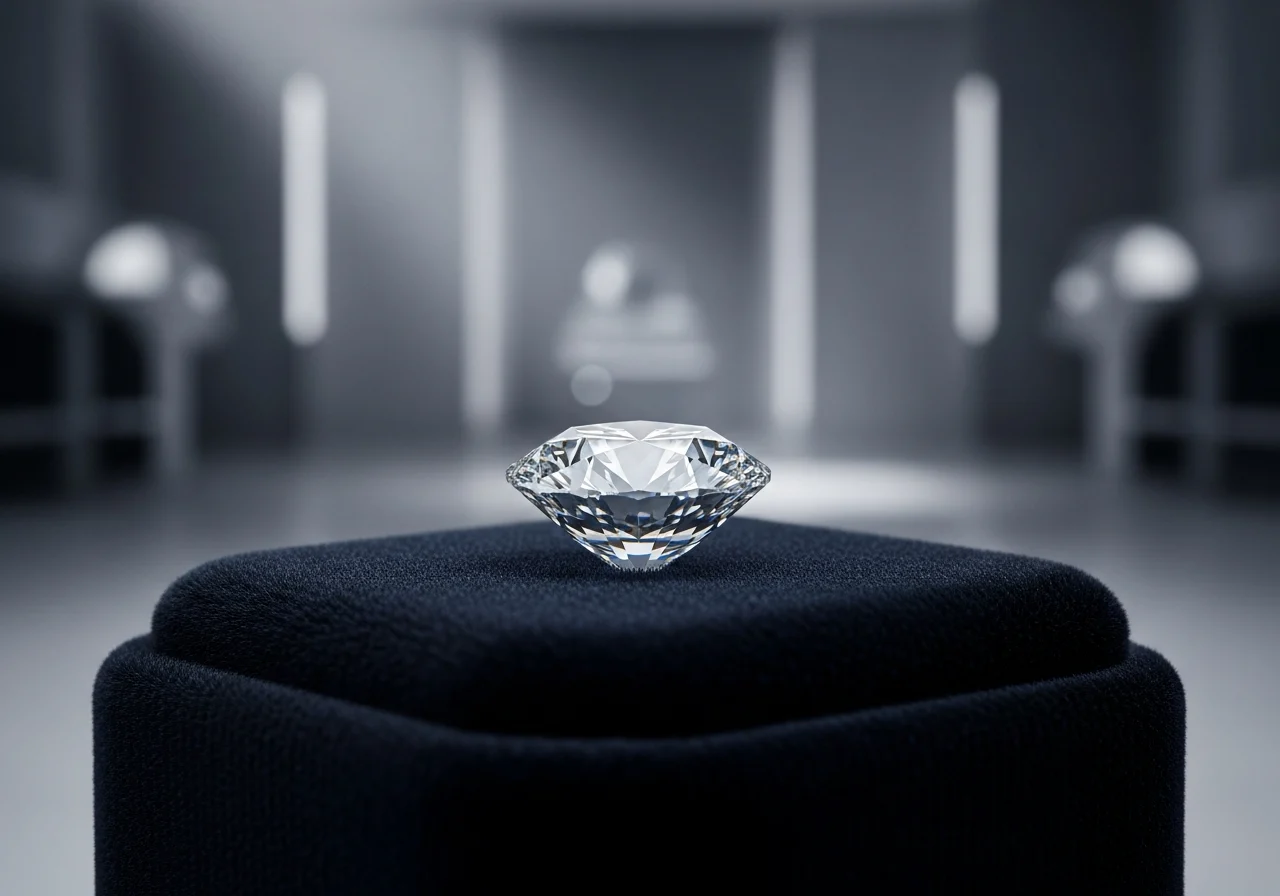
For a very long time, natural diamonds held a singular place in people’s hearts and minds. These stones, pulled from deep below the Earth’s surface, carry with them stories of geological time, incredible pressure, and a rarity that cannot be manufactured. The process of finding, extracting, and preparing these diamonds for sale is a complex and often difficult one, contributing to their perceived worth.
The concept of natural diamond value is multifaceted. It’s tied to their scarcity, the effort involved in their recovery, and a long history of cultural importance. Many people view natural diamonds as an heirloom, something to be passed down through generations, carrying with it memories and family history. This sense of legacy and the idea of owning a piece of ancient Earth contribute greatly to their appeal. For many, the idea of a diamond being truly “one of a kind” because of its natural formation process holds significant sway, making it the preferred choice for major life events like engagements and anniversaries. The traditional market has long relied on this deep-seated emotional connection, where the stone’s origin story is as important as its sparkle.
While discussions about ethical sourcing and environmental impact have challenged the natural diamond industry, many companies have made considerable strides in transparency and responsible practices. For a segment of buyers, the authenticity of a natural diamond, knowing it came from the Earth, remains a key factor in their purchasing decisions, underpinning its enduring market position.
In stark contrast to their natural counterparts, lab-grown diamonds are products of human ingenuity. Created using sophisticated technology that mimics the Earth’s natural diamond-forming conditions, these stones are chemically, physically, and optically identical to mined diamonds. The primary difference lies in their origin: one from the ground, the other from a laboratory.
The emergence of lab-grown diamonds has introduced a compelling new option for consumers. Their production process allows for greater control over quality and, perhaps most importantly, offers a significantly more accessible price point. This affordability has been a major driver in the rapid expansion of their presence in the market. Buyers can often acquire a larger, higher-quality lab-grown diamond for the same cost as a smaller, lower-grade natural diamond.
The impact on the market is clear: the lab-grown diamond market share has been steadily climbing. Reports indicate substantial year-over-year growth, particularly among younger consumers who are often more open to new technologies and prioritize ethical and environmental considerations. Lab-grown diamonds are often marketed as “conflict-free” and having a smaller environmental footprint compared to mining, appealing to a socially conscious demographic. This combination of lower cost and perceived ethical benefits has made them a very attractive alternative, especially for engagement rings and fashion jewelry.
This growth is not just a passing fad; it represents a significant structural change in the overall diamond trade. As technology advances, the quality and variety of lab-grown diamonds continue to improve, further solidifying their place as a serious contender in the jewelry world.
The existence of both natural and lab-grown diamonds has created a fascinating split in the overall jewelry industry. It’s no longer a single, unified market, but rather two distinct segments, each with its own set of drivers and consumer base. Observing current diamond market trends reveals a clear separation in how these products are valued and sold.
For natural diamonds, the emphasis remains on rarity, heritage, and the idea of a lasting asset. While not traditionally considered an investment in the same way as gold or real estate, natural diamonds have historically held their value relatively well, especially larger, high-quality stones. The industry is working to reinforce this perception of enduring worth and emotional significance, often positioning natural diamonds as unique treasures that connect us to the Earth’s ancient past.
Lab-grown diamonds, on the other hand, compete primarily on price, size, and ethical considerations. Their value proposition is centered around offering beautiful, authentic diamonds without the premium associated with natural scarcity or the historical baggage of mining. As production methods become more efficient, prices for lab-grown diamonds are likely to continue their downward trajectory, making them even more accessible. This trend suggests that lab-grown diamonds might become more akin to a consumer good, purchased for immediate enjoyment and aesthetic appeal, rather than as an heirloom or a store of value.
The industry is seeing a clear segmentation of buyers. Some individuals will always prefer the perceived authenticity and deep history of a natural diamond, regardless of cost. Others will prioritize the practical advantages of lab-grown options – affordability, size, and a clear conscience regarding origin. Jewelers are adapting by offering both types, often educating customers on the differences and allowing them to make choices based on their personal priorities and budgets.
Understanding the decision-making process behind choosing between a natural and a lab-grown diamond means looking at both emotional and economic factors. These two categories of drivers often pull consumers in different directions, creating a dynamic marketplace.
The choice often comes down to which of these drivers holds more sway for an individual buyer. Is it the deep, historical connection and scarcity, or the modern practicality, affordability, and ethical peace of mind?
Looking ahead, it seems unlikely that one type of diamond will completely replace the other. Instead, the natural vs lab-grown diamond market appears poised for continued coexistence, catering to different segments of buyers with distinct preferences and values. The industry is adapting, with major retailers and brands now offering both options, recognizing that consumer desires are diverse.
The natural diamond industry is likely to continue emphasizing the story of origin, the rarity, and the heritage of their stones, working to differentiate them as true natural wonders. Campaigns will likely focus on the emotional depth and lasting significance that only an Earth-mined diamond can supposedly provide. For them, the message is about the profound connection to nature and history.
Conversely, the lab-grown diamond sector will probably continue to innovate, potentially bringing down costs further and expanding the variety of available cuts and colors. Their messaging will center on accessibility, modern ethics, and the ability to obtain a brilliant, real diamond without the traditional premium. For them, the message is about intelligent consumption and contemporary values.
Ultimately, the power rests with the consumer. As more information becomes available and perceptions evolve, individuals will make choices that best align with their personal beliefs, budgets, and the meaning they wish to attach to their precious purchases. The diamond world is certainly becoming more varied, offering more options than ever before, and that’s an exciting development for anyone looking for a little sparkle.