The world of high-end adornment is currently experiencing a fascinating transformation. With the cost of gold reaching unprecedented levels, creators of luxury jewelry face a distinct challenge: how to maintain their reputation for opulence and artistry while also making smart choices about materials. It’s a situation that calls for cleverness and vision, prompting a significant shift in luxury jewelry design trends. This period is witnessing designers creating items that offer significant worth and visual appeal, even as the global gold market impact on the jewelry industry becomes more pronounced.
Far from signaling a reduction in splendor, these changes point to a more considered and intelligent approach to creation. Designers are not simply reacting to market forces; they are actively shaping a new definition of luxury, one that prioritizes ingenuity, structural brilliance, and a deeper connection to the wearer. This article delves into how leading names in the field are addressing these economic realities, focusing on sophisticated luxury jewelry design trends and exploring the strategies that allow them to continue crafting highly desired pieces.
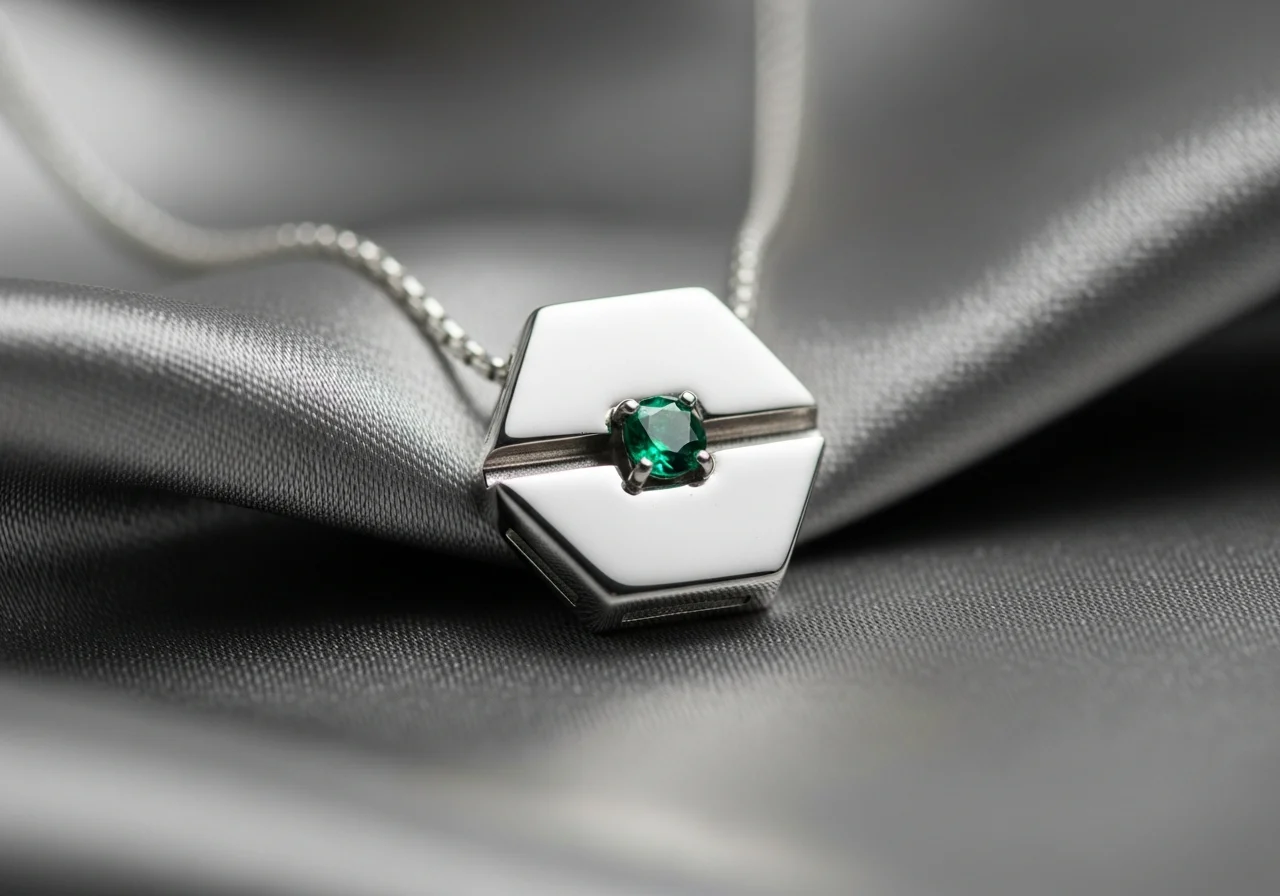
For centuries, gold has stood as the quintessential material for fine jewelry, prized for its rarity, luster, and symbolic meaning. However, recent economic shifts have pushed the price of this precious metal skyward. Factors such as geopolitical uncertainties, inflation concerns, and increased demand from various sectors have contributed to this sustained rise. For the jewelry sector, this means the cost of raw materials for production has climbed considerably, directly influencing retail prices and potentially altering consumer expectations.
This economic pressure isn’t a deterrent for the most innovative designers; instead, it acts as a catalyst for creative problem-solving. It compels them to look beyond sheer material weight as the sole indicator of value. Instead, the focus shifts to the intellectual capital embedded in each piece: the originality of the concept, the complexity of the craftsmanship, and the emotional resonance it carries. This period marks a pivotal moment where the true measure of luxury jewelry design trends gold price relationships are being redefined.
The concept of value-driven jewelry design is gaining significant traction. It’s a philosophy that acknowledges the financial considerations of both the creator and the consumer, without compromising on artistic merit or the sense of specialness. This approach involves several key strategies:
One of the most compelling examples of this new era in luxury adornment comes from Gaia Repossi, the creative director of the renowned House of Repossi. Her Gaia Repossi design philosophy has consistently challenged traditional notions of high jewelry, focusing instead on architectural jewelry trends and a strikingly modern aesthetic. Her work is a prime illustration of how to create extraordinary pieces with a thoughtful approach to material use.
Repossi’s designs are frequently characterized by their apparent lightness and structural complexity. She often creates open, airy forms that appear to float on the skin, using delicate lines and geometric precision. This approach to lightweight luxury jewelry design is not a compromise; it is a deliberate artistic choice. By employing slender bands, negative space, and innovative constructions, she achieves a powerful visual presence with a reduced material footprint. Her pieces might feature multiple thin gold lines instead of a single thick band, creating an intriguing play of light and shadow that feels substantial without being heavy.
Her collections, such as the Berbere and Antifer lines, exemplify architectural jewelry trends. They draw inspiration from modern art and brutalist architecture, resulting in clean, almost sculptural forms that are both striking and understated. The brilliance of her method lies in how these designs feel utterly luxurious and highly desirable, proving that true value stems from the idea and execution, not just the sheer volume of precious metal. Her work is a testament to how creative thought can address the pressures of the gold market impact on jewelry industry by focusing on sophisticated luxury jewelry design trends.
Another prominent strategy emerging in response to the high cost of gold is the rise of mixed material jewelry innovation. Historically, luxury jewelry often meant a single precious metal paired with gemstones. Today, designers are exploring a wider palette of materials, integrating them in ways that enhance both aesthetics and perceived value.
This does not mean a downgrade; rather, it signifies an expansion of creative possibilities. Elements like ceramics, titanium, carbon fiber, wood, and even industrial-grade steel are finding their way into high jewelry pieces, often alongside gold and diamonds. The skill lies in the harmonious combination of these diverse materials, where each component plays a specific role in the overall design. For instance, a piece might feature a lightweight titanium frame providing structural support and a contrasting color, with delicate gold details and diamonds providing the traditional sparkle.
This trend allows designers to achieve unique textures, colors, and forms that would be difficult or impossible with gold alone. It also opens up new avenues for expressing contemporary aesthetics, appealing to a clientele that appreciates uniqueness and a departure from convention. Mixed material jewelry innovation demonstrates that luxury is increasingly defined by originality and artistic vision, rather than simply the intrinsic value of its constituent parts.
The current climate, marked by high gold prices, is not a limitation but an exciting period of reinvention for the luxury jewelry sector. Designers are proving that true opulence is not about extravagance in quantity, but brilliance in conception and execution. The luxury jewelry design trends that are coming to light emphasize thoughtfulness, creativity, and a deeper understanding of what makes a piece truly special.
From the minimalist, structural elegance of Gaia Repossi design philosophy, which champions lightweight luxury jewelry design and architectural jewelry trends, to the imaginative use of diverse components through mixed material jewelry innovation, the industry is demonstrating remarkable adaptability. These shifts are creating a new landscape for value-driven jewelry design, where desirability is a product of intelligent design as much as it is of precious materials.
The message is clear: the future of luxury jewelry lies in smart design. It’s about crafting pieces that resonate deeply, possess inherent artistic merit, and provide lasting satisfaction, all while intelligently addressing the realities of the gold market impact on jewelry industry. This dedication to innovation ensures that the allure of fine adornment will persist, continually evolving to meet the tastes and expectations of a discerning global audience.