For centuries, diamonds have captivated observers with their inherent beauty and radiant sparkle. Many purchasers begin their quest for the perfect stone by learning about the 4Cs: Carat, Color, Clarity, and Cut. While these four elements provide a fundamental framework for assessing a diamond’s worth, truly exceptional diamonds offer something more profound than what standard grading reports convey. The true mark of a diamond’s visual splendor lies in its diamond light performance – how it interacts with and returns light to the eye. This guide delves past basic classifications, providing discerning buyers with the knowledge to identify stones that truly shine.
A diamond’s ability to handle light is the most crucial aspect determining its visual appeal. It is the factor that transforms a mere stone into a brilliant display of light and color. Without superior light handling, even a diamond with high grades in carat weight, color, and clarity can appear lifeless. Therefore, understanding diamond light performance is not just an advantage; it is essential for anyone seeking a truly magnificent gemstone.
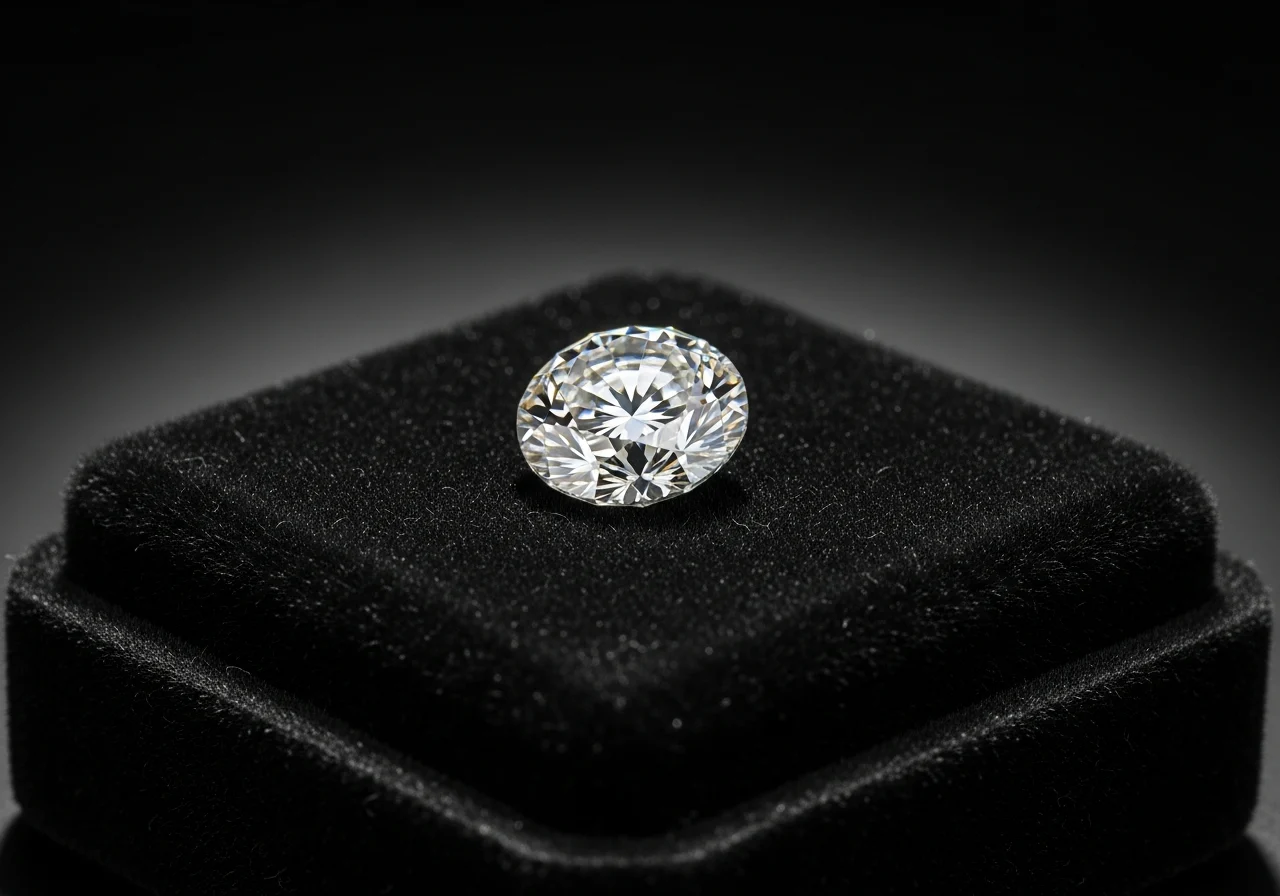
Among the 4Cs, the “Cut” category often receives the least attention from novice buyers, yet it is arguably the most significant. Cut refers not to the shape of the diamond (like round or princess) but to the precision of its proportions, symmetry, and polish. These elements dictate how light enters the diamond, travels within it, and exits back to the viewer’s eye. A diamond’s cut determines its fire, brilliance, and scintillation – the three components that collectively define its diamond light performance.
Achieving a high level of diamond light performance requires exceptional diamond cut precision. This precision involves the exact angles and proportions of each facet, ensuring light is managed optimally. When a diamond’s facets are cut with too shallow or too deep angles, light “leaks” out through the bottom or sides, diminishing its brilliance and reducing its overall visual impact. This leads to what are sometimes called “windowed” or “fisheye” effects, where parts of the diamond appear dull or transparent.
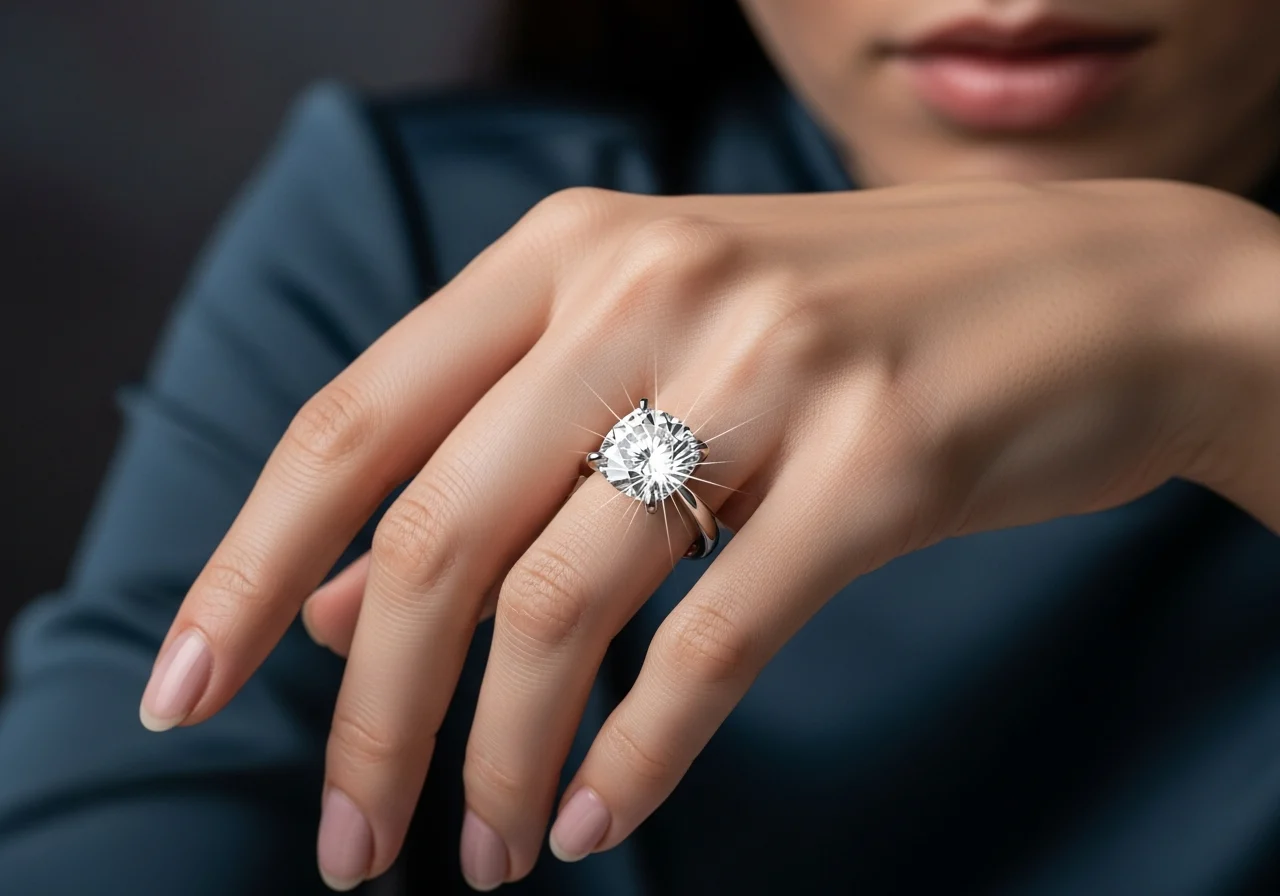
While a GIA “Excellent” or AGS “Ideal” cut grade is a good starting point, these categories can still encompass a wide range of actual light performance. For example, GIA’s “Excellent” cut grade is quite broad, including many diamonds that are good, but not truly exceptional. To truly distinguish a superior stone, one must look beyond 4Cs diamond grading to more detailed metrics and visual assessments.
Specialized tools and advanced grading systems offer a more granular view of a diamond’s light handling capabilities. These include:
These tools allow buyers to visually verify a diamond’s light interaction, offering a level of certainty that a standard grading report alone cannot provide. They move the assessment from abstract numbers to concrete visual evidence of a diamond’s beauty.
When discussing diamond light performance, the term diamond brilliance often comes to the forefront. Brilliance is the lifeblood of a diamond’s visual appeal. It is the white sparkle that makes the stone captivating from across a room. A diamond with high brilliance appears bright and lively, even in varied lighting conditions. This superior white light return is a direct consequence of a masterfully executed cut. Every facet must be placed and polished with extreme accuracy to ensure that light is directed back through the crown (the top part of the diamond) to the observer’s eye.
A diamond’s brilliance is not solely about how much light it returns, but also about the quality of that light. A dull, milky appearance, often a sign of poor polish or internal structural issues, will detract from even a well-cut stone’s potential for brilliance. Conversely, a diamond with excellent polish and symmetry, even if it has minor inclusions, can still display incredible brilliance if its cut is precise.
The pursuit of diamond brilliance also involves considering the diamond’s optical symmetry. Perfect symmetry ensures that light paths are consistent throughout the stone, preventing uneven light leakage and creating a balanced, uniform sparkle. When a diamond is truly symmetrical, its facets act in concert to create a mesmerizing display of light.
For those seeking a diamond that truly stands apart, prioritizing diamond light performance is paramount. It means moving beyond a simple checklist of the 4Cs and engaging with the science and artistry of diamond cutting. Here are steps to empower your selection process:
Understanding beyond 4Cs diamond grading allows you to make an informed decision based on what truly matters: the diamond’s visual impact. While carat weight, color, and clarity contribute to a diamond’s value, it is diamond cut precision that unlocks its true potential for beauty. A diamond with exceptional light performance will always appear more lively, more fiery, and more brilliant than a stone with higher color or clarity grades but a lesser cut.
The creation of a diamond with outstanding diamond light performance is a testament to both scientific understanding and masterful artistry. It involves skilled cutters who meticulously plan and execute each facet with extreme accuracy, guided by optical principles. The outcome is a stone that does more than just reflect light; it actively engages with it, transforming it into a dynamic dance of sparkle and color.
When selecting a diamond, consider its light performance as the ultimate arbiter of its beauty. It is the factor that will bring joy and admiration for years to come. By focusing on diamond cut precision and utilizing advanced assessment tools, buyers can confidently choose a stone that not only meets but exceeds expectations, presenting a truly magnificent display of diamond brilliance.
The journey to finding a truly exceptional diamond extends past simple laboratory reports. It requires an appreciation for the intricate details of its creation and an understanding of how these details dictate its interaction with light. By prioritizing diamond light performance, buyers can ensure their chosen stone will forever radiate with an inner fire and brilliance that captivates every eye.