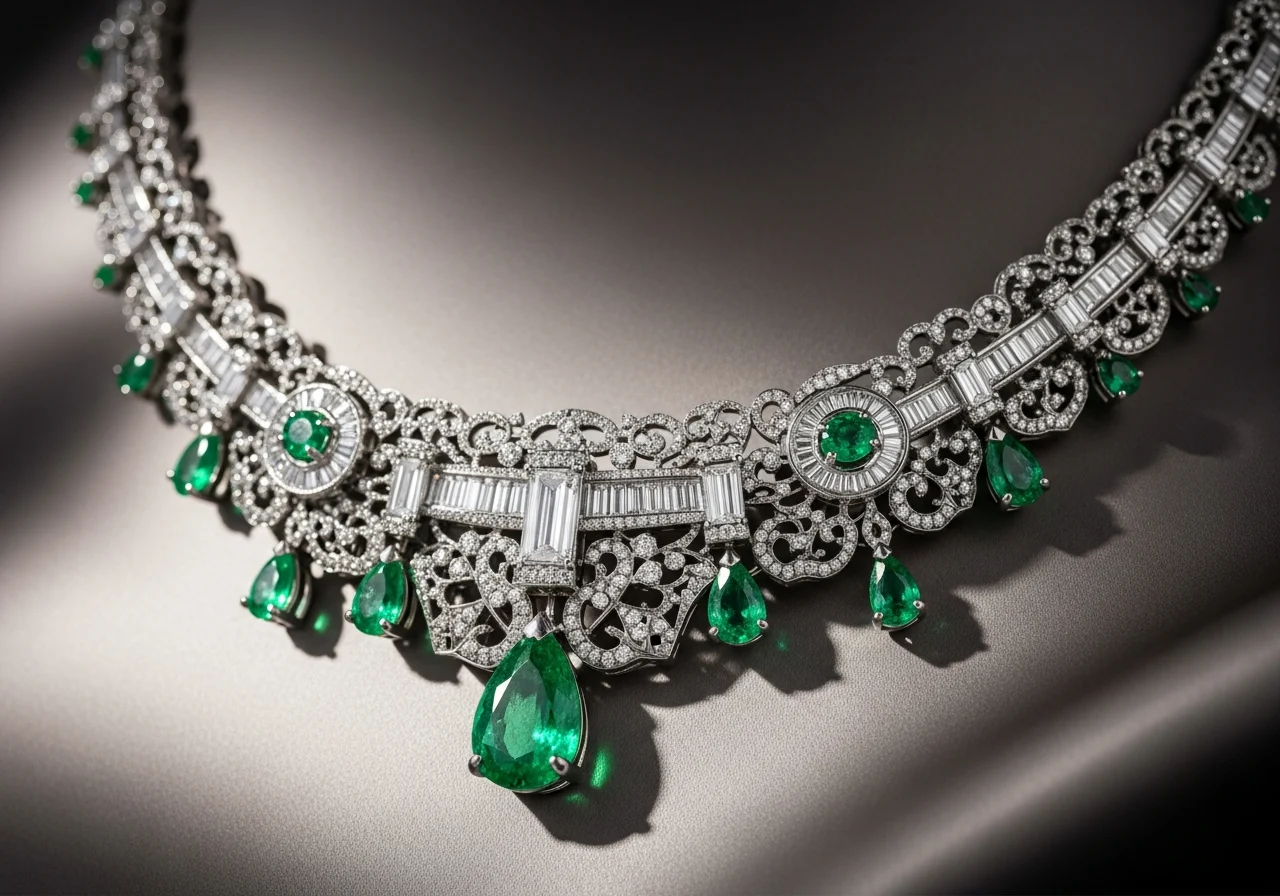
The world of very expensive jewelry, filled with rare gems and exquisite metalwork, is undergoing a quiet but significant transformation. For those who acquire these precious objects, the reasons for buying are shifting. Gone are the days when a famous brand name alone guaranteed a piece’s desirability or its lasting financial worth. Today’s sophisticated collector, someone who truly appreciates fine craftsmanship and rarity, looks much deeper. They seek out items that tell a story, pieces with a clear history, and stones of truly exceptional quality. This change in what collectors prioritize signals a new era for appreciating costly ornaments, where intrinsic merit holds greater sway than mere public recognition.
What makes a piece of high jewelry truly valuable in the current market? For many years, simply having a well-known name attached to a jewel was enough to make it sought after. However, the tastes of today’s most knowledgeable buyers are developing. These individuals, often referred to as discerning luxury buyers, are moving past superficial indicators of worth. Their interest now lies in the fundamental characteristics of a piece: where it came from, the quality of its components, and the skill used to create it. This change means that collectors are becoming more educated, asking tougher questions, and demanding more from their acquisitions. They want to know the full background of an item, not just its current presentation. This growing demand for depth and authenticity is reshaping the entire landscape of fine jewelry acquisition.
One of the most significant factors influencing desirability in the current market is jewelry provenance. This term refers to the complete documented history of a piece, including its previous owners, the circumstances of its creation, and any notable events it has been part of. Imagine a necklace once owned by royalty, or a brooch commissioned by a celebrated artist; such histories add layers of appeal that transcend the mere monetary value of its materials. A clear, verifiable story can elevate a jewel from merely beautiful to truly extraordinary. Collectors are increasingly willing to pay a premium for items with a rich lineage, as this history connects them to the past and confers a unique identity upon the object. Documentation, such as original sales receipts, old photographs, or auction records, plays a crucial role in establishing this background. Knowing the full story makes owning such a piece a more personal and enriching experience.
While size often grabs attention, the true value of a precious stone extends far beyond its weight. For those serious about collecting, gemstone quality is paramount. This involves a detailed examination of several key characteristics. Color, for example, is not just about hue but also saturation and tone; a vivid blue sapphire or a deep green emerald, with no secondary colors, holds immense appeal. Clarity, which refers to the absence of internal flaws or external blemishes, significantly affects how light interacts with the stone. A gem with fewer imperfections will sparkle with greater intensity. The cut of a stone, often mistaken for its shape, concerns how well its facets are arranged to maximize brilliance and fire. An expertly cut diamond, even if smaller, can appear more lively than a larger, poorly cut one. Finally, rarity, whether of the stone type itself or of a particular combination of high-quality attributes, always commands attention. Collectors understand that a truly exceptional stone, even if modest in size, often holds greater long-term value than a larger but less perfect specimen. These intrinsic characteristics are what truly set a gem apart.
Another area receiving increased attention from serious collectors is the concept of signed jewels. These are pieces bearing the distinctive mark or signature of the artisan or the prestigious jewelry house that created them. A signature acts as a guarantee of authenticity, quality, and often, artistic vision. Pieces from renowned firms like Cartier, Van Cleef & Arpels, Tiffany & Co., or Boucheron, especially those from specific historical periods, carry an added layer of prestige and collectibility. The mark indicates not only who made the item but also suggests a certain standard of craftsmanship and design. Collectors appreciate the artistry and technical skill that goes into creating these objects, recognizing that such pieces represent the pinnacle of their craft. The consistent quality and distinctive style associated with these master jewelers make their works highly sought after. Owning a signed piece is akin to owning a recognized work of art, where the creator’s identity contributes significantly to its worth and appeal.
For today’s discerning luxury buyers, the motivations for acquiring high jewelry have matured. They are no longer simply seeking status symbols or items that flash wealth. Instead, their choices reflect a deeper appreciation for artistry, history, and enduring value. These buyers prioritize items where the story behind the piece is clear, where the quality of every gemstone is exceptional, and where the hand of a master craftsman or a respected house is evident. They are looking for assets that maintain or increase in value over time, not just because of market fluctuations, but because of their inherent qualities. This shift means that generic, mass-produced luxury items, even if expensive, hold less appeal. The focus has moved towards uniqueness, verifiable history, and superior execution. These collectors are educated consumers who conduct thorough research, often consulting with experts, before making significant purchases. Their decisions are driven by a desire for authenticity and a lasting connection to beautiful, well-made objects.
The current market for high jewelry clearly shows that value is being redefined. It’s less about fleeting trends or the loudest marketing campaigns, and more about enduring qualities. For both seasoned collectors and those looking at fine jewelry as an investment, the emphasis is now firmly on intrinsic characteristics. A piece’s background, the superior grade of its stones, and the recognized skill of its maker are the elements that truly determine its lasting worth. These factors contribute to a piece’s uniqueness and its potential to appreciate over time. While brand recognition still plays a part, it is now often seen as a secondary consideration, complementing the fundamental attributes rather than overshadowing them. The market is maturing, and with it, the criteria for what constitutes a truly valuable and desirable piece of high jewelry are becoming more sophisticated and grounded in tangible qualities.
As we look to the future, the trends observed today are likely to continue strengthening. Collectors will become even more knowledgeable, demanding greater transparency and authenticity from the market. The pursuit of items with clear histories, exceptional gem quality, and the hallmarks of master craftsmanship will remain central to sophisticated collecting. For anyone considering an acquisition in this specialized field, understanding these key drivers of value is essential. Focusing on these core attributes ensures that a purchase is not just a momentary pleasure, but a meaningful addition to a collection, holding both personal significance and lasting financial potential. The journey of acquiring high jewelry is becoming a more thoughtful and informed pursuit, celebrating the deep artistry and storied past of these magnificent creations.