Jewellery has long existed in a curious space between art and geology. A gemstone begins its life deep beneath the earth under immense pressure and over extraordinary spans of time, only to eventually arrive in the hands of artisans who transform it into something deeply personal.
Few stones carry the visual impact and historical significance of the sapphire. For centuries, its deep blue tones have fascinated royalty, collectors, and jewellers across cultures. Ancient civilizations believed sapphires protected their wearers and symbolized wisdom, truth, and sincerity. Persian legends once suggested that the sky itself was blue because it reflected the color of giant sapphires hidden beneath the earth. Throughout history, kings and religious leaders frequently chose the stone as a symbol of status and protection.
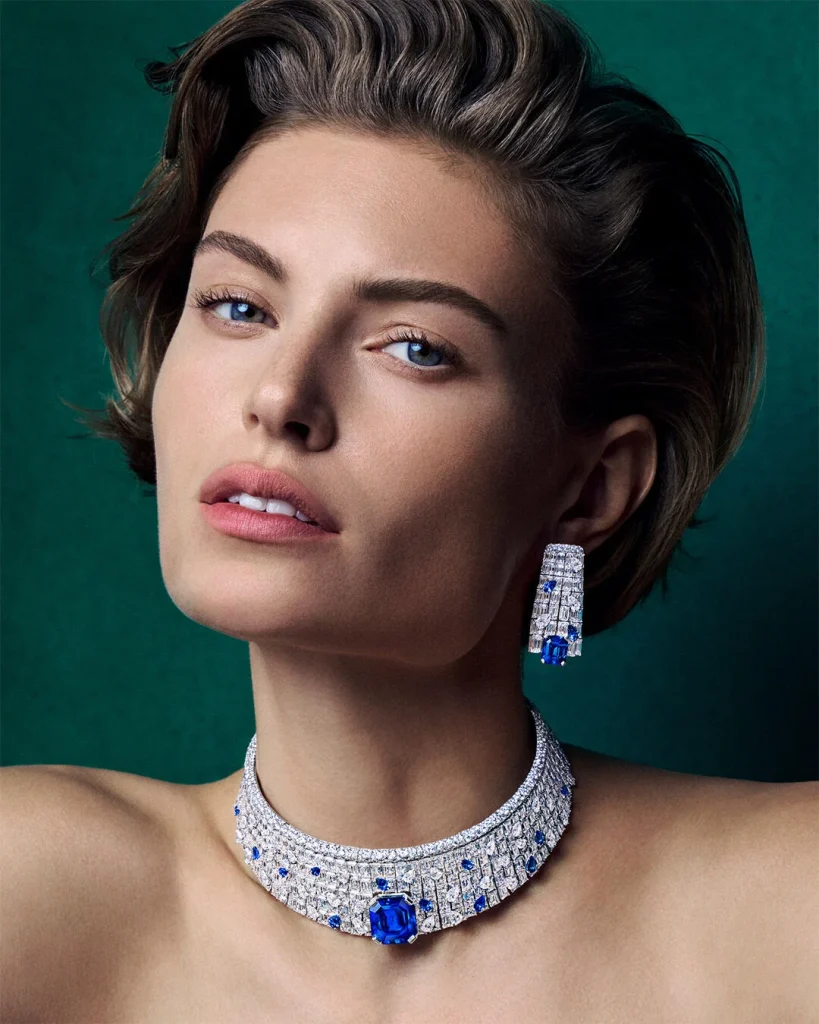
The sapphire family itself contains surprising complexity. Although blue remains its most recognized color, sapphires can naturally appear in yellow, pink, green, purple, and even colorless varieties. Yet blue sapphires continue to occupy a special place in high jewellery. Their color can range from pale cornflower shades to deep midnight tones. Among experts, stones from Kashmir remain particularly sought-after due to their velvety appearance and exceptional rarity. Burmese and Sri Lankan sapphires have also established an important place in gem history.
In jewellery houses, sapphires often create a different emotional language from diamonds. Diamonds frequently attract attention through brilliance and fire; sapphires create fascination through depth. Looking into a sapphire can feel strangely similar to looking into water, where color shifts with movement and light. Each stone carries small distinctions that make one gem impossible to fully replicate with another.
This long fascination with sapphire continues in the world of High Jewellery, where exceptional stones become the starting point of creative expression. At Graff, sapphire creations place some of nature’s rarest treasures at the center of highly detailed compositions. The House approaches these gemstones with a sense of scale and precision that allows extraordinary stones to command full attention.
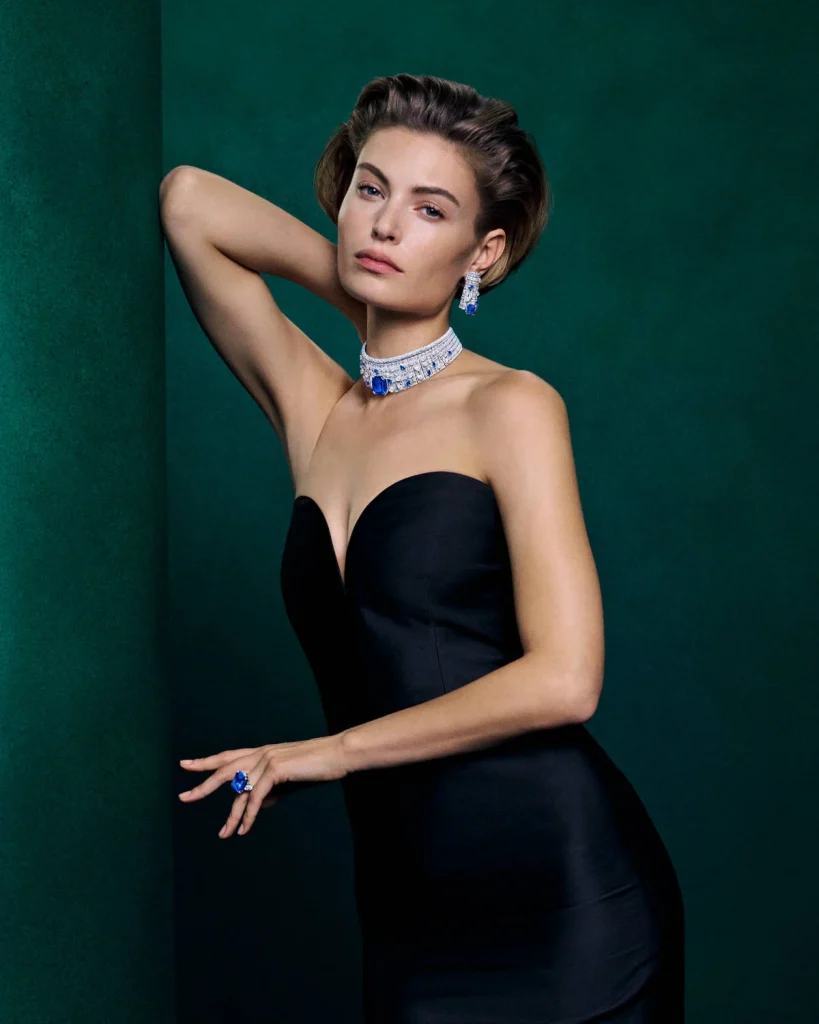
Nature itself often provides the strongest references. Water, movement, light, and organic forms frequently appear as starting points in jewellery design. One remarkable High Jewellery choker takes inspiration from the quiet moment when a single drop touches still water and circular waves begin to spread outward. The image itself lasts only seconds, yet it creates a visual rhythm immediately understood.
At the center of this creation rests a 31-carat emerald-cut unheated sapphire — a detail carrying particular importance in the world of gemstones. Unlike heated stones, unheated sapphires retain their original characteristics exactly as nature formed them. Around the central gem, pear-shaped diamonds and sapphires create a sequence of shapes that appear suspended in motion, echoing ripples moving across water. The composition creates movement without urgency, structure without rigidity, and a visual rhythm that shifts with every angle. Like many memorable jewellery creations, the piece begins with a stone, but eventually becomes a story.