The moment of proposing, a question asked with a ring, marks a significant step for many couples. This small circle of metal, often topped with a shining stone, holds a lot of meaning. For those getting ready for this big decision, a key choice presents itself: will the central stone be a diamond formed deep within the earth, or one grown with advanced technology? Understanding the differences between lab-grown vs natural diamond engagement rings is more important now than ever, as both types offer distinct appeals to modern sweethearts.
This article aims to provide a clear, balanced look at these two diamond types. It will delve into their origins, how they are priced, their symbolic weight, and what current buying preferences suggest. The goal is to equip couples with the knowledge needed to pick a ring that truly reflects their love story and values, making a confident and personal choice.
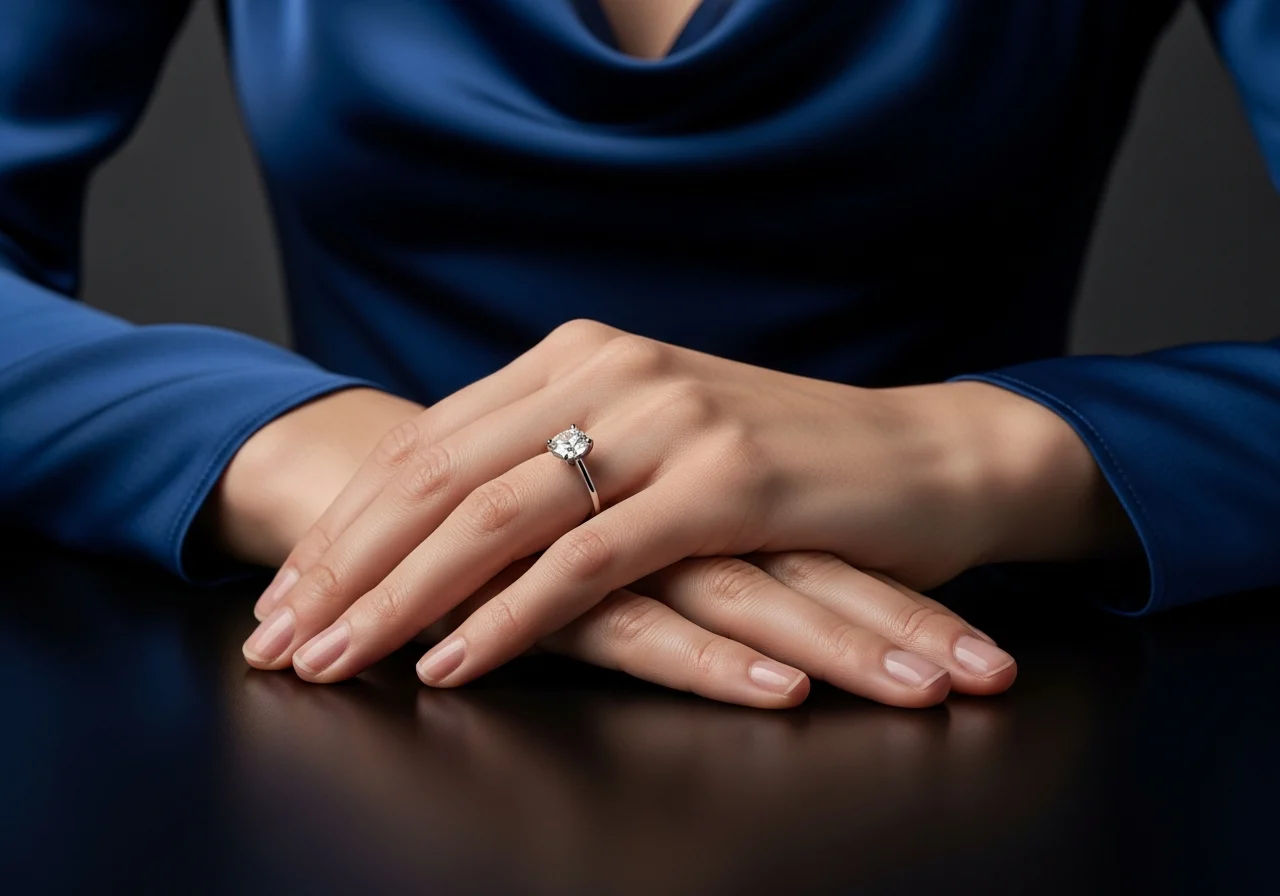
To truly appreciate a diamond, one must first consider its beginnings. The stories behind natural and lab-grown diamonds are quite different, yet both result in beautiful, hard stones.
Natural diamonds are incredibly old. They start as carbon, put under extreme heat and pressure hundreds of miles below the earth’s surface, typically over billions of years. Volcanic eruptions then bring these crystals closer to the surface, where they can be found and mined. This process makes natural diamonds a true marvel of geology, with each stone carrying a history of the planet itself. The deep journey and specific conditions needed for their formation contribute to the natural diamond rarity and value. Their creation process cannot be sped up or copied by humans, giving them an inherent scarcity that has long been a part of their charm.
In contrast, lab-grown diamonds are created in controlled environments, using technology that mimics the earth’s natural processes. There are two main methods: High-Pressure/High-Temperature (HPHT) and Chemical Vapor Deposition (CVD). Both techniques start with a small diamond “seed” and, over weeks or months, grow a full-sized crystal. Chemically, physically, and optically, these diamonds are identical to those from the earth. They are not fakes or imitations; they are real diamonds, simply with a different birth story. This scientific approach means a steady supply, without the environmental impact or ethical concerns sometimes linked to traditional mining.
For many couples, the price of an engagement ring is a significant factor. Here, the differences between natural and lab-grown diamonds become quite apparent.
Generally speaking, lab-grown diamonds offer a more budget-friendly option. Because they are grown in labs, their supply is more consistent and their production costs, while substantial, are not tied to the risks and expenses of mining. This typically means a lab grown diamond price comparison will show them costing anywhere from 30% to 50% less than a natural diamond of similar size and quality. This price difference allows couples to get a larger stone, or a higher quality stone (in terms of color and clarity), for the same amount of money they might spend on a smaller or lower-grade natural diamond. For those prioritizing size and sparkle within a certain budget, lab-grown diamonds present a very attractive option.
The value proposition for natural diamonds is often tied to their origin and scarcity. The long history of diamond mining, combined with their finite supply, contributes to a perception of enduring worth. While the resale market for all diamonds can be complex, natural diamonds have traditionally held a stronger perceived long-term value due to their natural origins and the difficulty of finding them. This idea of owning something truly rare and ancient is part of what makes natural diamonds so appealing to some. The discussion around natural diamond rarity and value often touches on their heritage and the idea of owning a piece of earth’s history.
When placed side-by-side, it’s virtually impossible for the untrained eye to tell the difference between a natural and a lab-grown diamond. They both exhibit the same fire, brilliance, and sparkle.
The universal standards for judging diamond quality – Carat, Cut, Color, and Clarity – apply equally to both types. A well-cut lab-grown diamond will shine just as brightly as a well-cut natural diamond. Both types are graded by independent gemological laboratories using the same strict criteria. This means a GIA-certified natural diamond with specific 4 Cs will have the same visual properties as an IGI-certified lab-grown diamond with identical 4 Cs.
Beyond price and appearance, the meaning behind the ring often holds the most weight. The symbolism of diamonds has evolved, especially for partners today.
For centuries, natural diamonds have stood for enduring love, strength, and eternity. Their formation deep within the earth, surviving immense pressure, has often been compared to the resilience of a lasting relationship. The idea of holding something billions of years old, a rare treasure from the earth, carries a profound sense of romance and connection to history. This deep-rooted symbolism appeals to many who value tradition and the story of the earth’s natural wonders.
Lab-grown diamonds, while newer to the scene, are quickly building their own powerful meanings for diamond symbolism modern couples. For many, choosing a lab-grown stone is a statement of conscious consumerism. It speaks to a preference for ethical sourcing, transparency, and often, a reduced environmental footprint compared to traditional mining. These diamonds can symbolize innovation, future-forward thinking, and a love that is both brilliant and responsible. Couples might see their choice as representing a new chapter, built on modern values and a thoughtful approach to luxury. The ability to get a larger, more impressive stone for a lower cost also allows for a different kind of generosity and practicality, reflecting a modern approach to financial planning.
The world of engagement rings is always changing, and current preferences show a definite shift in what couples are looking for.
Today’s engagement ring trends are shaped by several factors: budget consciousness, ethical concerns, and a desire for personalization. Social media plays a big part too, showcasing a wide range of styles and options. Many couples are moving away from the idea that a specific type of diamond is “better,” focusing instead on what feels right for them as a pair.
Ultimately, the decision between a lab-grown and a natural diamond for an engagement ring is deeply personal. There is no single “correct” answer, only the choice that feels right for the couple involved.
It is important to remember that both types of diamonds offer exceptional beauty, strength, and brilliance. Both can serve as a stunning representation of love and commitment. The most important thing is that the ring you choose brings joy and meaning to the person wearing it and to the relationship it celebrates.
Seek out jewelers who are knowledgeable about both options and can show you a variety of stones. Ask questions about grading, sourcing, and value. By gathering all the facts and considering what matters most to your unique partnership, you can confidently select an engagement ring that will be cherished for years to come.