In a world often loud with brand declarations, a different kind of message is gaining traction. It’s a whisper, not a shout, a knowing nod rather than an obvious display. This is the domain of quiet luxury status, where true value speaks softly but carries significant weight. Yet, even as this refined aesthetic becomes more popular, the underlying human desire for social standing and recognition in fashion remains a powerful force. This piece will look at why people still want to show their position through what they wear and how public figures, particularly those celebrated for their sophisticated sense of dress, illustrate how to achieve respected standing without needing clear logos.
Forget giant monograms and flashy emblems. The idea of quiet luxury centers on discretion, superb craftsmanship, and materials of the highest grade. It’s about pieces that are built to last, items with an intrinsic quality that doesn’t need external validation. For those who appreciate this style, the value is in the make, the fabric, the cut, and the way an item feels and performs over time. It’s a preference for clothes and accessories that suggest a certain level of discernment and an educated eye, rather than simply displaying a price tag.
Achieving quiet luxury status isn’t about hiding wealth; it’s about expressing it with a cultivated taste. It suggests that the wearer understands the finer points of design and construction, valuing substance over superficiality. This approach communicates a confident self-assurance, a person who doesn’t need to prove anything through overt branding because their choices speak for themselves.
Despite the rise of quiet aesthetics, the core motivations for buying luxury goods have not changed dramatically. People pursue high-end fashion for a variety of deep-seated luxury fashion buying reasons:
Even when logos are absent, these underlying desires persist. The satisfaction derived from possessing a beautifully made object, knowing it’s of superior quality and conveys a certain image, remains a key driver.
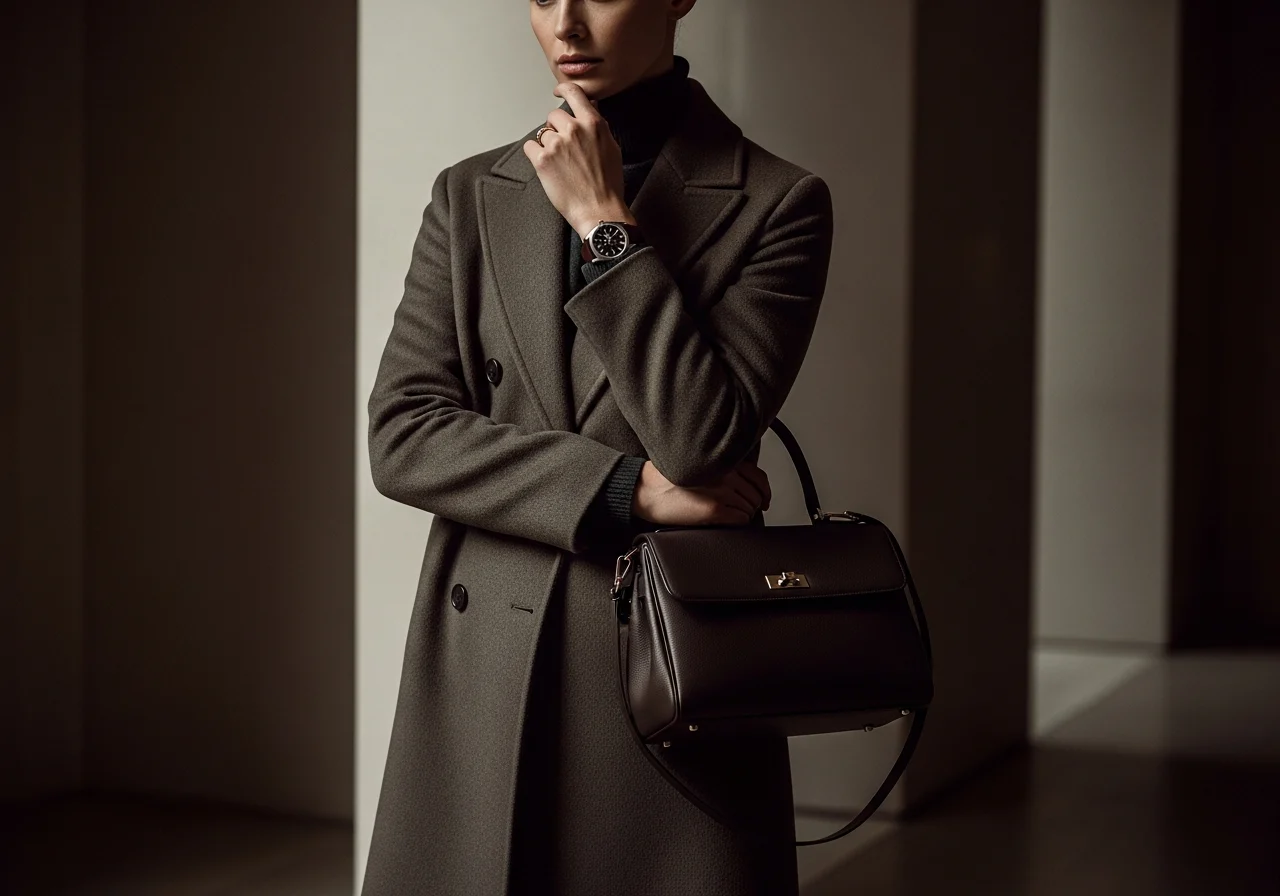
Discreet dressing luxury is the practical application of the quiet luxury philosophy. It’s about making deliberate choices that convey high standing without resorting to obvious branding. Think about a perfectly tailored coat made from fine cashmere, a leather handbag with minimal hardware and no visible logo, or a watch chosen for its intricate mechanics rather than its prominent name. These items speak volumes through their inherent qualities:
This way of dressing requires a discerning eye and a confidence that doesn’t need external validation. It’s a statement of personal taste and knowledge, where the wearer understands the language of quality and quiet sophistication.
Few public figures exemplify the principles of quiet luxury status as clearly as Rosie Huntington-Whiteley. Her personal aesthetic is a shining example of how to convey significant standing and style without relying on overt branding. Her approach to fashion is frequently highlighted for its refined character and sophisticated simplicity.
The core of Rosie Huntington-Whiteley style is built on several key elements:
Rosie Huntington-Whiteley’s fashion choices demonstrate that true luxury is about curation and discernment. She doesn’t need to advertise brand names; her clothing speaks of quality, expense, and a highly cultivated personal taste, effectively communicating quiet luxury status to those who understand the unspoken cues of sophisticated dressing.
Even with a shift towards understated fashion, the appeal of aspirational luxury brands remains potent. These are the brands that represent a certain dream, a pinnacle of craftsmanship and design. For many, owning an item from such a brand signifies reaching a personal milestone or aligning with a certain lifestyle. The difference now is how these brands are approached and how their products are chosen.
Many renowned luxury houses, some with centuries of history, have always prioritized quality and design over overt branding. Their items are recognized not by giant logos, but by their distinctive craftsmanship, unique hardware, or signature silhouettes. These brands cater to a clientele who seek enduring value and understated elegance. The desire to own a piece from one of these revered names is still strong, but the focus has moved to appreciating the item for its inherent worth and prestige, rather than its ability to shout status. It’s about being “in the know” rather than simply “showing off.”
The world of luxury fashion is continually changing, but the human desire for standing and respect through personal presentation endures. The rise of quiet luxury doesn’t mean the end of status-seeking; rather, it indicates a maturation in how that status is expressed. It’s a move from conspicuous consumption to considered selection, from loud declarations to knowing whispers.
In this refined environment, quiet luxury status becomes a powerful tool. It allows individuals to project an image of success, taste, and discernment that is both authentic and deeply respected. It champions quality, craftsmanship, and a personal style that transcends fleeting trends. As demonstrated by figures like Rosie Huntington-Whiteley, it’s possible to achieve the highest levels of fashion standing not through noise, but through the profound impact of thoughtful, understated elegance.