In periods when the world feels unpredictable, when economies waver and cultural shifts create ripples of uncertainty, people often seek stability wherever they can find it. One surprising yet potent area where this search manifests is in personal attire. The way individuals dress can offer a tangible anchor, a statement of resolve in the face of external chaos. This article explores how precise, formal clothing styles become particularly prominent during such times, acting as a sartorial shield and a psychological tool. It delves into the reasons why a structured look, exemplified by designers like Anthony Vaccarello at Saint Laurent, projects strength and mental fortitude, helping individuals feel and appear in control when circumstances outside their influence are difficult.
The concept of dressing with purpose during challenging periods is hardly new. History shows a recurring pattern: when society experiences significant upheaval, fashion often responds with a renewed emphasis on order and definition. Consider the 1980s, a decade marked by economic shifts and a push for professional advancement. Women entered the corporate world in greater numbers, adopting a distinctive style characterized by sharp shoulders, tailored suits, and strong silhouettes. This was not merely a trend; it was a visual declaration of capability and ambition, a way to command respect and project authority in burgeoning fields. The clothing served as armor, providing a sense of gravitas in competitive environments. Similar patterns have appeared through various eras, indicating that the move towards more formal, structured garments is a common human reaction to a need for reassurance and competence when the wider world seems to be losing its footing.
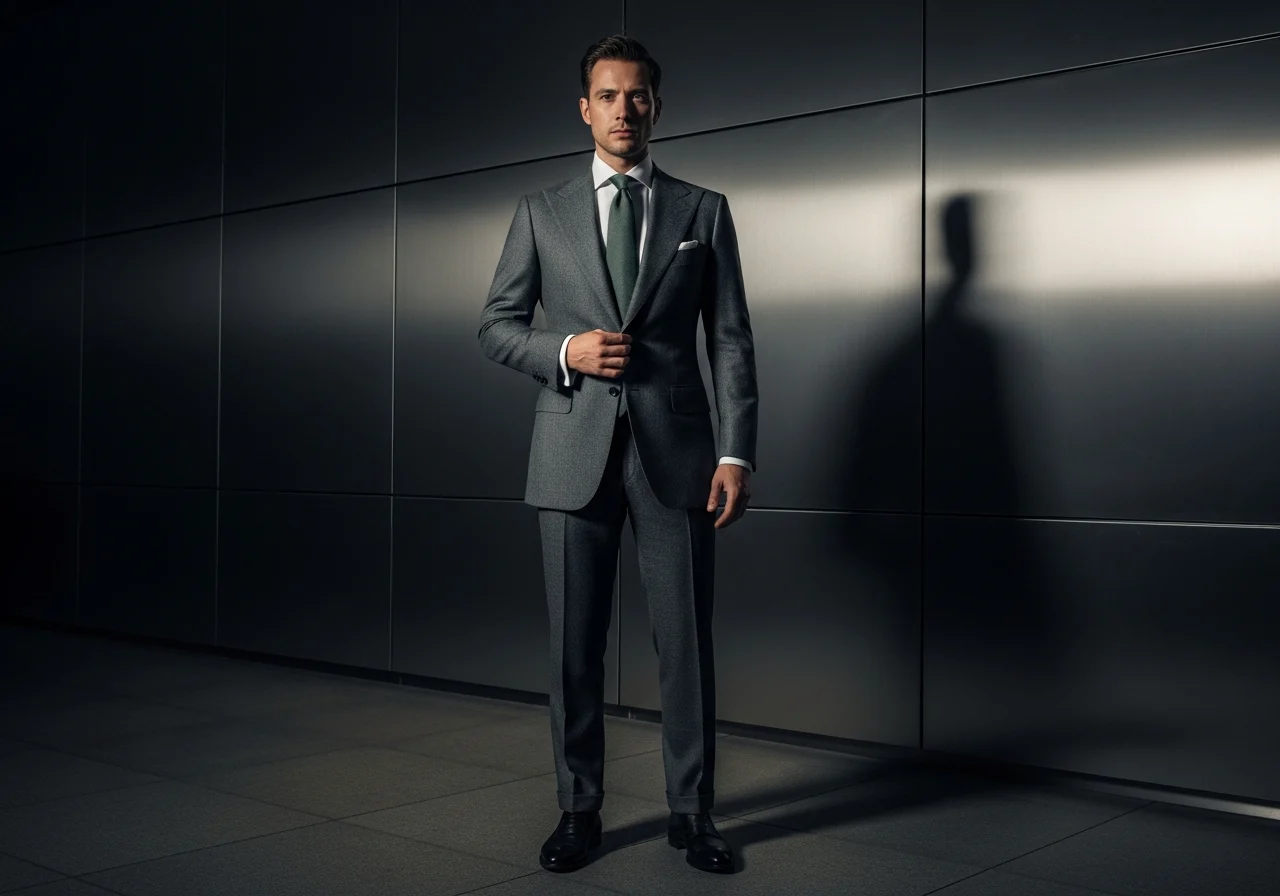
When financial markets stutter and the future seems less secure, the collective mood can become strained. This is where fashion psychology economic downturn becomes a fascinating area of study. Clothing, in these moments, is far more than mere fabric; it is a communication device, both for the wearer and for those observing them. Choosing structured clothing can provide an internal boost, fostering a sense of discipline and preparedness. The act of putting on a well-fitted suit or a precisely tailored dress can alter one’s posture, affecting how one carries oneself and, consequently, how one feels. This physical transformation often leads to a mental shift, allowing individuals to project an image of composure and competence, even if they harbor private anxieties. It is a way of creating an internal stronghold, a personal zone of control, when much else feels beyond one’s grasp. The external presentation acts as a subtle but firm reminder of one’s own agency.
What exactly is it about structured clothing confidence that makes it so effective? The answer lies in the very elements that define this style: clean lines, defined shapes, and careful construction. A garment with a strong shoulder line, a cinched waist, or a precise cut communicates a sense of purpose and intent. These clothes are not about comfort in the casual sense; they are about comfort in the psychological sense – the comfort that comes from feeling prepared and capable. When an item of clothing holds its shape, it helps the wearer hold theirs too. This physical structure translates into mental fortitude. The feeling of being “put together” can significantly reduce feelings of disarray or indecisiveness. It provides a visual framework that suggests order and deliberation, qualities highly valued during periods of general instability. Such clothing acts as a silent ally, reinforcing an individual’s belief in their own strength and ability to manage difficulties.
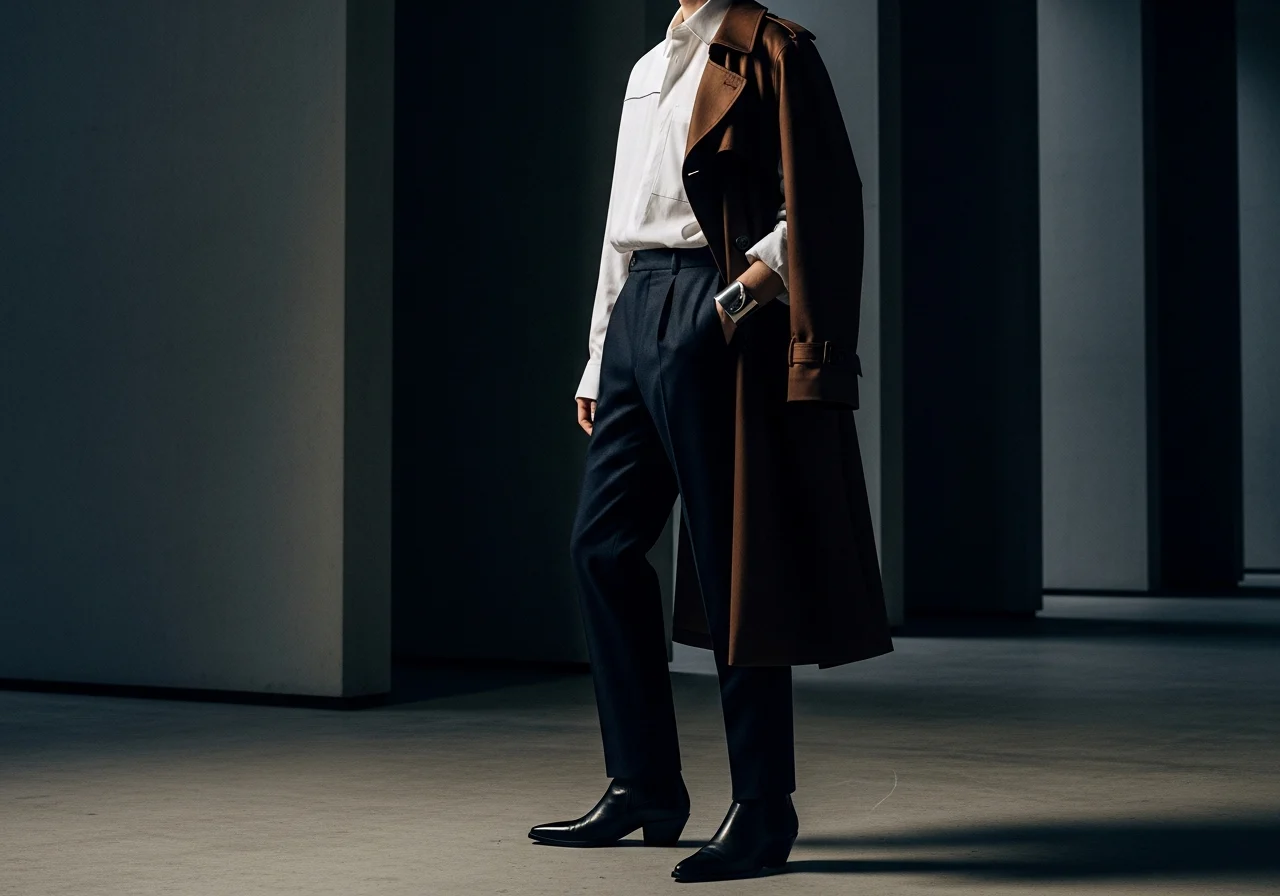
Few designers articulate this concept with the clarity and impact of Anthony Vaccarello at Saint Laurent. His work at the iconic French house offers a prime example of Saint Laurent Vaccarello style as a response to contemporary anxieties. Vaccarello’s aesthetic is built upon a foundation of sharp tailoring, powerful silhouettes, and an almost architectural precision. He frequently features broad, padded shoulders, narrow waists, and trousers that fall with an authoritative drape. These are not merely fashionable details; they are deliberate choices that construct an image of mental fortitude and unyielding resolve. His designs, often rendered in stark blacks and rich, deep tones, convey a seriousness and an inner strength. They suggest a person who is focused, determined, and ready to meet challenges head-on. The clothing itself becomes a declaration, a visual language that speaks of resilience and self-possession, making it particularly resonant for those seeking to project such qualities in a complex world.
The principle of dressing for authority extends beyond the runway and into everyday life, especially in professional settings. In an uncertain economy, standing out for one’s competence and reliability becomes even more crucial. Clothes that suggest professionalism, seriousness, and attention to detail can significantly influence how others perceive an individual. A well-cut blazer, a crisp shirt, or a tailored skirt signals a person who respects their role, takes their responsibilities seriously, and is capable of handling demanding situations. This is not about ostentation; it is about communicating a message of capability and trustworthiness. Such attire can open doors, foster confidence in interactions, and even subtly influence negotiations. It provides a non-verbal cue that says, “I am prepared, I am capable, and I mean business.” In a world that values stability, projecting these attributes through dress can be a powerful advantage.
For those looking to adopt this approach, integrating elements of power dressing into one’s personal collection does not require a complete overhaul. The focus should be on key pieces that offer structure and definition. Think about acquiring items like a well-tailored blazer, a precise coat, or trousers with a strong line. These pieces can be combined with existing garments to elevate an entire look. The emphasis is on quality over quantity, choosing items that fit well and hold their shape. Colors like black, navy, charcoal, and deep jewel tones often convey seriousness and sophistication. Accessories, too, play a part; a structured handbag or a classic watch can add to the overall impression of competence. The goal is to create an appearance that feels considered and intentional, a reflection of an inner resolve rather than a mere following of trends. It is about building a collection that supports a feeling of strength and purpose.
Ultimately, the prominence of power dressing uncertain times highlights a deeper human truth: when faced with instability, people seek ways to assert control and project confidence. Clothing becomes a tangible means to achieve this. It is a tool for psychological empowerment, a way to fortify oneself mentally by presenting an outward image of strength and order. The sharp lines and tailored forms favored by designers like Anthony Vaccarello at Saint Laurent are more than just aesthetic choices; they are visual declarations of resilience. They offer a silent but potent message that, even when external circumstances are turbulent, individuals can choose to stand firm, project competence, and meet the future with a composed and authoritative presence. This approach to dress is not simply about looking good; it is about feeling strong and communicating that strength to the world, offering a form of personal stability in an ever-shifting global landscape.