Menswear often receives less credit than it deserves. Conversations around women’s fashion regularly move toward emotion, storytelling, and cultural shifts, while men’s fashion has historically been reduced to tailoring, trends, and seasonal formulas. Yet the strongest menswear has never been built around trends alone. It has always revolved around something more permanent: fabric. Before silhouette comes movement. Before design comes touch. Before style comes material.
Warm-weather dressing makes this particularly visible. During colder seasons, layers can conceal almost anything. Coats create structure, knitwear adds dimension, and styling compensates for weaker foundations. Summer operates differently. Fewer layers create greater exposure. Fabrics suddenly become impossible to ignore. A shirt either breathes or traps heat. Trousers either move naturally or become uncomfortable after twenty minutes. There is nowhere to hide.
The market itself reflects changing priorities. According to data from the European Confederation of Linen and Hemp, demand for linen continues growing internationally, with Europe producing approximately 80 percent of the world’s flax used in linen production. The material remains among fashion’s most valued natural fibers because of its durability, breathability, and moisture-absorbing properties. Numbers explain demand. Daily life explains everything else.
Luxury menswear increasingly begins with a simple question: how does clothing feel after an entire day of living inside it?
Cotton remains the foundation of most wardrobes, though cotton itself exists in entirely different categories. Egyptian cotton, Sea Island cotton, and Pima cotton occupy a different world from standard mass-market alternatives because of their exceptionally long fibers. Longer fibers create softer textures, stronger durability, and smoother surfaces. A shirt may appear visually similar at first glance, but differences become obvious during wear. Twelve hours later, fabric tells the truth.
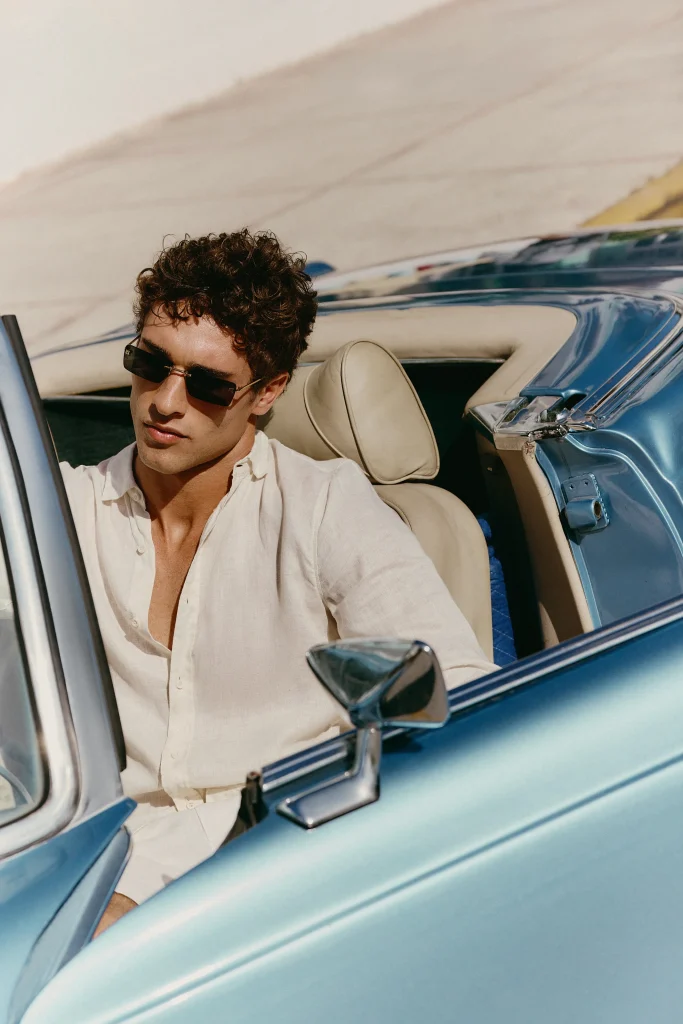
Then comes linen. Old-world elegance. Mediterranean ease. A material with remarkable longevity.
Linen has accompanied men through centuries of dressing because functionality and elegance rarely exist separately inside its construction. The material regulates body temperature naturally, absorbs moisture efficiently, dries rapidly, and gradually softens over time. Unlike many modern fabrics attempting to simulate comfort through technology, linen simply performs according to its nature.
Its visual language also contributes significantly to its continued popularity. Linen carries texture and movement. It does not sit rigidly against the body. It creates ease without appearing careless. Fashion repeatedly returns to materials possessing honesty, and linen continues surviving generations because of exactly that quality.
Cotton-linen blends increasingly attract attention for similar reasons. Cotton contributes softness while linen introduces structure and breathability. Together they create balance, which modern menswear seeks constantly. Formality itself has changed shape.
Merino wool occupies another category frequently misunderstood. Lightweight versions perform exceptionally during warmer temperatures because natural fibers regulate heat while maintaining breathability. Technical fabrics often advertise similar qualities. Nature solved many of these questions long ago.
Silk remains more selective in menswear, frequently appearing through premium shirting blends and finer knitwear. Cashmere increasingly entered lighter categories as well, creating elevated T-shirts and knit pieces designed around softness and comfort. The broader shift becomes difficult to ignore. Men increasingly purchase according to feeling rather than visual performance alone.
Fashion campaigns rarely mention maintenance. Real life eventually does.
Linen wrinkles quickly and famously, though many would argue these natural creases belong to its visual identity. Excessive ironing often removes the movement that makes linen attractive in the first place. Steam generally creates a more natural finish while preserving softness and flow.
Cotton responds exceptionally well to traditional ironing and immediately regains crispness when slightly damp. Merino wool frequently requires minimal intervention because fibers naturally resist heavy wrinkling. Silk demands considerably lower temperatures and more careful handling, while cashmere rewards patience and softer treatment methods.
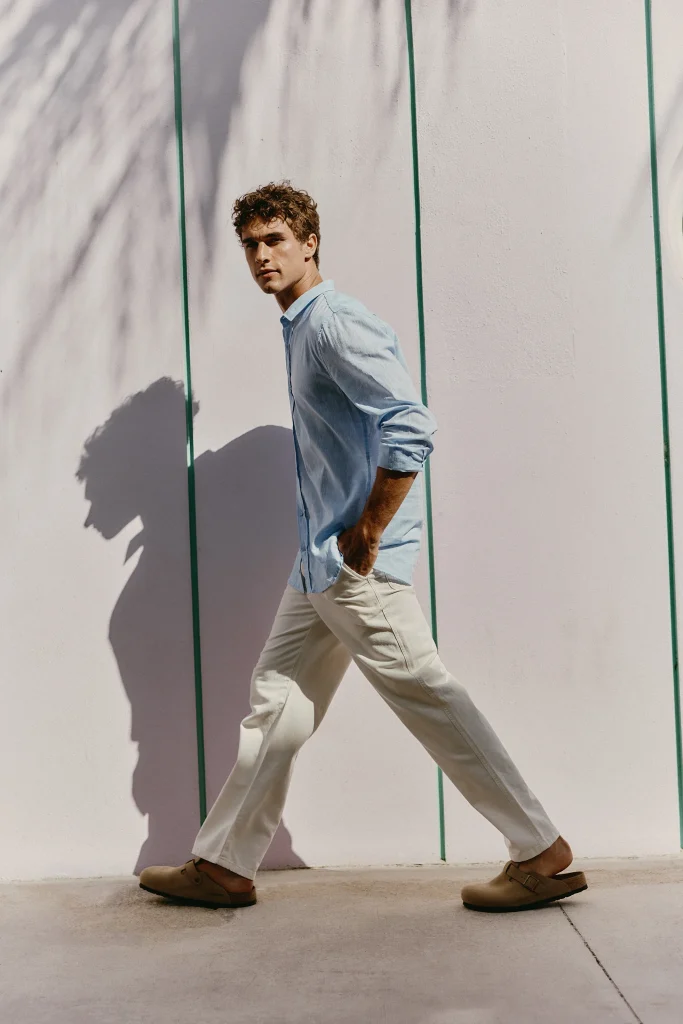
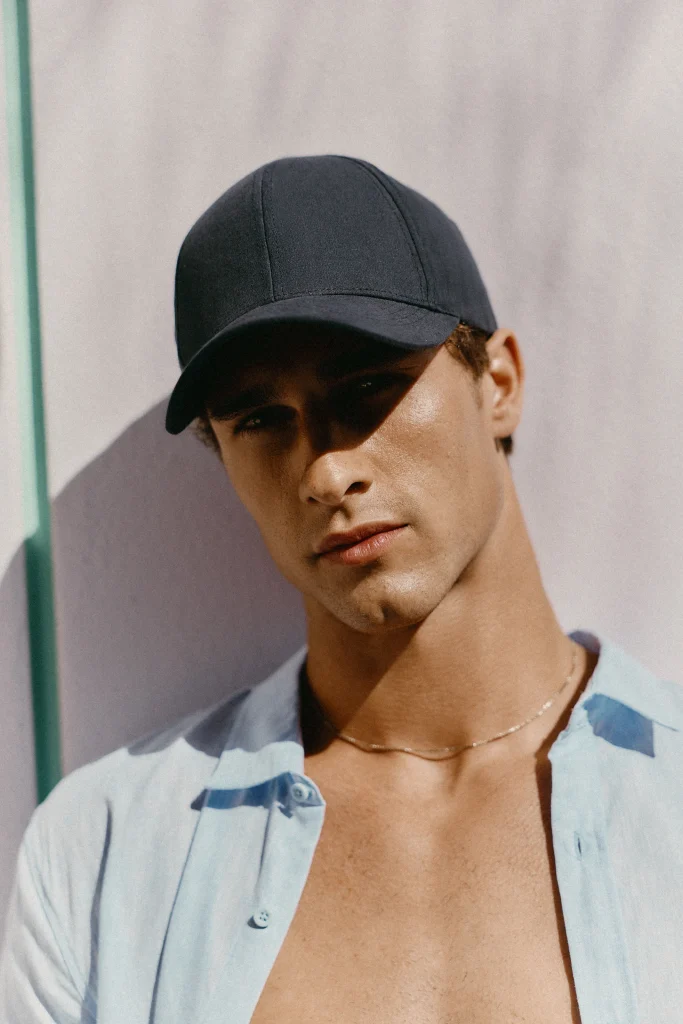
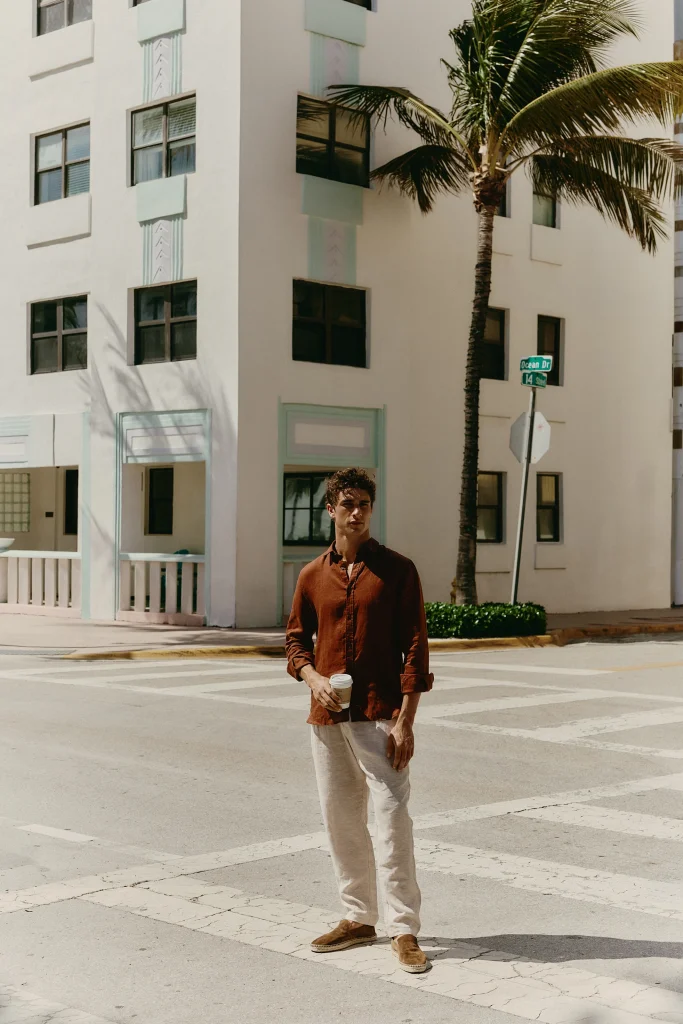
This conversation naturally arrives at IUMAN. The brand approaches linen through a contemporary wardrobe built around versatility, introducing longer and shorter trousers, elongated shirts, and linen polo silhouettes designed for movement across different environments. Earth-inspired neutrals, crisp white tones, and shades of blue recalling coastlines create visual freshness throughout the collection, while striped details introduce rhythm without overwhelming the overall balance.
More importantly, the collection understands a reality modern menswear increasingly reflects: men no longer live one-dimensional lives. The entrepreneur travels. The creative director moves between meetings and weekends abroad. The businessman dresses differently than he did ten years ago.
The wardrobe changed with him.
Photos: IUMAN