In a world increasingly comfortable with sneakers and hoodies, one might wonder about the staying power of ball gowns, tuxedos, and couture creations. Yet, the realm of high-end formal attire continues to exert immense commercial influence and captivate public imagination. The strength of Luxury Formalwear Commercial Power isn’t just a quirk of fashion; it represents a deep-seated desire for drama, aspiration, and spectacular beauty that translates directly into significant financial and media sway. This sector does not merely survive; it thrives by offering something truly special, something that casual clothing simply cannot replicate.
Consider the annual Costume Institute Gala, more commonly known as the Met Gala. This event stands as a towering example of how high-stakes formalwear generates enormous buzz and financial activity. Every year, a theme is announced, designers are commissioned, and celebrities parade creations that push the boundaries of fashion. The resulting media frenzy is staggering. Publications worldwide dedicate countless pages and hours to covering the outfits, the designers, and the attendees. This publicity is invaluable.
The Met Gala economic impact is felt across various fronts. For the brands involved, the exposure is priceless. A dress worn by a major star on the Met Gala red carpet can elevate a label’s profile overnight, leading to increased sales of ready-to-wear collections, accessories, and even perfume. The event also directly raises millions for the Metropolitan Museum of Art’s Costume Institute, proving that artistic spectacle can have a very tangible financial outcome. It’s a moment where fashion becomes a global conversation, influencing trends and shaping desires for months afterward. The clothes displayed are not just garments; they are statements, aspirations, and marketing tools of the highest order.
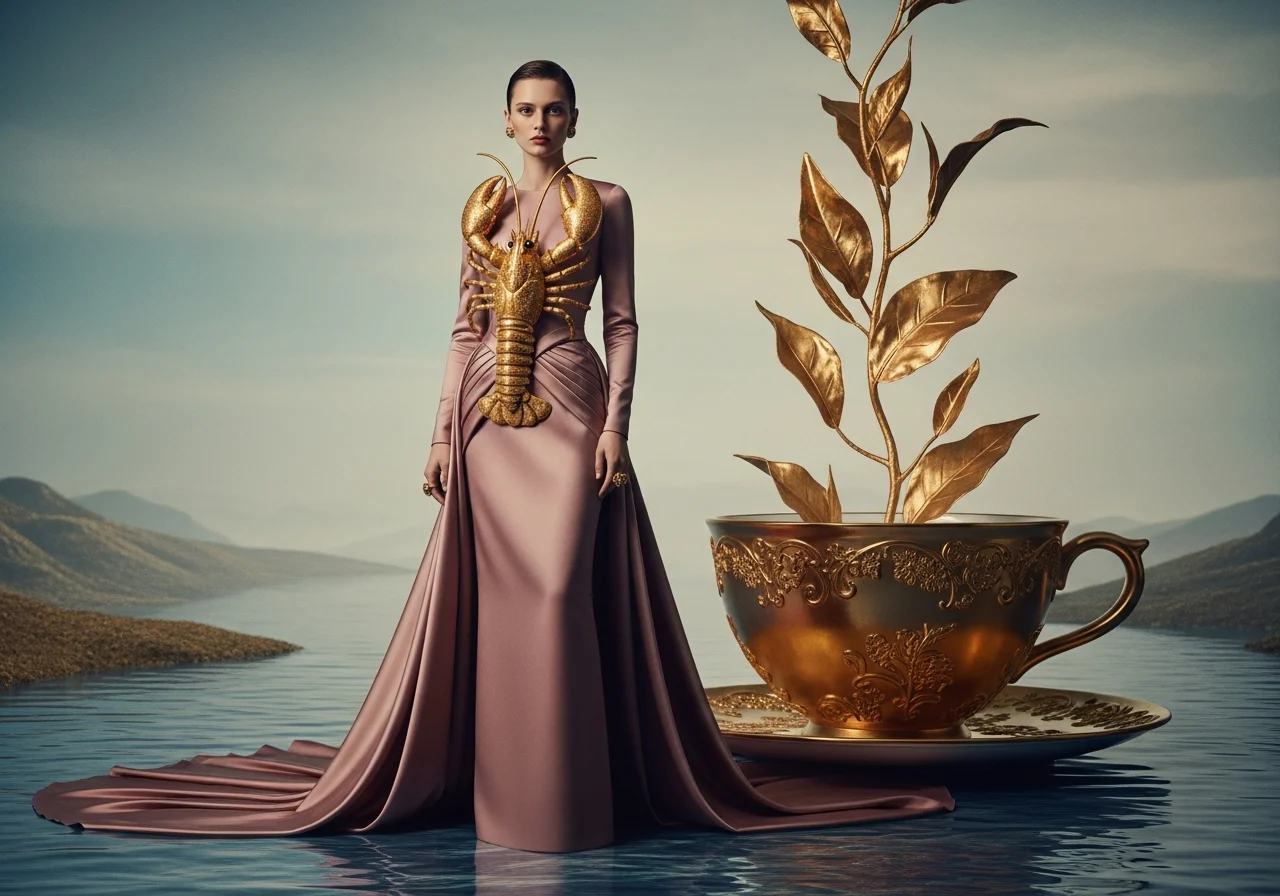
To understand how design artistry translates into commercial might, one need only look at the history and current direction of Schiaparelli. This Parisian fashion house, founded by Elsa Schiaparelli in the 1920s, became famous for its surrealist collaborations and groundbreaking, often fantastical, designs. Think lobster dresses, skeleton motifs, and tear prints – garments that were shocking, artistic, and utterly unique. Today, under Daniel Roseberry, the brand continues to create pieces that are high-drama, sculptural, and frequently incorporate elements of the human body, such as gilded eyes, ears, and teeth.
The Schiaparelli design impact extends far beyond the runway. These creations, often seen on celebrities at major events, generate incredible media attention and discussion. While not everyone can afford a couture Schiaparelli gown, the brand’s aesthetic filters down. Its distinct style influences broader fashion trends, inspires other designers, and creates an aura of desirability around the brand. The commercial success here isn’t solely about selling individual couture pieces, though those sales are significant. It’s about selling a dream, an identity, and a piece of fashion history. The brand’s distinctive visual language makes it instantly recognizable, fostering a strong connection with an audience eager for something out of the ordinary.
Why do people gravitate towards clothing that seems to belong in a dream or a movie? The answer lies in the profound appeal of Fantasy in luxury fashion. In an increasingly pragmatic world, opulent formalwear offers an escape. It allows individuals to step into a different persona, to embody a character, or to simply experience a moment of pure, unadulterated glamour. These garments are not just fabric cut and sewn; they are narratives woven into threads.
For consumers, purchasing a piece of high-end formalwear often signifies more than just acquiring an item of clothing. It marks an occasion, a milestone, or a personal indulgence. It represents a desire to feel special, to stand out, and to connect with an imagined world of elegance and spectacle. Designers who lean into this fantastical aspect – with elaborate silhouettes, rich embellishments, and storytelling through clothing – tap into a powerful psychological need. This craving for the extraordinary ensures a steady demand for pieces that transform and transport, making them commercially potent.
Despite the widespread acceptance of casual attire in many settings, the Formalwear market resilience is remarkable. One might assume that the rise of athleisure and remote work would have diminished the need for grand garments, but this sector continues to show surprising strength. There are several key reasons for this persistence.
These factors combine to create a market segment that, while perhaps smaller in volume than casual wear, holds immense value per item and commands significant cultural capital. The demand for these special pieces shows no signs of waning, proving that the desire for dress-up is deeply ingrained.
The true measure of Luxury Formalwear Commercial Power comes from the interplay of all these elements. It is not just about the clothes themselves, but the entire ecosystem they inhabit. The drama of a red carpet event, the aspirational narrative crafted by designers, the media attention generated by celebrity sightings, and the enduring human need for celebration and self-expression all contribute to its financial might.
High-end formalwear functions as a powerful engine for brand visibility, setting trends that filter down to more accessible price points. It fuels an entire industry of stylists, publicists, event planners, and skilled artisans. Furthermore, the perceived value of these items allows for premium pricing, contributing significantly to the revenue of luxury fashion houses.
The industry understands that it sells more than fabric; it sells dreams, status, and the opportunity for transformation. This ability to connect with deeper human desires ensures that even as fashion evolves, the appeal and commercial viability of luxurious, dramatic formalwear will continue to hold sway. It remains a powerful force, shaping tastes and driving significant economic activity, proving that fantasy, when executed with precision and flair, is a very profitable venture indeed.