The fashion industry, a colossal global economic force, is in a perpetual state of flux, constantly reinventing itself and adapting to new realities. Far from being static, we are witnessing a period of unprecedented expansion and transformation, making the growing fashion industry one of the most exciting and challenging sectors to observe. This article delves into the multifaceted drivers behind this growth, explores its profound impacts, and casts an eye toward the future trends shaping its trajectory.
From the bustling digital marketplaces to the increasing demand for ethical production, the modern fashion landscape is a vibrant ecosystem. Its growth isn’t just about more clothes being sold; it’s about evolving consumer values, technological breakthroughs, and a fundamental shift in how fashion is created, consumed, and perceived worldwide.
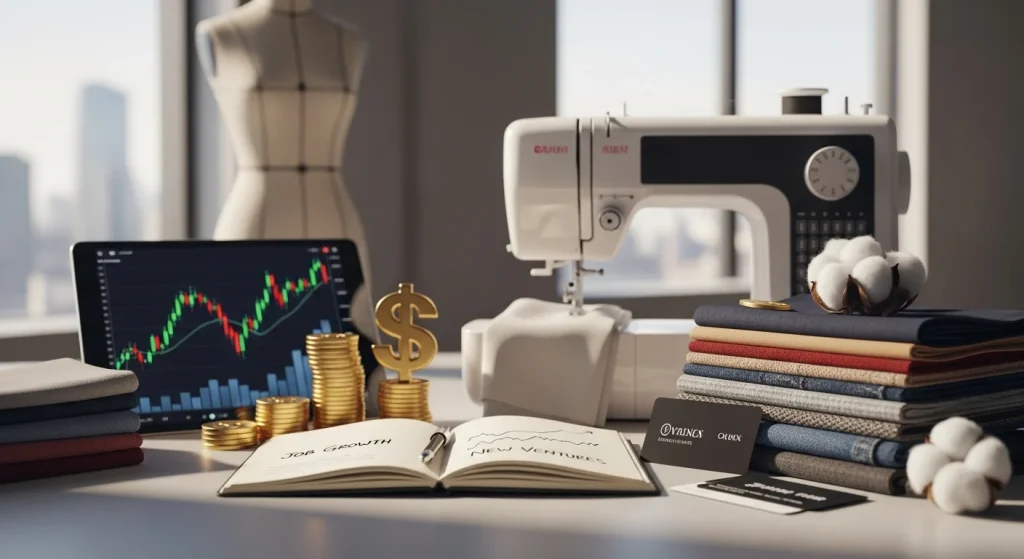
Several powerful forces are converging to fuel the significant expansion of the global fashion sector. Understanding these drivers is crucial to grasping the industry’s current momentum and future direction.
Perhaps the most impactful driver is the relentless march of digitalization. The rise of e-commerce platforms has democratized fashion, making brands accessible to a global audience with just a few clicks. This digital shift encompasses:
The fashion industry’s growth is heavily influenced by its expanding global footprint. Emerging economies, particularly in Asia-Pacific, Latin America, and Africa, are experiencing rising disposable incomes and a burgeoning middle class. This demographic shift translates into increased consumer spending on fashion, opening up vast new markets for international brands and fostering the growth of local fashion industries.
A profound shift in consumer consciousness towards environmental and social responsibility is reshaping the industry. Consumers are increasingly demanding transparency, ethical labor practices, and eco-friendly materials. This has led to:
Technology is not just about sales channels; it’s revolutionizing production and design. The growing fashion industry is embracing:
Generational shifts are profoundly influencing fashion trends and purchasing behaviors. Gen Z and millennials, in particular, prioritize:
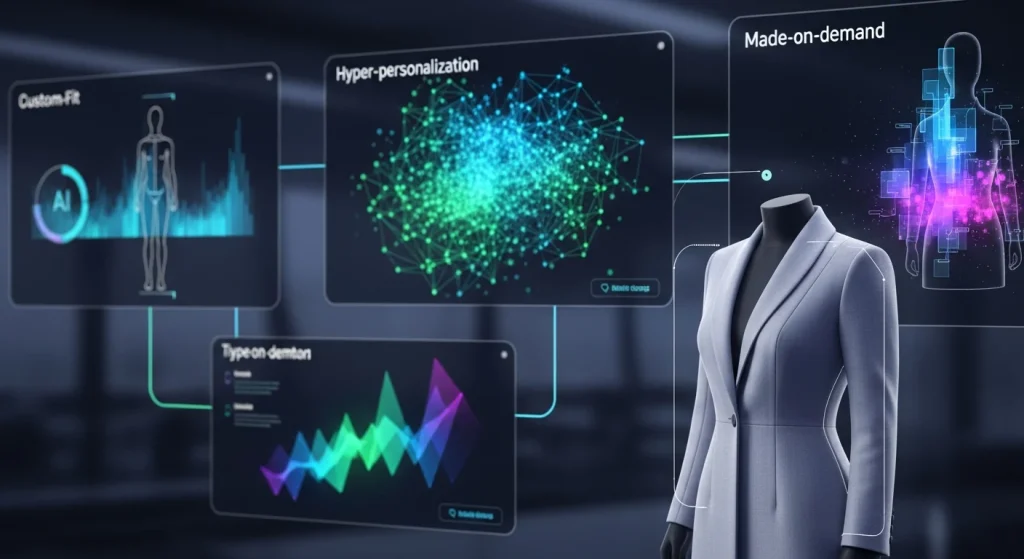
The expansion of the fashion sector brings a wave of economic, social, and creative impacts, alongside significant opportunities for innovation and entrepreneurship.
The fashion industry is a major contributor to global GDP, generating billions in revenue annually and supporting millions of jobs across design, manufacturing, retail, marketing, and logistics. Its growth stimulates economic activity in related sectors, from textile production to technology development.
A dynamic industry fosters innovation. New business models, such as direct-to-consumer (DTC) brands, subscription boxes, and hyper-niche labels, are thriving. The lower barriers to entry provided by e-commerce allow independent designers and small businesses to compete on a global scale, injecting fresh creativity into the market.
However, this rapid growth is not without its hurdles. The industry grapples with:
Looking ahead, several trends are poised to define the trajectory of the growing fashion industry.
Leveraging AI and data analytics, brands will offer increasingly tailored products, recommendations, and shopping experiences. From custom-fit garments made on demand to AI-driven style advice, personalization will move beyond basic segmentation.
The shift from a linear “take-make-dispose” model to a circular one will accelerate. Expect more widespread adoption of rental services, robust resale markets, repair programs, and innovative recycling technologies that can truly close the loop on textile waste.
The metaverse represents a new frontier for fashion. Digital clothing, NFTs (Non-Fungible Tokens) for virtual avatars, and immersive virtual shopping experiences are emerging as significant opportunities for brand engagement and new revenue streams. Fashion will exist both physically and digitally.
Consumers will demand even greater visibility into where and how their clothes are made. Technologies like blockchain will become standard for providing immutable records of a garment’s journey from raw material to retail, ensuring authenticity and ethical provenance.
To mitigate supply chain risks and respond faster to market demands, some brands may opt for manufacturing closer to their primary markets. This could lead to a resurgence in local production and a diversification of sourcing strategies.
The growing fashion industry is a testament to human creativity, innovation, and adaptability. Fueled by digital transformation, global market expansion, and a profound shift in consumer values towards sustainability, it continues to evolve at an astonishing pace. While challenges persist, particularly concerning environmental impact and ethical practices, the opportunities for innovation, entrepreneurship, and positive change are immense.
For businesses, understanding these drivers and trends is paramount for sustained success. For consumers, it means a more diverse, personalized, and potentially more responsible array of choices than ever before. The fashion industry is not just growing; it’s transforming into a more conscious, connected, and technologically advanced sector, promising an exciting future for all its stakeholders.
##FAQ##
The primary factors include the rapid expansion of e-commerce and digital platforms, the globalization of markets with rising disposable incomes in emerging economies, increasing consumer demand for sustainable and ethical fashion, and significant technological advancements like AI and AR/VR in design, production, and retail.
E-commerce has profoundly impacted the growing fashion industry by democratizing access for brands and consumers globally, reducing geographical barriers, and enabling direct-to-consumer models. It has also facilitated the rise of social media marketing and personalized online shopping experiences, significantly boosting sales and brand reach.
Sustainability plays a crucial role as consumers increasingly prioritize ethical and environmentally friendly practices. This demand drives brands to adopt sustainable sourcing, implement circular economy models (rental, resale, repair), and enhance transparency in their supply chains, becoming a key differentiator and growth area.
Beyond e-commerce, technology is transforming the fashion industry through AI for trend forecasting and personalization, 3D printing for design and production, smart textiles for functional apparel, and blockchain for supply chain traceability. These innovations are enhancing efficiency, creativity, and consumer experience.
Yes, significant challenges include managing complex global supply chains, mitigating the industry’s substantial environmental footprint (waste, water, emissions), navigating intense market competition, and ensuring ethical labor practices across manufacturing hubs worldwide.
Future trends include hyper-personalization driven by AI, widespread adoption of circular fashion models (rental, resale, repair), the emergence of digital fashion and the metaverse, enhanced transparency and traceability through technologies like blockchain, and potential shifts towards reshoring or nearshoring production for supply chain resilience.
Changing consumer preferences, especially among younger generations, significantly influence growth by driving demand for personalization, value-driven purchasing (sustainability, ethics), comfort, versatility (e.g., athleisure), and experiential shopping. Brands that align with these evolving values are better positioned for growth.