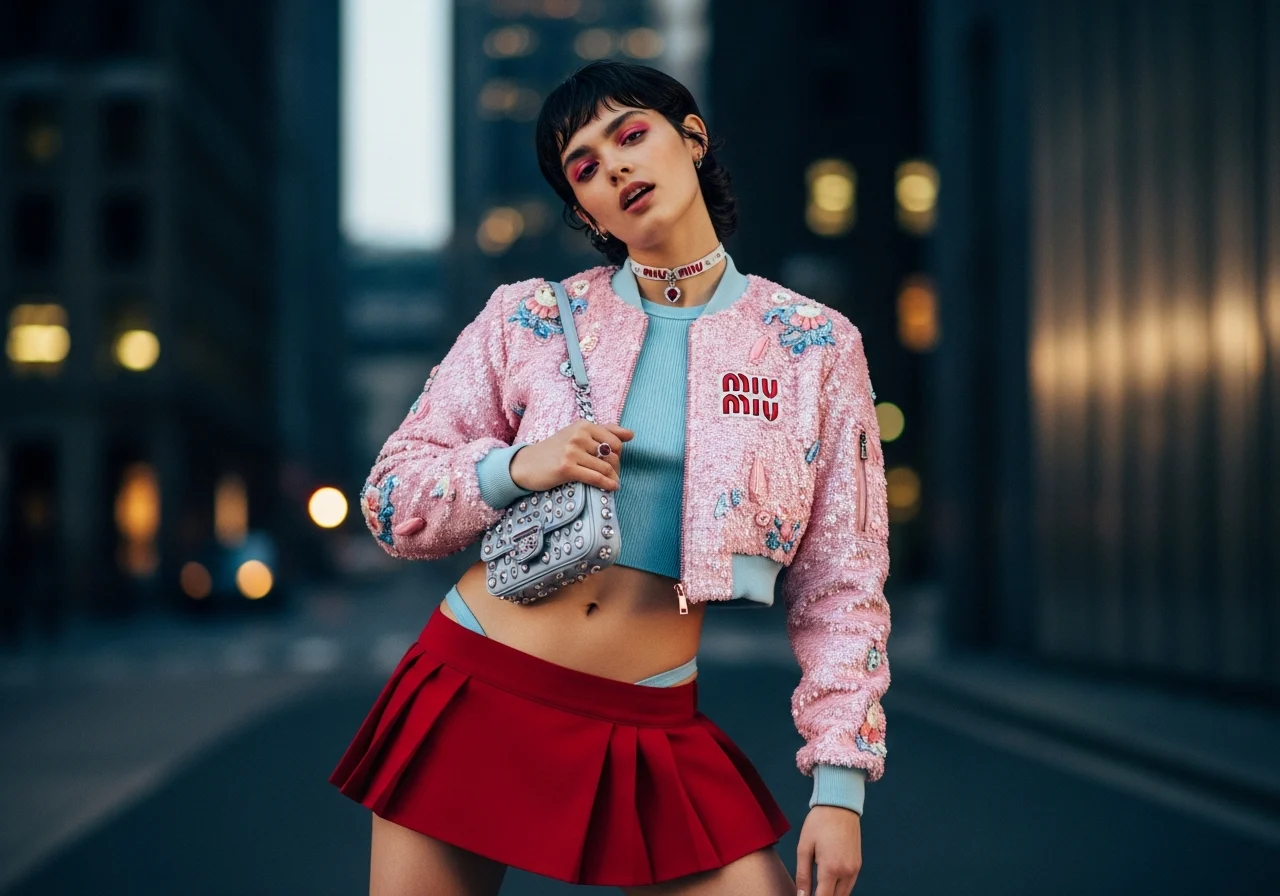
In the high-stakes world of high-end fashion, a seismic shift is underway. The traditional playbook for attracting affluent shoppers is gathering dust, replaced by a new set of rules dictated by a generation unlike any before it: Gen Z. These young consumers, born roughly between 1997 and 2012, are not just future buyers; they are already shaping what luxury means, how it’s perceived, and how it’s bought. For high-end labels, understanding this group is no longer optional; it’s essential for staying relevant and securing a place in their wallets and on their social feeds.
The journey to connect with this particular demographic demands more than simply putting a fresh face on an old campaign. It requires a fundamental rethinking of brand identity, communication methods, and even product offerings. This article explores the current difficulties high-end fashion houses encounter and highlights effective approaches, using a prominent example like Miu Miu to show how some brands are successfully connecting with this powerful new market segment.
Decoding Younger Luxury Consumer Behavior
To truly grasp how to connect with Gen Z, one must first understand what makes them tick. Their approach to spending, particularly on luxury goods, is quite different from their predecessors. For them, a product’s price tag or a brand’s heritage alone isn’t enough. They look deeper, seeking values that align with their own and experiences that resonate personally.
Authenticity Above All: Gen Z can spot a marketing ploy from a mile away. They crave genuine stories, real connections, and brands that stand for something beyond profit. A brand’s actions, not just its words, speak volumes to this group.
Digital Natives with Discerning Tastes: Having grown up with smartphones in hand, social media is their primary information highway. They discover brands, research products, and form opinions through platforms like TikTok, Instagram, and YouTube. A brand’s digital presence is, for them, its primary storefront.
Experiences Over Possessions: While they appreciate beautiful items, Gen Z often values the story, the memory, or the feeling associated with a purchase more than the item itself. A luxury purchase might signify a personal milestone, a shared moment with friends, or an expression of identity.
Conscious Consumption: Issues like sustainability, ethical production, and social justice are not footnotes for Gen Z; they are core considerations. They expect brands to be responsible citizens, transparent about their practices, and actively contribute to a better world. Labels ignoring these aspects do so at their own risk.
Fluid Identity and Personal Expression: This generation views personal style as a fluid form of self-expression. They are less bound by traditional gender norms or rigid fashion rules, seeking pieces that allow them to convey their unique personalities.
Luxury Brand Gen Z Challenges: Old Ways Meet New Demands
For many established high-end labels, adapting to these new consumer preferences presents a significant hurdle. Decades of tradition and a reliance on proven strategies often clash with Gen Z’s fast-paced, digitally focused, and values-driven world. Here are some of the primary difficulties:
The Exclusivity Paradox: Luxury has long been about aspiration and limited access. However, Gen Z, while still desiring special items, also values inclusivity and community. Brands must find a delicate balance between maintaining their elite status and making their world feel more open and relatable.
Slow Pace vs. Rapid Trends: The fashion cycle, especially in the luxury sector, has historically moved at a stately pace. Gen Z, influenced by TikTok trends and micro-seasons, expects constant novelty and quick responses to cultural shifts. This discrepancy can make traditional brands seem out of touch.
Traditional Marketing’s Decline: Glossy magazine ads and grand billboard campaigns hold less sway with a generation that trusts peer reviews, influencer content, and authentic user-generated material more. Shifting marketing budgets and strategies to digital-first approaches can be a complex and sometimes uncomfortable transition.
Price Points and Financial Realities: While Gen Z has spending power, many are still early in their careers or managing student debt. High-end brands must consider entry-level products or creative ways to make their offerings accessible, or at least aspirational and attainable, for this younger group.
Authenticity Deficit: Brands with long histories can sometimes struggle to convey genuine values if their past actions don’t align with current ethical expectations. Rebuilding trust and demonstrating real commitment to issues like sustainability requires more than just marketing; it requires fundamental operational changes.
Miu Miu Gen Z Appeal: A Blueprint for Success
Amidst these difficulties, some brands are shining examples of how to connect with Gen Z. Miu Miu, Prada’s younger sibling brand, stands out for its particularly strong Gen Z appeal. How have they managed to capture the attention and adoration of this discerning demographic?
Miu Miu has successfully positioned itself as a brand that understands and speaks directly to the current generation without sacrificing its luxury credentials. Their approach is a fascinating study in modern luxury marketing:
Riding the Micro-Trend Wave: Miu Miu has shown a remarkable ability to tap into and even set micro-trends that resonate deeply with Gen Z. Their famous mini-skirts, ballet flats, and preppy-meets-playful aesthetic align perfectly with Y2K nostalgia and the current appetite for distinct, somewhat quirky styles. They don’t just follow trends; they often help define them.
Strategic Celebrity Endorsements: Instead of relying solely on established supermodels, Miu Miu frequently partners with young, relevant celebrities and influencers who are Gen Z idols. Think Sydney Sweeney, Emma Corrin, or Ever Anderson. These partnerships feel organic and allow the brand to reach a massive, engaged audience through credible voices.
A Distinct Brand Identity: Miu Miu offers a playful, feminine, and slightly rebellious spirit that feels fresh and exciting. It’s a brand that doesn’t take itself too seriously but maintains an aura of desirability. This distinct personality allows Gen Z to use its pieces as a form of personal expression, a key motivator for their purchases.
Mastering Digital Storytelling: The brand excels at creating visually captivating content for social media. Their campaigns are often artful, sometimes whimsical, and always shareable. They understand that a scroll-stopping image or video is crucial for capturing fleeting attention in a crowded digital space.
Accessible Entry Points: While Miu Miu remains a high-end label, it often offers items like accessories, footwear, or smaller bags that, while still luxurious, might be slightly more attainable for younger consumers looking for their first significant luxury purchase. This strategy creates a pathway into the brand’s universe.
Fostering a Sense of Community: Through its aesthetic and communication, Miu Miu creates a feeling of belonging for its wearers. It’s a brand for those who appreciate a certain kind of playful sophistication, giving its fans a shared identity.
A Gen Z Luxury Brand Strategy: A Blueprint for Connection
For other high-end labels looking to attract this crucial demographic, the path forward involves adapting key strategies. Here’s a blueprint for building a strong Gen Z luxury brand strategy:
Be Genuinely Authentic: Define your brand’s core values and live them. Transparency in production, ethical sourcing, and genuine social responsibility are not just buzzwords; they are requirements. Tell your brand’s true story, imperfections and all.
Prioritize Digital Channels: Invest heavily in your digital presence. This means more than just having an Instagram account. Develop engaging content for TikTok, explore new platforms, partner with relevant digital creators, and ensure your e-commerce experience is flawless and intuitive.
Cultivate Experiences, Not Just Products: Think beyond the transaction. Can you offer exclusive digital events, interactive content, or unique in-store experiences that create lasting memories? A luxury purchase can be a gateway to a larger brand universe.
Conscious Creation and Communication: Integrate sustainability and ethical practices into every part of your business. Then, communicate these efforts clearly and honestly. Gen Z wants to support brands that make a positive impact.
Foster a Community: Create spaces, both online and offline, where your customers can connect with each other and with your brand. Encourage user-generated content, host events, and make your customers feel like they are part of something special.
Thoughtful Product Strategy: Consider offering a range of products that include both aspirational, high-ticket items and more accessible entry points. Collaborations with artists, designers, or even other brands can also generate excitement and reach new audiences.
Stay Agile and Responsive: The digital world moves fast. Be prepared to adapt quickly to new trends, technologies, and cultural shifts. Listen to what your younger consumers are saying and be willing to experiment.
The Future of High-End Shopping
The rise of Gen Z as a dominant consumer force represents both a difficulty and a huge opportunity for luxury brands. Those that succeed will be the ones that understand this generation’s values, speak their language, and offer them more than just beautiful products—they will offer meaning, community, and a chance for genuine self-expression. The brands that refuse to adapt risk becoming footnotes in the ever-changing story of luxury. The time to reconsider approaches is now, ensuring a lasting connection with the shoppers who will define the market for decades to come.
S.elective Shopping
A considered guide to what matters now — and how it is worn.
By signing up, you confirm acceptance of the User Agreement and acknowledgment of the Privacy Policy.
S.elective speaks in the international language of fashion, tracing the forces and ideas that shape how style moves across cities and cultures. Rare conversations with influential voices meet imagery created by the creative minds defining the present moment. Global. Vibrant. Enduring. Positioned within the industry, resonating far beyond it — a space of clarity, curiosity, and lasting perspective.