Accessories have always occupied a curious place in fashion. Clothing may introduce a first impression, but it is often the details — a handbag carried for years, a particular texture, a material chosen almost instinctively — that reveal personality more accurately. Fashion history repeatedly proves that small objects often leave the strongest visual memory.
For nearly a century, Furla has developed its identity around precisely this idea. Founded in Bologna in 1927 by Aldo Furlanetto, the Italian House began as a family business before growing into an internationally recognized accessories name. Throughout its history, Furla built a reputation through leather craftsmanship and a design language rooted in Italian aesthetics. Interestingly, while many brands changed ownership structures repeatedly over the decades, Furla maintained strong family ties across generations. This continuity quietly became part of the House identity itself.

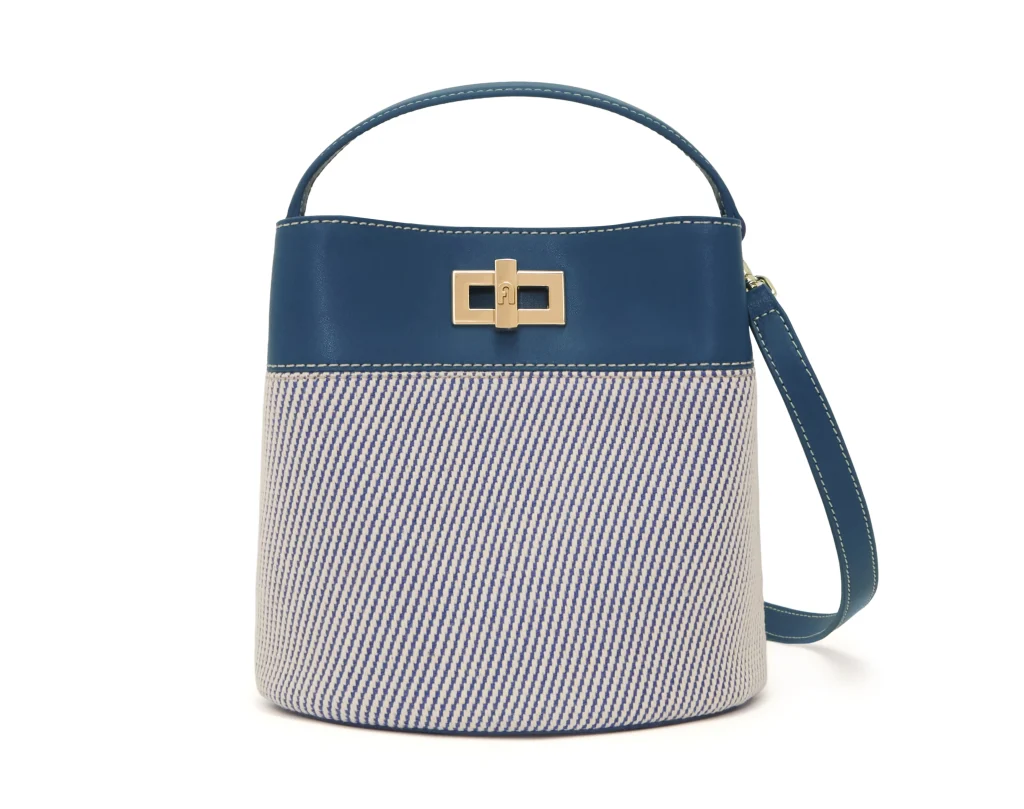
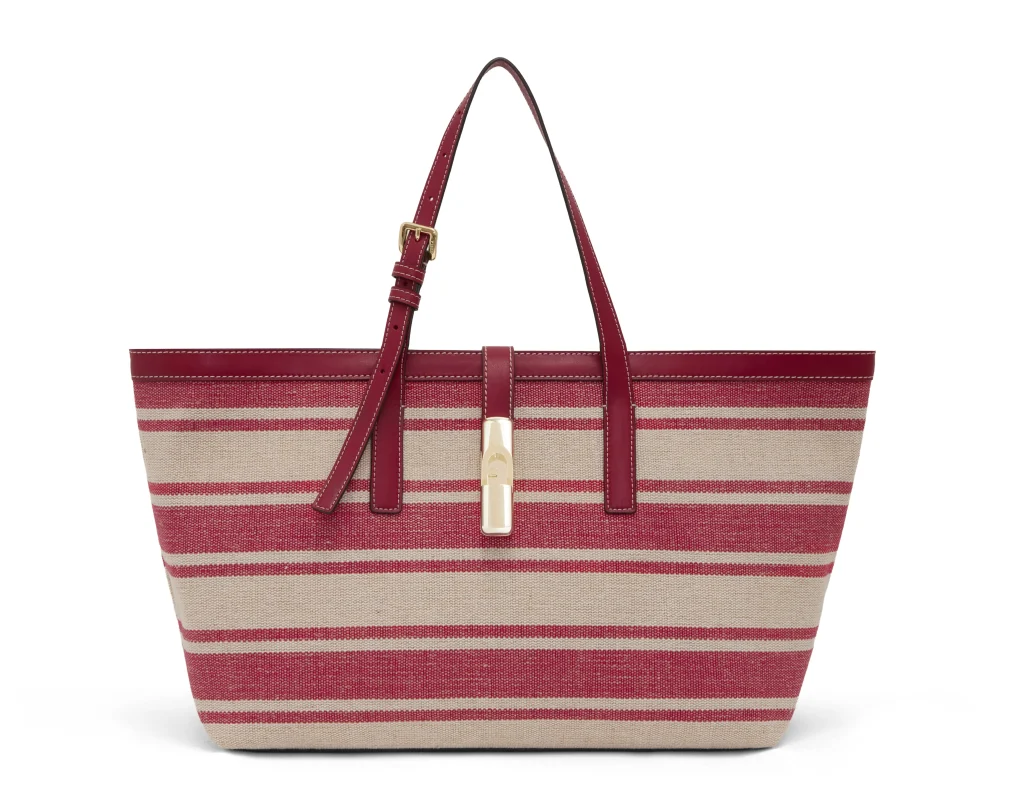
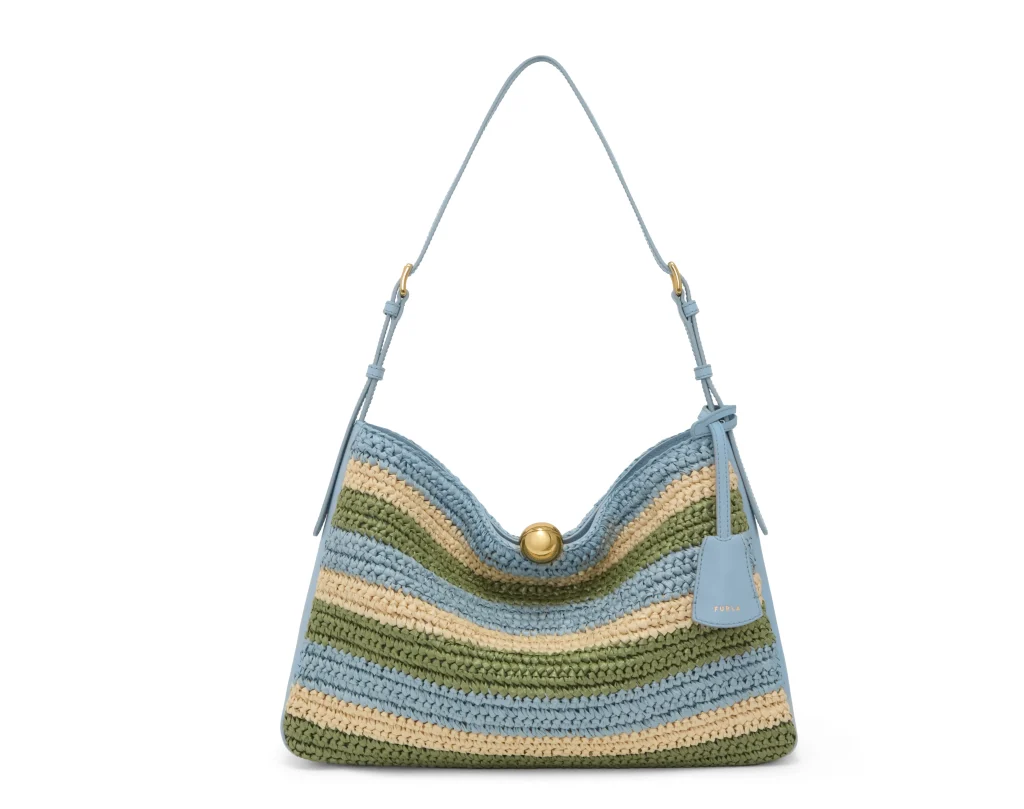
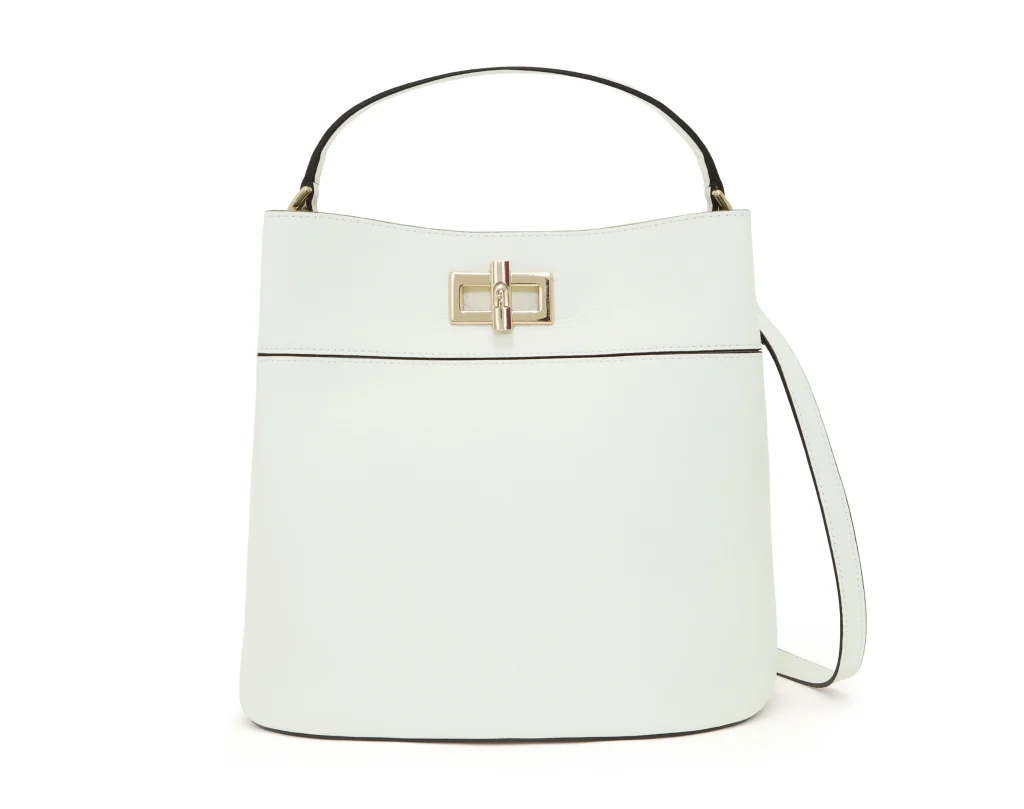
Certain brands rely on visibility through logos and symbols. Furla has often approached fashion differently, allowing materials and craftsmanship to carry much of the conversation. Its latest creative direction explores harmony through contrast, bringing together surfaces and textures that might initially appear unrelated. Smooth leather meets structured canvas, while crochet raffia introduces another dimension entirely. The interaction between these materials creates movement and visual rhythm, allowing each surface to alter the character of the next.
There is something particularly interesting about the way texture functions in fashion. Color often speaks immediately; texture usually takes longer. It asks for a closer look. Certain details reveal themselves only gradually, through craftsmanship and construction rather than decoration. That idea remains visible throughout Furla’s approach. Finely worked leather sits beside textured fabrics and handcrafted elements with a sense of ease, creating a dialogue between traditional methods and contemporary design. Familiar materials suddenly feel different simply because they appear in new relationships.
Italian craftsmanship has long relied on patience and precision, qualities that frequently remain invisible to the eye at first glance. Yet some of the strongest design decisions often work quietly. A stitch, a surface treatment, or the way one material transitions into another can entirely change how an object feels.
The interaction between texture and color also introduces another layer. Shades move softly across surfaces, allowing materials themselves to become central characters. Nothing appears excessive; attention remains focused on proportion, composition, and construction.