For a long time, showing off wealth meant wearing a famous logo. People wanted others to see the name of a well-known company on their clothes or accessories. That flashy label was how you told the world you had money. But things are changing quite a bit. A new way of thinking about luxury is taking hold, one where what something is made from counts for more than any stamped brand name. Today, genuine substance, the very stuff an item is built with, shows status in a way no logo ever could. This article looks at how the quality of materials now sets the standard for true high-end goods, attracting those who really appreciate what things are made of.
There was a time when the biggest, most obvious brand mark meant everything. If you carried a bag or wore a shirt with a very clear, recognizable emblem, everyone knew what it was. This was a straightforward way to show you could afford expensive things. The brand served as a kind of public announcement, a declaration of taste and financial standing. People bought items specifically for this outward display, wanting others to immediately recognize the maker and the price tag that came with it. The idea was simple: if it had a famous name on it, it had to be good, and everyone around you would see your good fortune.
Now, however, a different sort of luxury is becoming popular. It’s less about shouting a name and more about a quiet confidence that comes from owning something truly well-made. This change reflects a growing desire for authenticity and lasting worth. People are starting to look past the surface-level recognition of a logo to what lies underneath: the actual construction and the raw materials. This focus on quality over brand luxury means that the true value of an item is found in its components and how carefully they are put together, not just in its maker’s mark. It is a more thoughtful approach to what makes something special and worth its price.
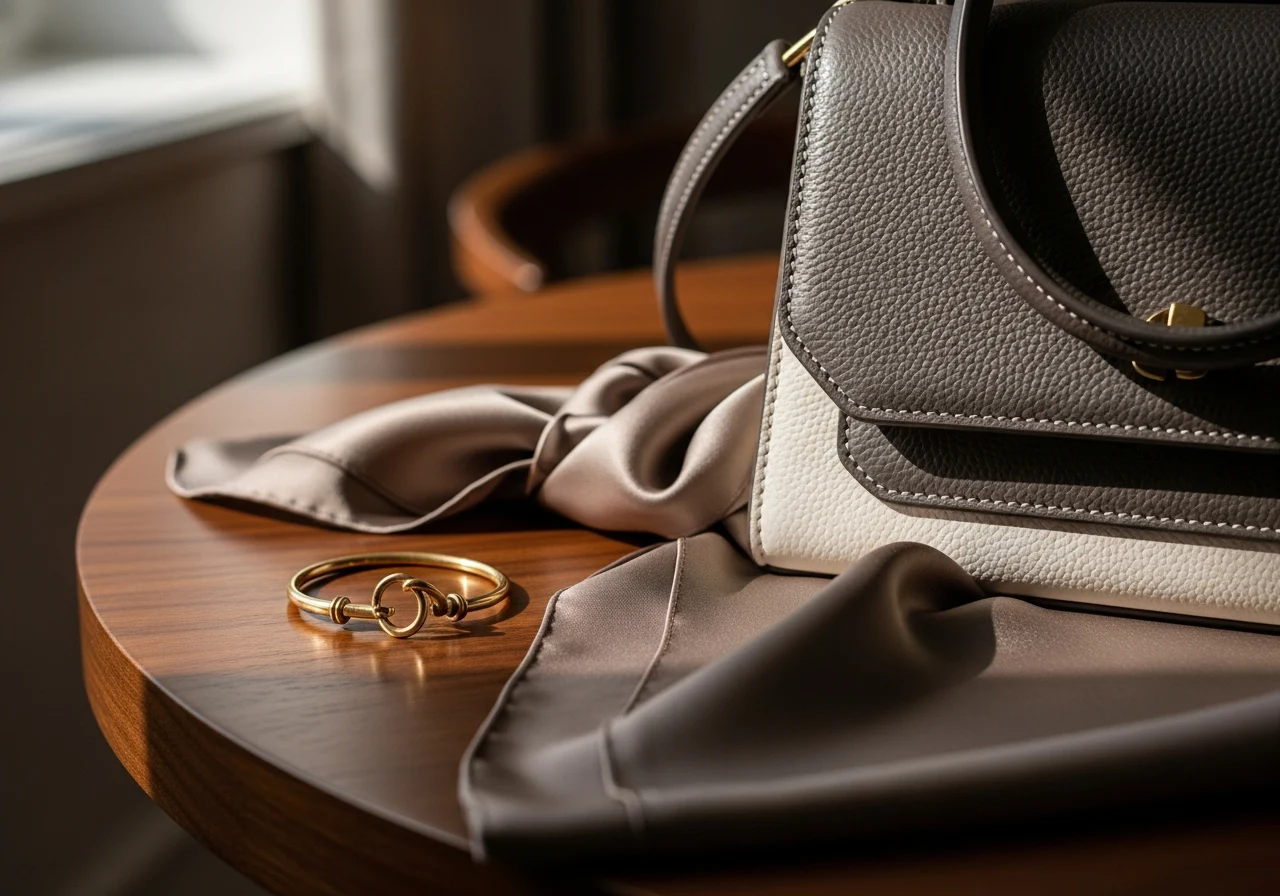
Imagine running your hand over a piece of cloth. Does it feel rough, or does it feel incredibly soft, almost like liquid? This sensation, this direct contact with a material, is what we mean by the tactile luxury experience. In the current luxury world, touch has become the main test. It’s about the immediate impression a fabric makes on your skin, the way it drapes, the subtle weight it carries. These physical traits speak volumes without a single word or logo. When something feels truly wonderful to the touch, it communicates a level of craftsmanship and material excellence that no visible branding can match. It is a personal, intimate connection to the item’s worth, a feeling that stays with you.
When we talk about textiles that define this new understanding of status, one name often comes up: Loro Piana. This Italian company is a shining illustration of how Loro Piana quality has made a brand famous not for its logos, but for the extraordinary nature of its fabrics. They do not need loud branding because the materials themselves do all the talking. Their cashmere, their vicuña, their fine wools – these are celebrated for their unbelievable softness, their durability, and the way they feel against the skin. Owning something from Loro Piana is not about showing off a label; it is about knowing you have a piece made from some of the finest fibers found anywhere, a true testament to the importance of raw material.
What makes a fabric truly high-end? It is a mix of age-old knowledge and clever new methods. Think about the source of the fibers: cashmere from specific goats, vicuña from rare animals, or silk from carefully tended silkworms. Then consider the process: how these fibers are gathered, cleaned, spun into threads, and then woven or knitted. Every single step requires great skill and patience. The right yarn thickness, the weave pattern, the finishing treatments – these all contribute to the final feel and look. This deep attention to detail, from the raw material to the finished cloth, gives high-end textile importance its true meaning. It is a dedication to perfection that results in materials that are not just beautiful, but truly exceptional.
The worth of luxury items is no longer just about the company name; it is about the actual stuff they are made of. This shift means consumers are becoming more educated about textiles, understanding the differences between grades of cashmere, types of wool, and qualities of leather. They are looking for items that will last, that feel good to wear, and that hold their special qualities over time. This new appreciation for luxury material value means people are willing to pay more for a simple, unbranded sweater made from superior cashmere than for a heavily logoed one made from lesser materials. The investment is in the substance, the longevity, and the sheer pleasure of owning something truly fine.
The person buying luxury goods today is often a conscious consumer. This individual cares about where things come from, how they are made, and what impact they have. They are not easily swayed by marketing tricks or flashy advertisements. Instead, they seek out items that represent genuine worth and ethical production. For these buyers, the fabric of an item is a key indicator of its overall quality and integrity. They value the skill involved in creating a magnificent fabric and the way it feels, rather than just the brand name. This preference for substance over simple symbols is driving a big change in the luxury market, pushing companies to focus more on the real quality of their goods.
So, what does it all mean? It means that the way we think about status and luxury has grown up a bit. It is less about showing off and more about a personal connection to quality. The feel of a fine wool, the gentle touch of cashmere, or the smooth coolness of high-grade silk now speaks volumes about a person’s taste and understanding of true value. Fabric as status symbol represents a quieter, more informed kind of wealth, one where the real luxury is in the material itself. It is a movement towards a more refined appreciation, where knowing and feeling the difference in quality is the truest mark of distinction.