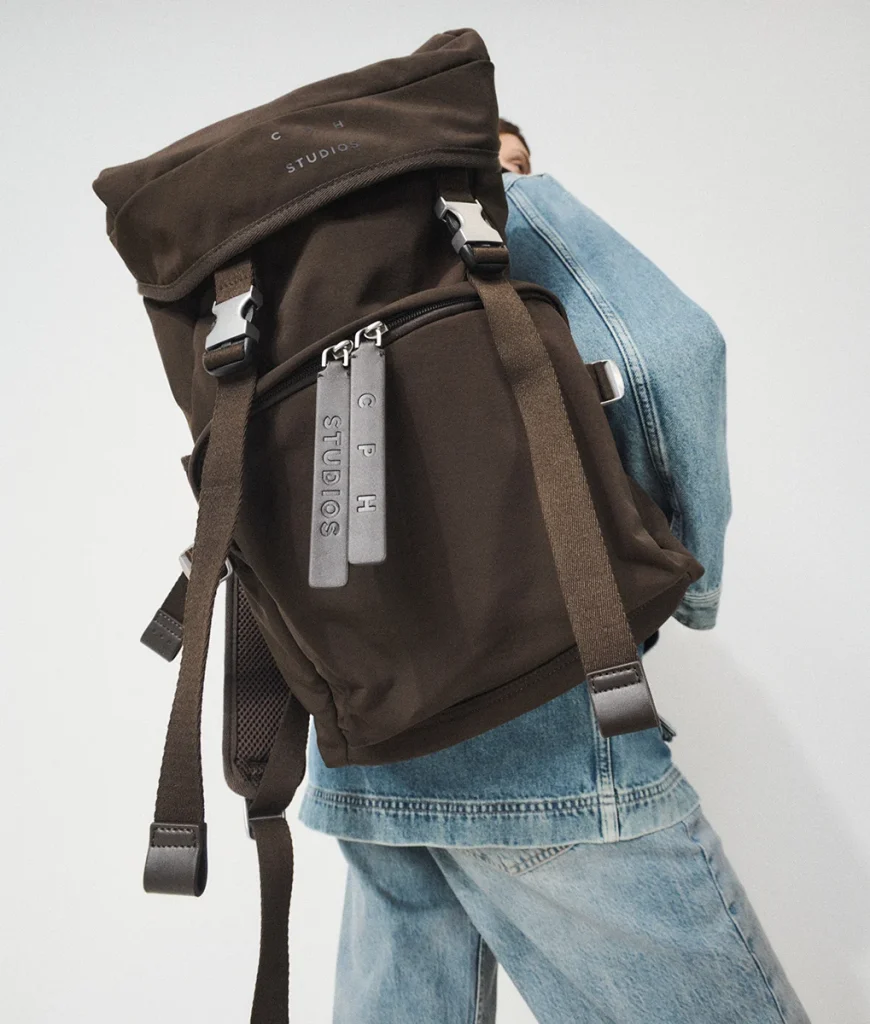
Denmark has spent the last two decades accomplishing something few countries in fashion manage successfully: transforming a local design philosophy into a global point of reference. While Paris perfected theatrical elegance and Milan built empires around glamour and craftsmanship, Copenhagen developed a different conversation entirely — one centered on wearability, intelligent design, and the subtle confidence of clothing that does not require explanation. Quietly. Consistently.
The numbers support the shift. According to figures from Copenhagen Fashion Week, fashion has become Denmark’s third-largest export industry, with exports increasing by approximately 84% since 2006. Fashion in Denmark no longer functions as a regional story. It became an economic language and a cultural export simultaneously.
There is perhaps a reason for that. Danish fashion rarely attempts seduction through excess. Instead, it understands something modern consumers increasingly value: clothes and accessories should participate in life rather than interrupt it. Design there often arrives with a certain restraint, though restraint should never be confused with simplicity. The distinction matters.
And then came Copenhagen Fashion Week.
Over recent years, what was once viewed as a smaller European event gradually established itself as one of the industry’s most closely observed platforms. Editors, buyers, photographers, stylists, and major luxury groups increasingly shifted their attention northward. The reasons extended far beyond street style photographs.
Copenhagen Fashion Week became the first major fashion week to introduce formal sustainability requirements for participating brands — a decision that fundamentally altered conversations throughout the wider industry. Suddenly Copenhagen occupied a position many larger capitals spent years discussing but rarely implementing. Could fashion’s future have arrived from one of its quieter corners?
The atmosphere surrounding the city itself perhaps explains part of its attraction. Outside show venues, fashion appears less staged and more instinctive. Tailoring meets sneakers. Technical outerwear appears beside vintage pieces. Formality dissolves. Individuality takes over.
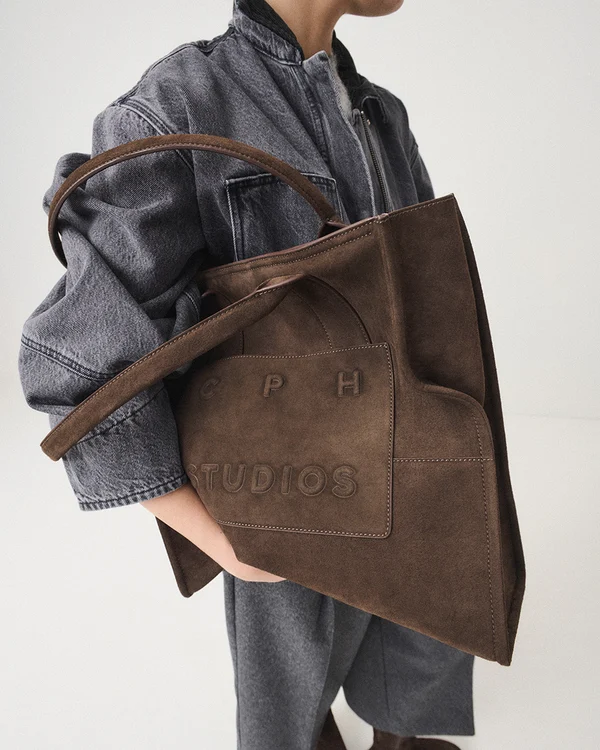
Which brings the conversation naturally toward Copenhagen Studios.
Because certain collections feel less like seasonal exercises and more like observations about how people actually want to live.
The FW26 collection approaches design through a conversation between athletic references and urban precision. Not through nostalgia. Not through excessive decoration. Through structure. Through proportion. Through movement.
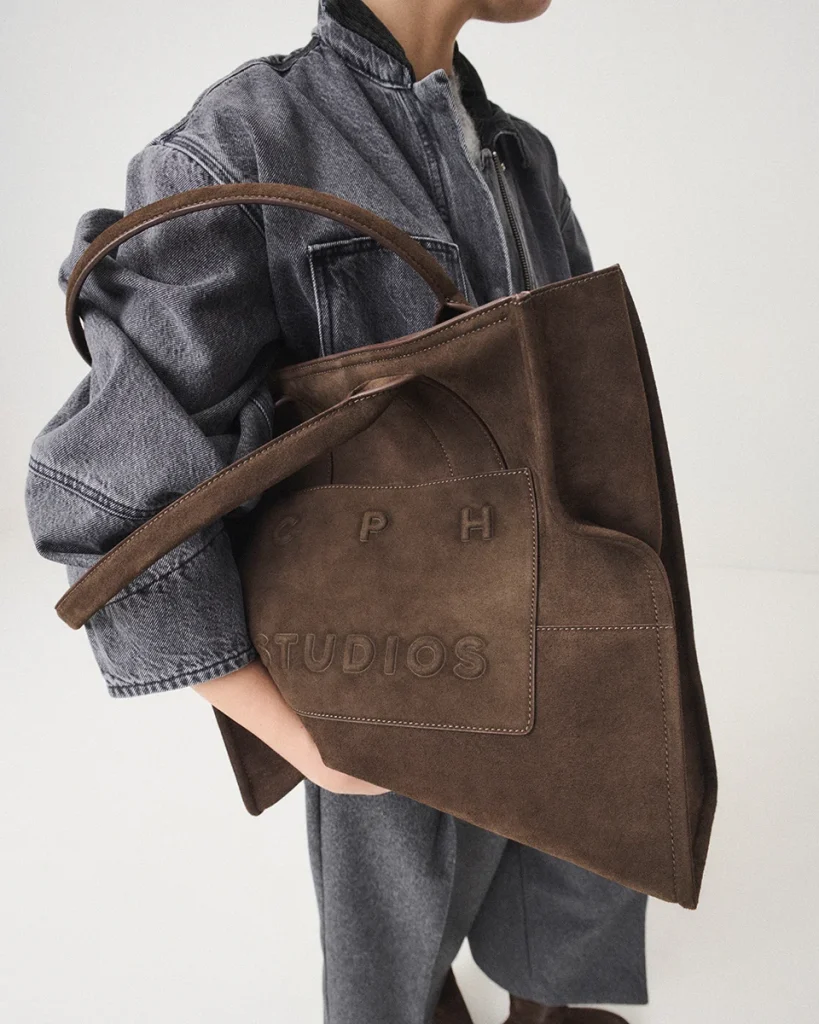
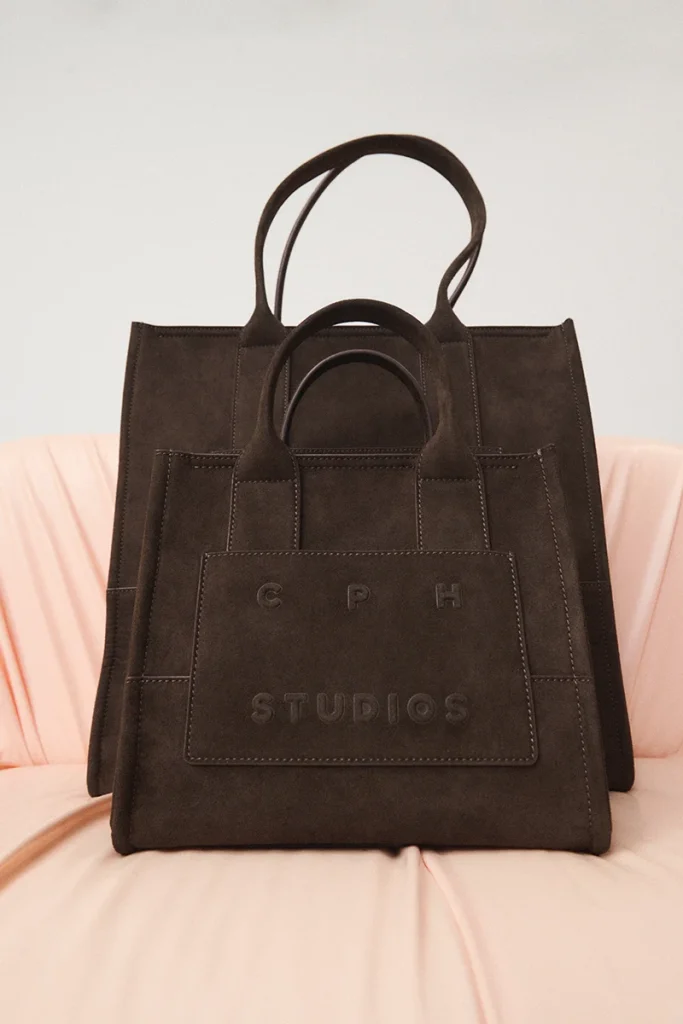
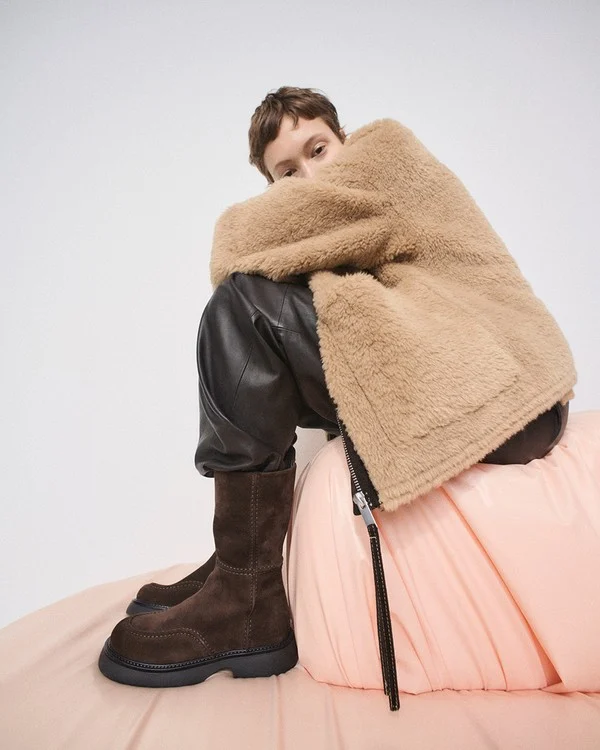
At the center sits a rich tonal study described as “50 Shades of Brown,” moving across chocolate, espresso, tobacco, caramel, and weathered earth tones. Vintage surface treatments create visual depth, while leather sourced from Italian LWG-certified tanneries introduces another layer of refinement. Color here becomes architecture.
Then comes the CPH759 Sporty Boot — perhaps the clearest statement inside the collection. Athletic minimalism meets sculptural sole construction through a silhouette that immediately alters proportion. Graphic finishes in patent surfaces and vintage leather treatments create stronger visual tension. It carries presence without forcing attention. The CPH900 shifts direction slightly, introducing biker references interpreted through belt-inspired buckle details and lighter sole construction. Strength appears there, certainly, but with movement replacing heaviness. Elsewhere, the Sporty Biker category expands through multiple heights and versions, with optional lambskin interiors introducing warmth and practicality simultaneously. Function remains central. Yet aesthetics never disappear.
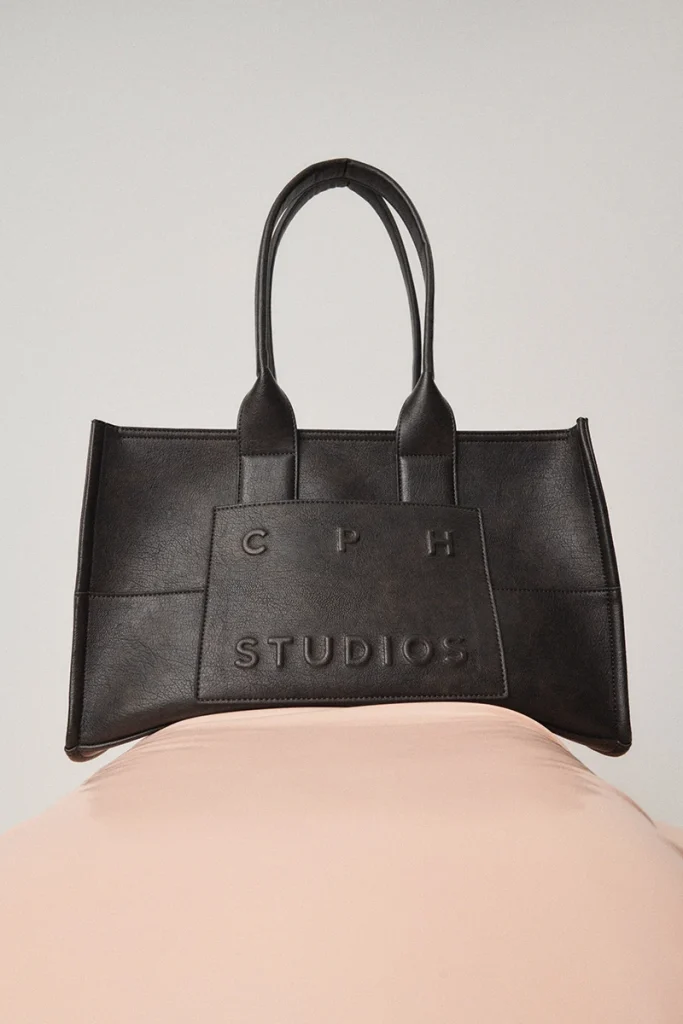
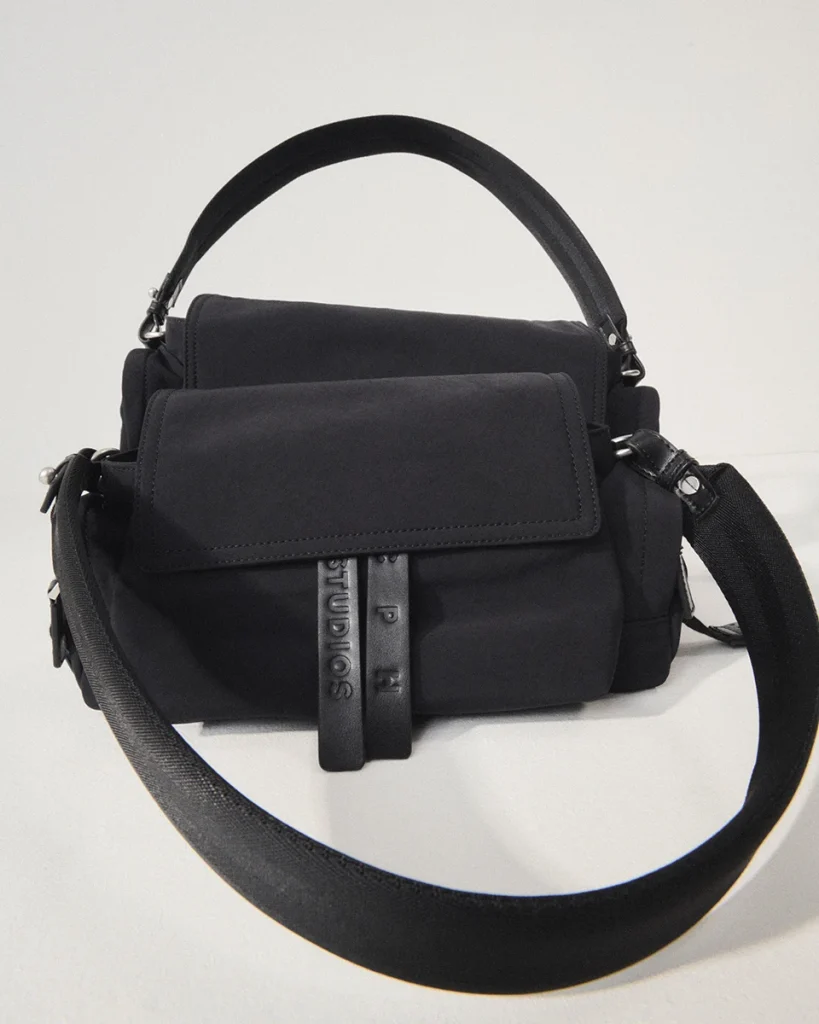
The CPH Flat Boot series continues the conversation through Chelsea references, contemporary loafers, and flatter sole constructions designed around movement through city life. Slip-on functionality and carefully placed branding details maintain the visual discipline that increasingly defines Copenhagen Studios itself.
Interesting, perhaps, how fashion repeatedly returns to the same question.
What do people actually want now?
Not performance. Not complexity for its own sake. Increasingly, people appear drawn toward clothing and accessories capable of moving naturally between different versions of life. Morning meetings. Airports. City streets. Weekends away.
Copenhagen understood this years ago.
The rest of fashion simply took longer to notice.