Something interesting has happened in the world of clothing. What was once seen as a niche pursuit for bargain hunters or collectors has grown into a major part of mainstream style. Secondhand Fashion Trends are not just a fleeting moment; they represent a significant change in how people acquire and wear clothes. This movement shows a growing appreciation for items with a past, challenging the long-held idea that new is always best. People are looking for something different, something with character, and older clothes provide just that.
The reasons for the widespread appeal of pre-owned clothing are many. For starters, there is the excitement of finding something truly unique. In a world where mass-produced items are everywhere, a pre-loved garment offers a chance to stand out. Each piece often carries its own story, giving a wearer a connection to something beyond the present day. This distinctiveness helps individuals create a personal look that cannot be easily copied.
Another strong point is the environmental consideration. Buying used clothing helps reduce waste and lessens the demand for new production, which often uses many resources. This aspect resonates with a growing number of consumers who want to make more responsible choices. Furthermore, the financial advantage is clear. High-quality items, often from well-known designers, can be bought at prices far below their original cost, making luxury more accessible.
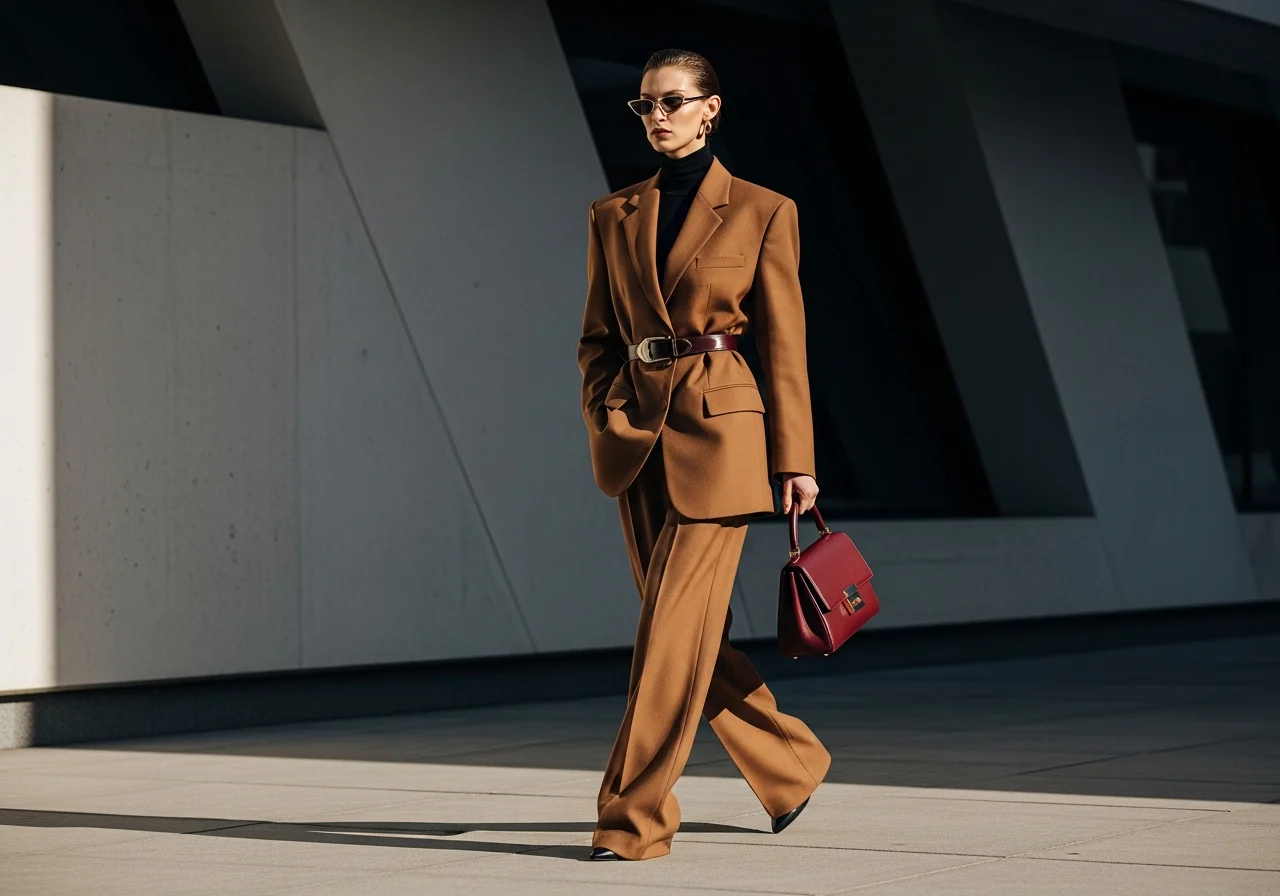
The rise of older fashion has been significantly boosted by public figures. Take, for instance, the way Bella Hadid vintage fashion selections have influenced popular culture. She is often seen wearing clothes from past decades, showcasing how these items can look utterly modern and cool. Her choices demonstrate that style does not always mean wearing the latest collection from a designer. Instead, it can come from carefully chosen pieces that have already lived a life.
When high-profile individuals like Hadid choose a unique piece from years gone by, it sends a powerful message. It shows that originality and individual taste are highly valued. This kind of endorsement has helped to legitimize shopping for old clothes, making it a credible and even aspirational way to dress for many people who follow style news.
The world of high-end fashion has also seen a big shift. The Luxury resale market is now a major player, offering a different way to experience designer items. Websites and stores specializing in authenticated pre-owned luxury goods have made it easier than ever to buy or sell designer bags, shoes, and clothing. This part of the market functions much like a stock exchange for fashion, where rare and sought-after items can even increase in value over time.
This segment directly competes with the traditional retail model of new luxury. Why buy a brand-new item when you can own a rare, historical piece from the same brand, sometimes for a similar or even lower price? The competition here is not just about cost; it’s about access to exclusivity and the thrill of owning a piece of design history that is no longer produced.
There is a deep satisfaction that comes from owning something with a story. The Fashion history appeal is a strong draw for many. It’s about more than just the fabric and stitching; it’s about the era it came from, the designer’s vision at that time, and the cultural context it represents. Collectors and enthusiasts actively seek out pieces from specific periods or by certain influential designers, building wardrobes that act as personal museums.
This interest leads directly to the concept of Archival fashion style. This means dressing with a focus on collecting and wearing significant pieces from past collections. It’s a way of celebrating the craft and creativity of previous decades, allowing these designs to be seen and appreciated again. Such a style approach encourages a deeper understanding of fashion’s evolution and highlights the enduring quality of well-made garments. It moves beyond fleeting trends, favoring items that hold their significance through the years.
The movement towards pre-owned clothing has cemented its place in how people think about personal style. It offers a counter-narrative to the constant push for newness, providing options that are distinct, often more responsible, and rich with history. As more people discover the joys of finding and wearing items from the past, the influence of secondhand fashion will only grow. It represents a mature and thoughtful approach to dressing, one that values individuality and enduring design.