What happens when one of fashion cinema’s most recognizable stories returns twenty years later? Nostalgia alone was never going to be enough. The Devil Wears Prada became far more than a successful film after its 2006 release; it entered fashion culture itself. Miranda Priestly became a reference point. Runway magazine became every aspiring editor’s fantasy. Entire generations still remember scenes, wardrobes, and sharp moments that continue circulating through fashion conversations today.
The original film arrived during a completely different era. Fashion magazines dictated trends, print publications carried authority, and editorial offices represented powerful worlds hidden behind glossy covers and closed doors. Ambition sat at the center of the story. So did impossible expectations, difficult choices, and the complicated relationship between professional success and personal identity. Fashion looked glamorous, but the pressure underneath was equally visible. Twenty years later, the sequel enters a landscape transformed almost beyond recognition.
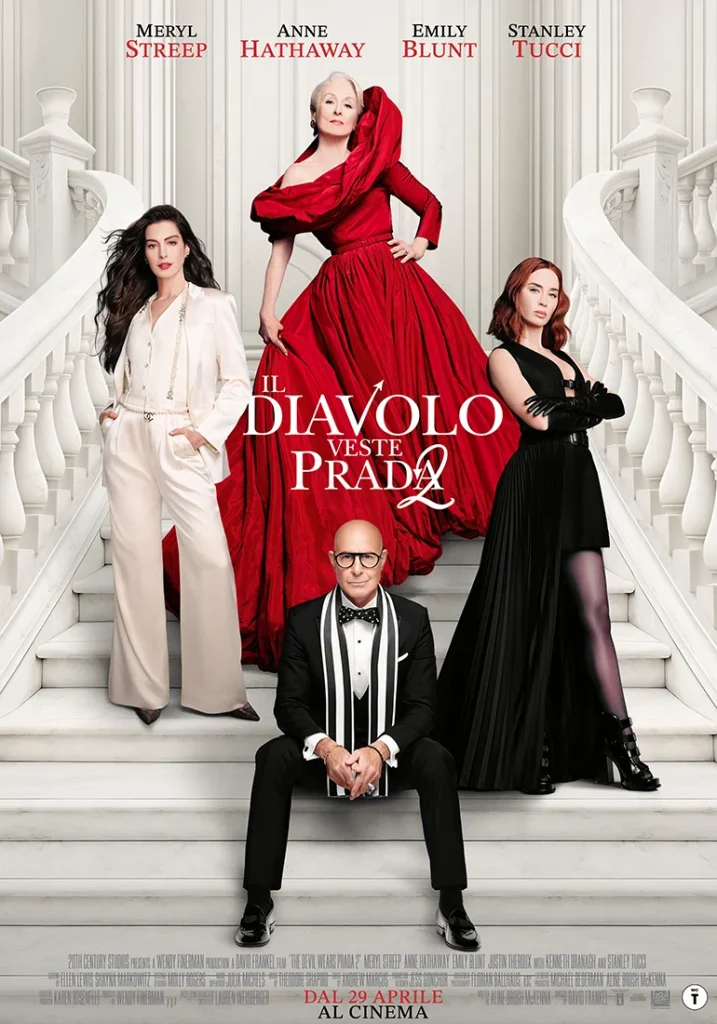
The return of Miranda Priestly and the Runway universe no longer takes place in a world controlled by monthly issues and editorial calendars. Social media dominates attention. Digital platforms move faster than print ever could. Artificial intelligence increasingly enters creative industries. News cycles shift by the hour. Influence no longer belongs exclusively to editors and publishing houses. And perhaps this becomes the sequel’s strongest decision.
Rather than attempting to recreate the exact formula of the original, the film places familiar characters into realities that feel much closer to current conversations. Miranda returns facing a changing media environment. Nigel moves through an industry evolving at extraordinary speed. Emily Charlton reappears in a powerful new role within luxury retail, entering a world that looks entirely different from the assistant audiences once knew. The difference between both films becomes impossible to ignore. The first film invited viewers into a fantasy. The second quietly asks what remains after the fantasy changes. Still, anyone expecting endless seriousness can relax.
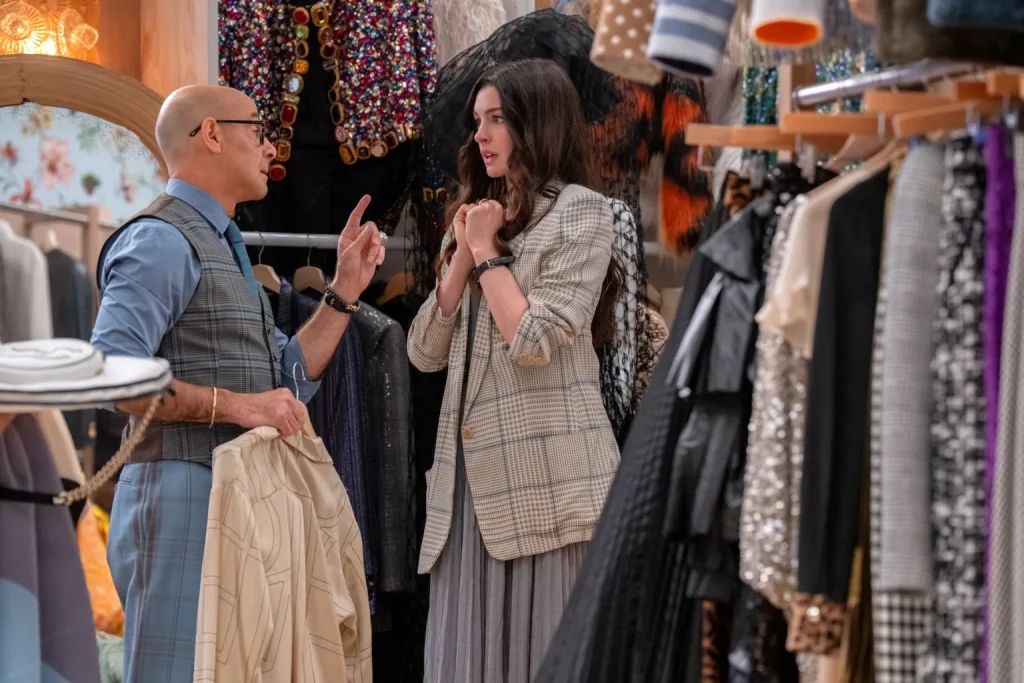
Designer wardrobes return. New York returns. Milan returns. Familiar faces, fashion personalities, and beautifully constructed visual moments remain part of the experience. The sharp humor is still present. So is the pleasure of watching characters audiences already know so well. Nostalgia never takes over the story completely, but it moves through it naturally.
For S.elective, this one deserves attention. Not simply because The Devil Wears Prada returns, but because it returns with an understanding that fashion, media, and culture never stand still. And honestly, who would willingly miss Miranda Priestly walking back into the room?
Photo: 20th Century Fox, Walt Disney Studios