Step right up, ladies and gentlemen, to the biggest show on Earth, long before the curtain ever rises. We’re talking about that crimson stretch of fabric, the global stage where fame, fashion, and fortune collide: the Red Carpet as a Media Platform. What once served as a simple walkway for dignitaries has exploded into a sophisticated, multi-billion dollar enterprise, a central hub for entertainment news and a vital mechanism for brand visibility. It’s a place where every pose, every gown, and every whispered word holds significant commercial weight, shaping public perception and driving vast economic activity.
For decades, these events were primarily about celebrating achievement, a chance for stars to appear before adoring crowds. Today, the stakes are far higher. The red carpet functions as a meticulously orchestrated media opportunity, a prime-time slot for celebrities, designers, and luxury brands to make their mark. It’s a masterclass in public relations and a testament to the power of visual storytelling, a place where moments are captured and then distributed globally in seconds, generating enormous buzz and financial returns.
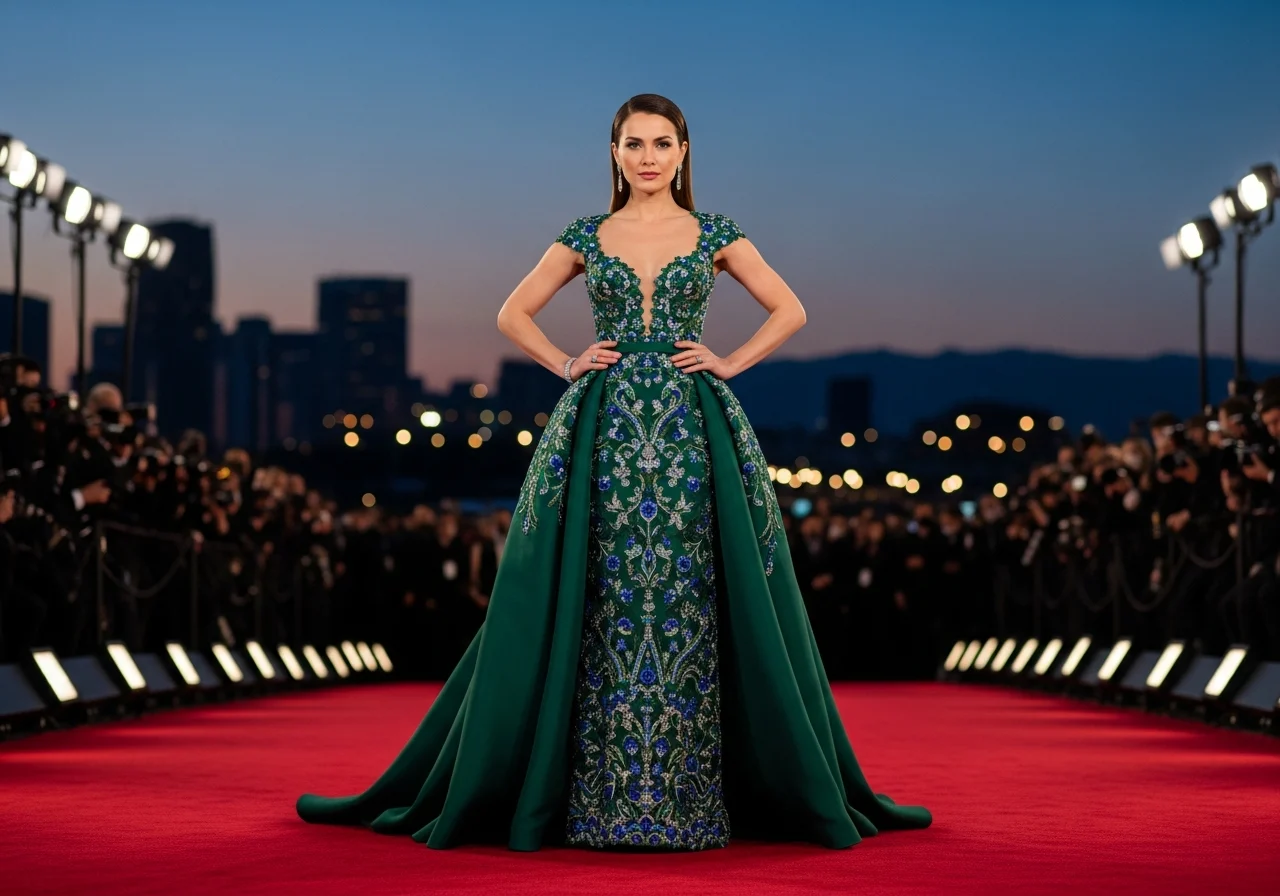
For the individuals gracing these grand entrances, the red carpet is a high-stakes performance. It’s a critical component of Celebrity Image Management, a carefully planned presentation designed to reinforce personal brand narratives, promote upcoming projects, or even shift public opinion. Every aspect, from the chosen outfit to the hairstyle, the accessories, and even the way a star interacts with interviewers, is subject to intense scrutiny and strategic planning.
Publicists and stylists work tirelessly behind the scenes to craft a persona that resonates with the audience and aligns with the star’s professional goals. A choice of attire can signal a new direction in an actor’s career, a commitment to a cause, or simply a celebration of personal style. These appearances are not spontaneous acts of glamour; they are calculated moves within the complex game of fame, intended to keep a star relevant, desirable, and, crucially, marketable. The goal is to create memorable moments that are shared, discussed, and ultimately contribute to the star’s lasting cultural footprint and earning potential.
Where there are celebrities, there are luxury brands, eager to align themselves with the glow of stardom. The Luxury Brand Red Carpet Strategy is a sophisticated dance between designer houses and A-list talent, resulting in partnerships that are mutually beneficial and incredibly lucrative. A dress worn by a prominent actress at a major awards show is far more than just clothing; it’s a walking advertisement, a global billboard worth millions in exposure.
These collaborations extend beyond dresses to jewelry, shoes, handbags, and even beauty products. Brands invest heavily to secure these placements, understanding that the visibility gained from a single red carpet appearance can dwarf traditional advertising campaigns. The power lies in aspiration: when a beloved star wears a particular designer or piece of jewelry, it creates a powerful emotional connection with consumers, driving desire and, eventually, sales. The conversation generated around these fashion choices is invaluable, positioning brands at the forefront of cultural trends and luxury aspirations. It’s a direct route to consumer consciousness, delivered with the endorsement of the world’s most recognized faces.
How do we measure the true worth of all this attention? Enter the concept of Media Impact Value (MIV). This metric quantifies the monetary value of media placements and mentions across various channels, including print, online articles, and especially social media. For a red carpet event, MIV calculations consider everything: news articles featuring celebrity outfits, social media posts by fans and influencers, mentions on television broadcasts, and even memes generated from a particular look.
The numbers can be staggering. A single, well-placed designer gown on a top-tier celebrity at an event like the Oscars or the Met Gala can generate tens of millions of dollars in MIV for the associated brand. This metric provides a tangible way for brands and publicists to assess the return on their red carpet investments. It’s a comprehensive accounting of how much buzz a particular moment creates, translating qualitative attention into a quantifiable economic figure. It truly highlights how every flashbulb, every tweet, and every news story contributes to a massive financial ripple effect, proving the red carpet’s status as a powerhouse for generating attention and value.
The rise of digital platforms has utterly transformed the red carpet’s reach and impact. Social Media Entertainment Marketing ensures that the moments captured on the crimson path are instantly amplified across the globe. Before, fans had to wait for morning papers or evening news reports; now, photos and videos hit Instagram, Twitter, and TikTok in real-time, sparking immediate conversations and trends.
Celebrities themselves play a pivotal role, often sharing behind-the-scenes glimpses or close-ups of their looks, extending the red carpet experience directly to their millions of followers. Brands leverage this by creating dedicated hashtags, running live social media campaigns, and collaborating with influencers who are also present. The virality of social media means that a single striking image or an unexpected quote can become a global phenomenon within hours, driving unparalleled levels of engagement and brand awareness. This instant feedback loop and widespread sharing capabilities cement the red carpet’s position as a premier engine for entertainment marketing, turning fleeting moments into enduring digital narratives.
The red carpet operates as a complex ecosystem where numerous players gain substantial advantages:
This interconnected web ensures that the energy generated by each red carpet event spreads far and wide, touching various sectors of the entertainment and fashion industries. It’s a self-sustaining cycle of attention and value creation, with each player contributing to and benefiting from the collective spectacle.
What does the future hold for this influential media stage? Innovation continues to reshape how these events are presented and consumed. We’re seeing more interactive elements, virtual reality experiences, and even AI-driven analytics to better understand audience engagement. The emphasis on sustainability and ethical fashion choices is also growing, influencing celebrity and brand decisions. As consumer values shift, so too does the narrative presented on the red carpet.
There’s also a rising trend of democratizing access, with more content creators and digital personalities gaining entry, further diversifying the voices and perspectives shared from these events. The red carpet will likely continue its evolution, adapting to new technologies and societal expectations, but its fundamental role as a powerful generator of media attention and commercial value seems firmly established.
Ultimately, the red carpet is much more than a fancy walkway; it’s a dynamic, multi-faceted Red Carpet as a Media Platform. It serves as a vital artery in the entertainment industry, pumping life into celebrity careers, fueling luxury brand ambitions, and driving a significant portion of the global media conversation. Through careful Celebrity Image Management, strategic Luxury Brand Red Carpet Strategy, precise Media Impact Value measurement, and the instant amplification of Social Media Entertainment Marketing, this crimson strip of fabric has truly cemented its place as a powerhouse of public relations and a cornerstone of modern culture. It’s a testament to the enduring human fascination with glamour, fame, and the stories told through fashion, all playing out on a global stage where every detail counts.