The United Arab Emirates has spent decades building one of the most ambitious aviation stories of the modern era. Airports there never functioned simply as places of transit; they became statements of intent. Architecture, infrastructure, tourism, logistics, and national strategy gradually converged into a single ecosystem where movement itself became a form of influence. Few countries understood so early that aviation would shape far more than travel routes. It would shape economies.
The figures reveal the scale of that transformation. According to the International Air Transport Association, aviation and aviation-related tourism generated approximately 92 billion dollars for the UAE economy in 2023, representing 18.2 percent of national GDP and supporting nearly one million jobs across the country. These numbers explain why aviation in the Emirates exists far beyond airports and aircraft. It became a national language — one spoken through connectivity, commerce, and long-term vision.
Within this larger story, Emirates developed into one of the industry’s most recognizable names. Over decades, the airline transformed itself from a transportation company into an international symbol associated with hospitality, precision, and global reach. Emirates aircraft became flying ambassadors. Dubai itself increasingly evolved alongside the company’s rise, creating a relationship where city and airline often appeared to grow together.
Yet the most interesting developments rarely emerge from familiar territory.
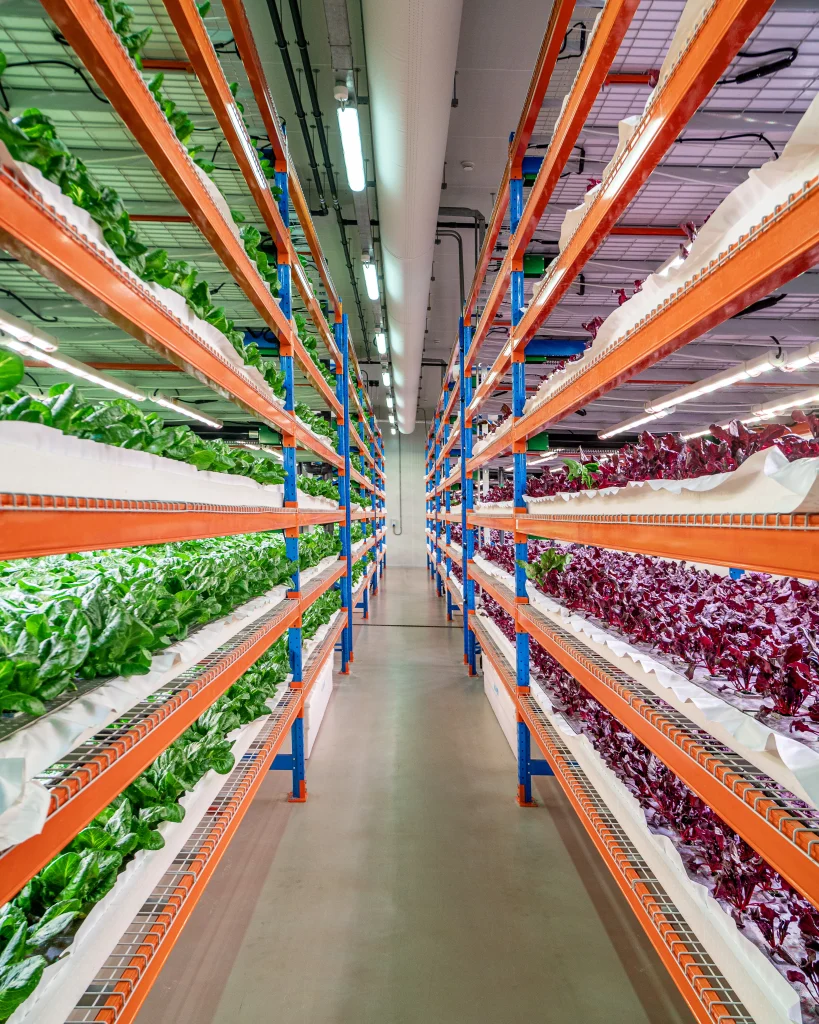
Because the future of aviation increasingly appears to ask a very different question: can an airline ecosystem contribute not only to how people travel, but also to how they eat, consume, and think about sustainability? Unexpected territory. Perhaps. The answer arrived through Bustanica.
In February 2024, Emirates Flight Catering fully acquired Emirates Bustanica — previously operating as Emirates Crop One — transforming the business into a 100 percent UAE-owned agricultural venture. At first glance, aviation and farming appear to occupy entirely different worlds. One speaks through aircraft and destinations. The other through cultivation and harvest. Yet the relationship suddenly becomes surprisingly logical when viewed through a contemporary lens where food security, resource management, and environmental responsibility increasingly shape strategic thinking.
Located near Al Maktoum International Airport at Dubai World Central, Bustanica occupies approximately 330,000 square feet, making it one of the world’s largest indoor vertical farming facilities. Scale alone impresses. The efficiency perhaps impresses more.
The farm has capacity to produce over one million kilograms of leafy greens annually, equivalent to approximately three tonnes every day, while operating with 95 percent less water than conventional agriculture methods. In a region historically associated with climate limitations and water challenges, numbers of that magnitude immediately alter the conversation.
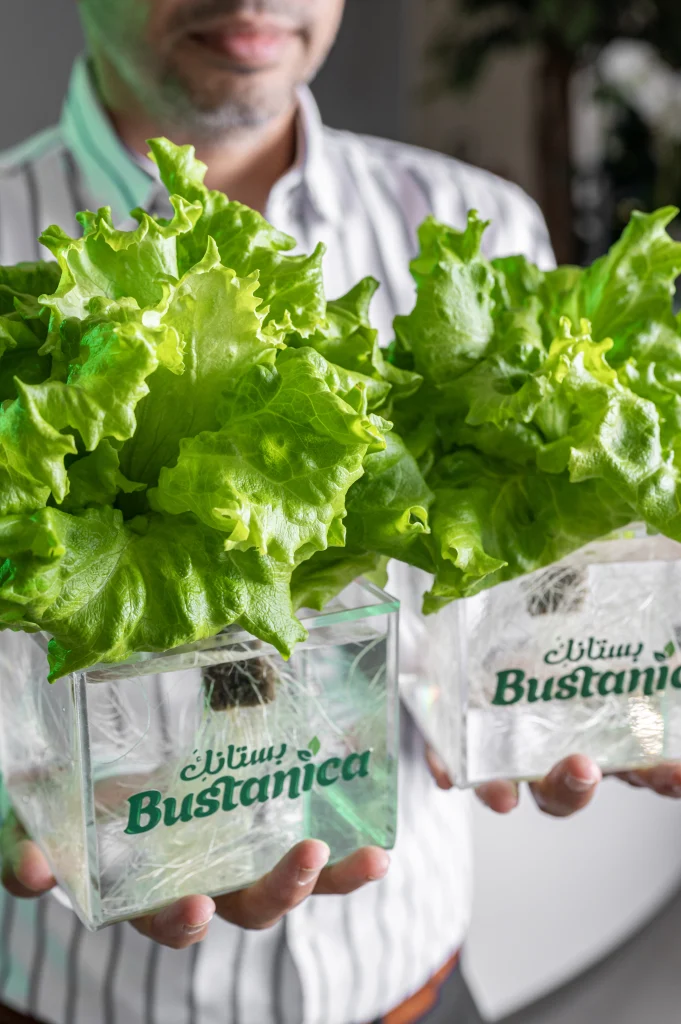
For decades, agriculture followed familiar visual codes: open land, changing seasons, fields extending toward distant horizons. Bustanica introduces another image entirely. Inside the facility, rows of crops exist within highly controlled environments powered through machine learning systems, artificial intelligence, patented technologies, and teams of specialists ranging from agronomists and engineers to horticultural experts and plant scientists.
The language of farming suddenly begins sounding closer to the language of aerospace. Technology regulates temperature. Light intensity changes according to precise requirements. Water usage becomes carefully monitored and optimized. Human expertise and data continuously interact.
The produce itself now reaches well beyond experimentation. Under the Bustanica brand, varieties including lettuce, spinach, kale, parsley, herbs, and microgreens appear across retailers throughout the UAE, including Spinney’s, Carrefour, Waitrose, and Choithrams. Emirates passengers encounter the products regularly as part of onboard dining experiences served across the airline network. Interesting, how sustainability frequently enters daily life through ordinary moments. A salad served during a flight rarely announces itself as innovation. Yet behind something seemingly simple may exist years of technological development, environmental strategy, and entirely new ways of thinking.
Recognition followed naturally. Bustanica later became one of the preferred produce suppliers for COP28, reinforcing its position inside wider conversations surrounding environmental responsibility and future food systems. For years, aviation promised movement across borders. Bustanica suggests another form of movement entirely — movement between industries, ideas, and possibilities previously considered unrelated.