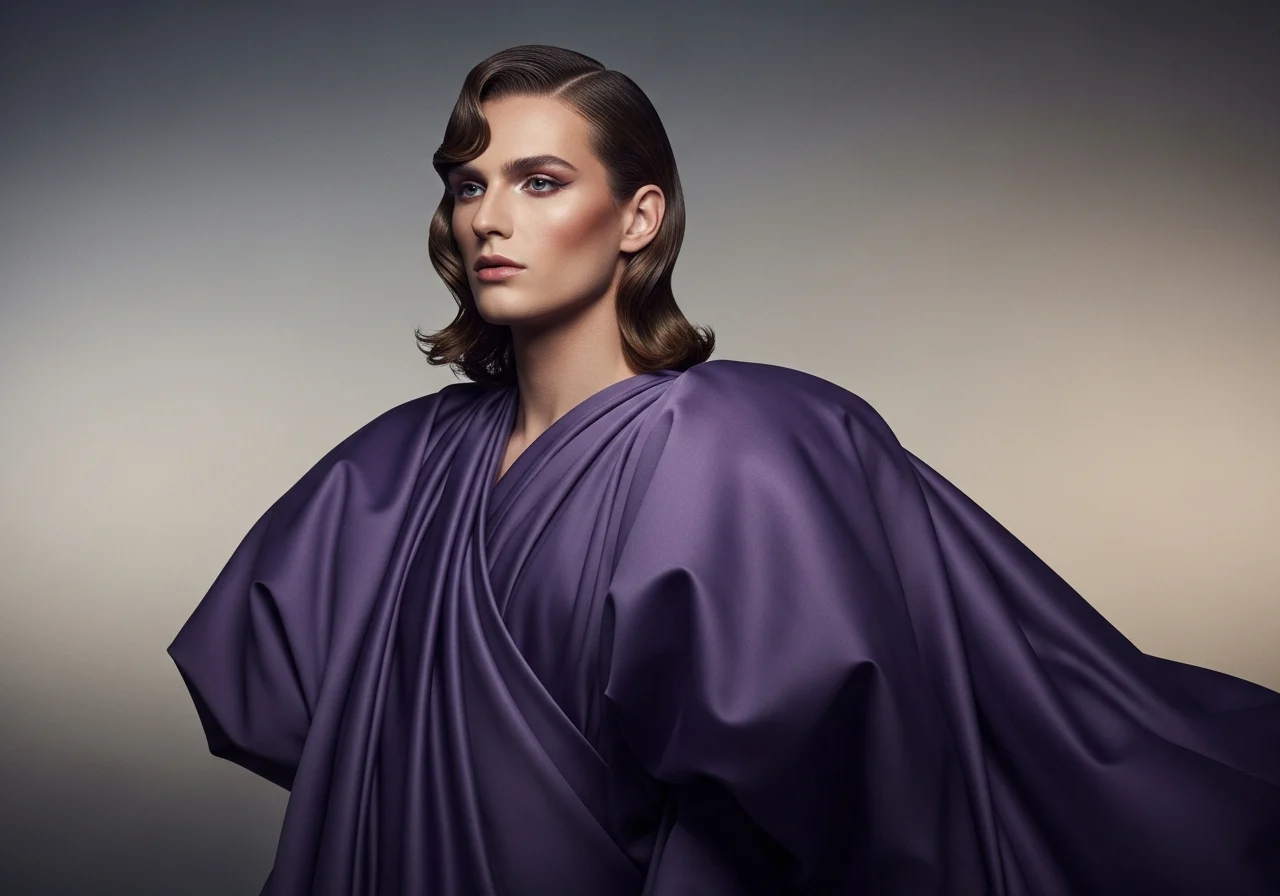
For many years, the idea of male beauty stayed within narrow lines. Men were expected to be rugged, strong, and largely unconcerned with elaborate personal care routines beyond the basics. However, a significant change is happening across society, altering how people see and define male attractiveness. This shift, which we can call Redefining Male Beauty, is not just a passing trend; it represents a deep cultural adjustment, driven by public figures, changing social attitudes, and a rapidly expanding market for men’s grooming products.
The old ideas of what it means to be a man, and how a man should present himself, are giving way to a more open and diverse understanding. The rigid boxes that once contained male expression are coming apart, allowing for a wider array of styles, interests, and personal care choices. This article will look into the forces behind this fascinating transformation, pointing out how cultural shifts and commercial interests are coming together to create a new vision for men’s beauty.
No discussion about modern male beauty would be complete without considering the significant influence of Harry Styles. The pop superstar has become a central figure in the conversation around Redefining Male Beauty, largely through his distinctive personal style. Styles frequently appears in clothing and makeup that challenge traditional gender divisions, often opting for frilled shirts, painted nails, and pearls, all without apology. His public image has made a big Harry Styles Beauty Impact, showing countless young men that self-expression through fashion and beauty products is not only acceptable but can also be quite cool.
His approach is a clear example of Breaking Gender Norms Beauty. By presenting himself in ways that were once thought of as exclusively feminine, Styles has helped to normalize a more fluid and creative approach to male presentation. He has shown that masculinity does not need to be confined by old rules about appearance. His confident presentation encourages others to consider their own styles and preferences, moving beyond what society previously dictated. This kind of influence has a ripple effect, making it easier for others to experiment without fear of judgment. It highlights how powerful individual figures can be in shaping broader cultural views on identity and presentation.
The change in how we view male beauty is deeply connected to a broader conversation about Gender Fluidity in Beauty. Society is increasingly accepting that gender is not a strict two-sided system, and this understanding naturally extends to how people choose to look. For many, beauty products and routines are no longer categorized as “for men” or “for women.” Instead, they are simply tools for personal care and expression, available to anyone who wishes to use them.
This idea encourages individuals to use whatever products or styles make them feel good, regardless of traditional gender associations. It means a man might feel perfectly comfortable using a facial serum, a tinted moisturizer, or even a touch of eyeliner, not because he wishes to appear more feminine, but simply because he likes the effect or the feeling. This movement away from strict gender labeling in beauty allows for greater freedom and creativity. It acknowledges that everyone deserves to feel good about their appearance and to use products that help them achieve that feeling, without having to fit into predefined categories.
The current generation of young people is at the forefront of this transformation. Younger Generation Men’s Grooming habits are markedly different from those of their fathers or grandfathers. For Gen Z and younger millennials, personal care is often seen as a form of self-care and self-expression, not something to be hidden or considered less masculine. They grew up in a world where information and diverse viewpoints are constantly available online, making them more open to new ideas about identity and appearance.
These younger men are more likely to invest in a wider range of grooming products, from advanced skincare routines to hair styling products that create specific looks, and even cosmetic items. They are influenced by social media, where influencers and peers openly discuss and demonstrate their personal care practices. This openness fosters an environment where experimenting with appearance is encouraged, and where taking care of one’s skin, hair, and overall look is a sign of self-respect and confidence, rather than vanity. Their approach is less about conforming to a single idea of masculinity and more about finding what works for them individually.
The cultural shift towards a more expansive view of male beauty has had a significant impact on commerce. The Men’s Beauty Market Growth is a clear indicator of this change. What was once a niche segment, mainly focused on shaving products and aftershave, has expanded dramatically to include a vast array of skincare, haircare, makeup, and fragrance items specifically marketed to men, or as gender-neutral options.
Major beauty companies and new startups are pouring resources into developing products that cater to this evolving demographic. We see serums, moisturizers, concealers, brow gels, and even nail polishes designed with men in mind. The messaging around these products has also changed; it’s less about “fixing” flaws and more about enhancing natural features, promoting healthy skin, and allowing for personal style. This commercial expansion is not just about selling more products; it also reflects and reinforces the cultural acceptance of men engaging more deeply with beauty. As more products become available and visible, it further normalizes the idea of men having extensive grooming routines, creating a cycle of cultural acceptance and market expansion.
At its core, this transformation in how men approach beauty is part of a larger Cultural Shift in Male Grooming. Historically, societal expectations for men often linked masculinity with stoicism and a lack of overt concern for appearance. This often meant that showing too much interest in beauty products or personal adornment could be seen as weak or not traditionally masculine. However, these rigid definitions are loosening.
Modern society is moving towards a more inclusive definition of masculinity, one that allows for emotional expression, diverse interests, and a broader spectrum of personal styles. This change is partly driven by discussions around mental health, self-care, and the breaking down of harmful stereotypes. As men are encouraged to be more in touch with their emotions and to prioritize their well-being, it naturally extends to how they care for their physical appearance. Grooming and beauty routines can be a powerful tool for self-care, helping individuals feel better about themselves and projecting confidence. This shift represents a move away from a “one-size-fits-all” idea of manliness towards a more individualized and authentic approach to self-presentation.
The journey of Redefining Male Beauty is far from over. What we are witnessing now is a foundational change that will likely continue to evolve. As societal views on gender and identity become even more fluid, the boundaries of what is considered “male” or “female” in beauty will probably diminish further. We may see an increase in gender-neutral product lines and marketing campaigns that speak to personal preference rather than gender. The focus will likely remain on individuality, self-expression, and wellness, allowing men to explore their personal aesthetics without constraint.
The influence of public figures like Harry Styles will continue to inspire, while the expanding market will offer ever more choices. The younger generations, with their open-minded approach, will keep pushing the limits of what is considered normal. This ongoing development promises a future where beauty truly has no gender, providing everyone with the freedom to present themselves in ways that genuinely reflect who they are.