In the bustling world of beauty, a quiet revolution has taken hold. For many years, the industry largely focused on promises of flawlessness, age reversal, or instant transformations. While those aspects still hold a place, a significant shift in how people buy beauty products is now clear. Today, purchases are increasingly driven by how an item makes someone feel, the personal connection it offers, and the story it tells. This profound change means that a successful brand must now master Emotional Beauty Marketing, connecting with consumers on a deeper level than ever before.
The days when a product’s effectiveness was its only selling point are fading. Consumers now seek products that align with their values, boost their spirits, or support their personal sense of self. It’s an interesting path where feeling good and having a strong sense of personal connection have become just as important, if not more so, than simply looking good. This article will look into this fascinating transformation, exploring how brands are finding success by focusing on consumer feelings, shared stories, and online closeness. We’ll also explain why these elements are central to today’s beauty sales, with a special look at how Huda Beauty became a leading example.
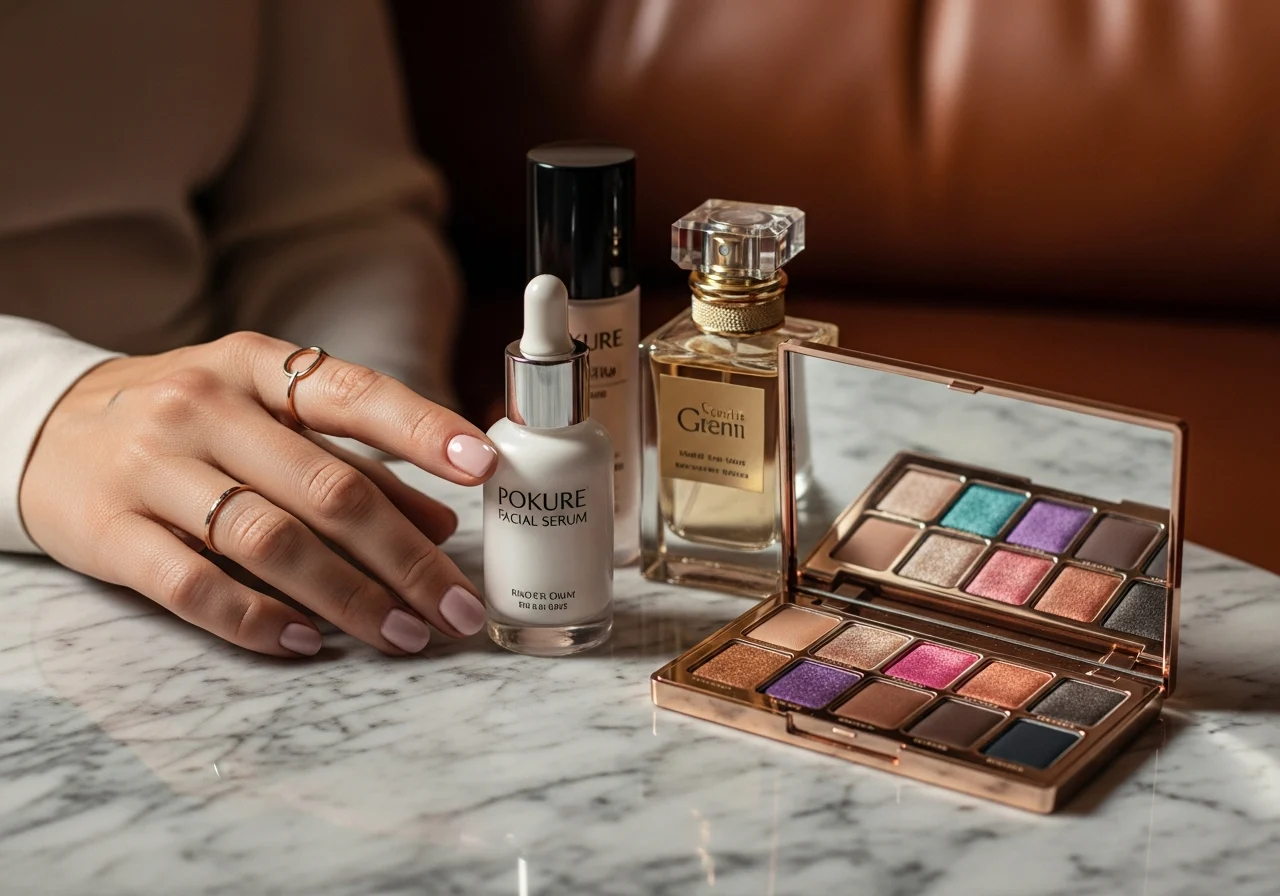
The shift in how people choose beauty items stems from a deeper understanding of beauty consumer psychology. People are not simply buying creams and colors; they are investing in experiences, confidence, and self-expression. A lipstick is not just a pigment for the lips; it can be a source of power before a big meeting, a touch of cheer on a quiet morning, or a small act of self-care. This means marketers must move past traditional tactics and instead tap into the emotional landscape of their audience.
Brands that truly understand this change are redesigning their messages. They talk about the joy of a morning routine, the comfort of a particular scent, or the confidence found in a perfectly matched foundation. This focus on feelings helps build a stronger bond with customers. When a product makes someone feel understood, valued, or uplifted, it earns a special place in their routine and their heart. This goes far beyond superficial appeal; it’s about creating a true relationship with the product and the brand behind it.
For many, beauty items serve a crucial role in shaping their mood and reinforcing their personal identity. A facial serum might signify a commitment to self-care, a bright eyeshadow palette could represent a playful spirit, and a specific fragrance might call forth cherished memories or aspirations. These products become tools for self-discovery and daily affirmations. They help individuals express who they are or who they want to become.
Consider the ritual of applying skincare before bed or putting on makeup in the morning. These acts are often personal ceremonies that can reduce stress, create a sense of order, or provide a moment of quiet reflection. Brands that highlight these psychological benefits, rather than just the physical ones, connect with people on a much more meaningful level. They show how their products can be part of a calming routine, a confidence booster, or a way to show off one’s unique style. This way of thinking about beauty is all about enriching a person’s inner world, making products important parts of their daily life and self-perception.
The way a beauty product feels, smells, and even looks in its packaging plays a huge part in creating a strong emotional link. This is where sensory experience beauty comes into play. The soft feel of a cream, the delicate scent of a perfume, or the pleasant weight of a glass bottle can all contribute to how a product is perceived and valued. These sensory details turn a simple purchase into a delightful event.
For example, a rich body lotion that feels luxurious on the skin and carries a calming aroma can transform a routine into a moment of pure relaxation. The visual appeal of a product – its colors, packaging design, and texture – also contributes to this. Brands carefully craft these elements to evoke specific feelings: sophistication, playfulness, purity, or warmth. These sensory cues work together to build a complete and satisfying experience, encouraging a deeper connection and making the product more than just its ingredients. It’s about how the product affects all the senses, creating a lasting impression.
To truly understand Emotional Beauty Marketing in action, one can look at the remarkable success of Huda Kattan and Huda Beauty. Her Huda Kattan marketing strategy stands as a leading example of building a global brand by putting consumer feelings and community first. Huda started as a beauty blogger, sharing her genuine love for makeup and honest reviews. This early foundation of authenticity and direct communication with her audience set the stage for her brand’s growth.
Huda built her empire not on celebrity status alone, but on a deep understanding of beauty consumer psychology. She actively listened to her followers, creating products they genuinely wanted and needed. Her content often showed real people, real struggles, and real transformations, making her brand feel incredibly relatable. She used platforms like Instagram and YouTube to share personal stories, makeup tips, and behind-the-scenes glimpses, inviting her audience into her world. This direct engagement fostered a powerful sense of community and loyalty. Customers felt like they were part of something bigger, a group of beauty enthusiasts who shared a passion and trusted Huda’s expertise. Her method proved that genuine connection and shared narratives can build a beauty brand that resonates deeply with a diverse global audience.
The digital world has changed how beauty brands connect with their audiences. Social media platforms, in particular, have become central to fostering online closeness and shared stories, which are crucial components of Emotional Beauty Marketing. Brands that excel here do more than just post pretty pictures; they start conversations, ask for feedback, and celebrate their customers’ creativity.
User-generated content, where customers share their own experiences with products, holds immense power. When someone sees a peer looking good and feeling happy with a product, it builds trust in a way traditional advertising often cannot. Influencers, when chosen thoughtfully, also play a key role by providing authentic reviews and showing how products fit into real lives. This focus on community, shared experiences, and genuine interaction helps brands build lasting loyalty. It shows potential buyers that the brand cares about its customers, not just their wallets, making the buying decision feel like joining a supportive group rather than just making a transaction.
The beauty industry continues its interesting path, with emotional connections at its core. Brands that truly prosper are those that see beyond the surface, recognizing that beauty products are deeply personal items tied to self-worth, happiness, and identity. Understanding beauty consumer psychology and crafting a rich sensory experience beauty are no longer optional extras; they are fundamental to successful Emotional Beauty Marketing.
As the market grows more crowded, the ability to create a genuine, heartfelt connection with consumers will be the distinguishing factor. Whether through personal storytelling, community building, or designing products that delight all the senses, the future of beauty sales belongs to those who prioritize how their products make people feel. It’s about selling confidence, joy, self-care, and belonging—making beauty a truly personal and powerful experience for everyone.