The world of beauty imagery is undergoing a significant change. For many years, the standard approach involved bright lights, warm tones, and an almost too-perfect presentation. These pictures aimed to show an ideal, often unattainable, version of beauty. However, a different kind of visual language is now taking hold, moving away from that polished, sunny look. We are seeing a distinct trend towards what many call “colder beauty photography trends” – a style that is more artistic, sometimes stark, and frequently quite unusual. This change isn’t accidental; it reflects deeper shifts in what consumers want to see and how brands wish to present themselves.
This evolving aesthetic pushes boundaries, challenging our old ideas of what beauty should look like in advertising and editorial spreads. It’s a move from simple prettiness to something more thought-provoking, something that captures attention not through sheer perfection but through its striking originality. This article explores the reasons behind this interesting visual development, looking at how artists influence it and how it shapes the way luxury beauty presents itself to the world.
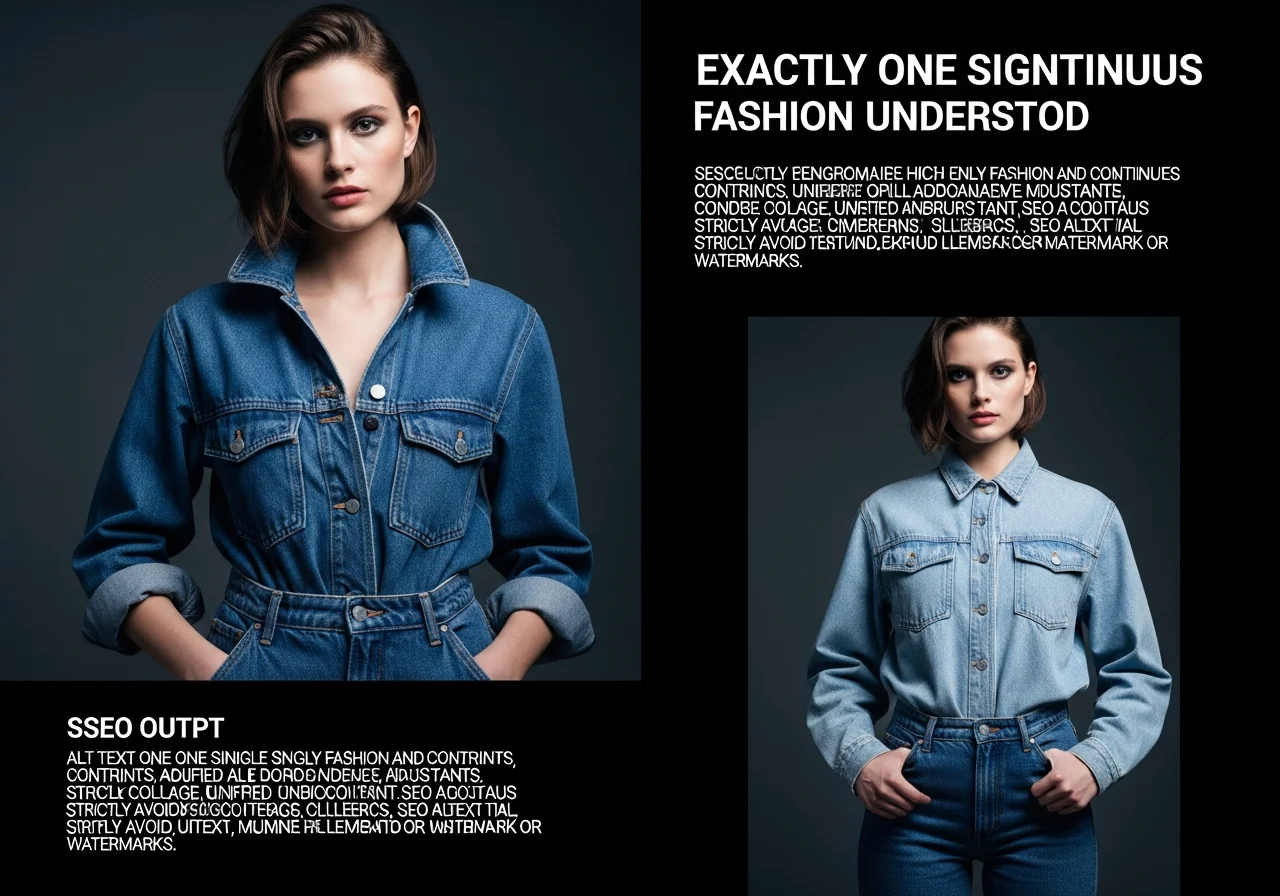
When we talk about “colder beauty photography,” it doesn’t necessarily mean images taken in icy conditions or pictures that literally make you shiver. Instead, it describes a particular mood and visual style. Think of it as a rejection of the overtly warm, soft-focus, airbrushed look that dominated for so long. These newer images often feature:
This approach gives rise to *surreal beauty campaigns*, where the imagery steps away from reality, creating dreamlike or fantastical scenarios that captivate the eye and mind. It’s about creating an atmosphere that feels distinct and memorable, rather than simply showing a product in its best light.
Several factors contribute to this visual transformation in beauty photography:
One of the most significant figures shaping this new direction is makeup artist Val Garland. Her approach to makeup artistry is anything but conventional. Garland is renowned for her experimental, artistic, and often provocative work, transforming faces into canvases for truly *surreal beauty campaigns*.
Garland’s creations often appear unsettling yet incredibly captivating. She uses materials and techniques that go far beyond traditional cosmetics, incorporating textures, unusual colors, and unexpected placements to create looks that are more akin to sculpture or abstract painting. Her work demands attention, often eliciting strong reactions – a key characteristic of the “colder” aesthetic.
Her *Val Garland beauty influence* is widespread. She has worked on countless high-profile fashion shows and editorial shoots, leaving her mark on major campaigns. Her willingness to challenge beauty norms has inspired a generation of makeup artists and photographers to think outside the box. She shows that beauty can be strange, challenging, and deeply artistic, rather than just pretty. Her vision helps explain why major brands are now willing to explore visual territories that once seemed too niche or extreme for mainstream advertising.
The shift towards colder, more unusual visuals has had a profound impact on *luxury beauty advertising changes*. High-end brands, in particular, are finding new ways to set themselves apart in a competitive market. Where once luxury meant aspirational perfection, it now often means artistic exclusivity.
Instead of merely showing a product that promises youth or flawlessness, luxury brands are now selling an experience, a mood, or an artistic statement. They aim to appeal to a sophisticated consumer who appreciates art, innovation, and a distinct point of view. This means:
This evolution means that a brand’s advertisement might now be less about a flawless complexion and more about a striking visual that stays with the viewer, suggesting an artistic sensibility that matches the product’s high value.
The impact of *colder beauty photography trends* extends far beyond glossy magazine pages and high-budget campaigns. The digital world, with its endless platforms and quick sharing capabilities, has become a fertile ground for these experimental visuals.
Independent artists, smaller beauty labels, and even everyday content creators are adopting elements of this aesthetic. Instagram, Pinterest, and TikTok are filled with images that play with unusual colors, dramatic lighting, and avant-garde makeup. This widespread adoption shows how influential the trend has become, moving from the elite fashion world into a broader digital visual language.
The accessibility of digital tools and platforms means that anyone with a creative vision can experiment with these styles. This democratizes the “colder” aesthetic, allowing it to evolve and reach new audiences, further cementing its place in the contemporary beauty landscape. What starts as a high-fashion statement quickly becomes a source of inspiration for a global audience, constantly pushing the boundaries of what is considered beautiful.
The move towards colder, more unusual beauty photography is not just a passing fad. It represents a deeper shift in cultural values and artistic expression within the beauty industry. As consumers grow more visually sophisticated and demand greater authenticity and creativity, the traditional notions of beauty imagery will continue to be challenged.
The influence of artists like Val Garland, combined with the power of digital platforms and the evolving strategies of luxury brands, suggests that this artistic, boundary-pushing approach to beauty visuals will only continue to develop. The industry will likely keep searching for new visual languages, always pushing the limits of what is considered beautiful, strange, and ultimately, captivating. This constant interplay between art and commerce keeps the world of beauty photography fresh and exciting, promising even more striking imagery for us to witness.