In a world often characterized by economic ups and downs, one sector consistently shows a remarkable ability to hold its ground and even expand: the beauty market. For years, analysts have observed how people continue to purchase cosmetics, skincare, and fragrances, even when other spending categories tighten up. This enduring pattern points to something deeper than simple vanity; it speaks to the integral role these products play in daily life and personal well-being. Understanding the driving forces behind this growth offers important lessons for anyone watching consumer trends or making business decisions.
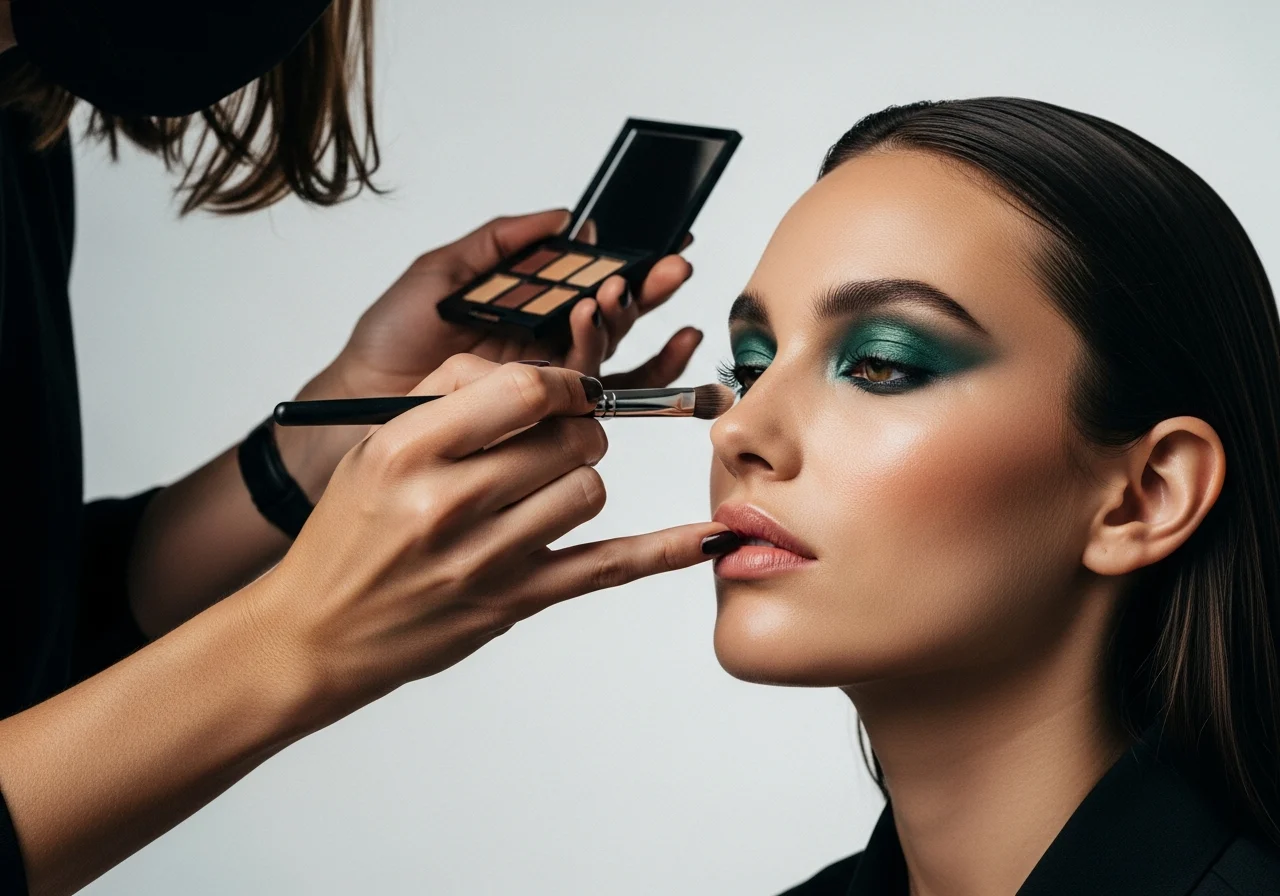
When economic times get tough, many industries feel the pinch as consumers cut back. Yet, the beauty sector frequently bucks this trend. This strong showing is often linked to the idea that small, accessible luxuries provide comfort and a sense of normalcy during periods of uncertainty. A new lipstick or a calming face cream can offer a momentary lift, a brief respite from worries, without requiring a large financial outlay. This makes beauty purchases a valuable part of many people’s coping strategies.
The market’s strength also comes from how diverse it is. It covers everything from basic hygiene items to specialized treatments, appealing to a broad range of budgets and needs. This wide appeal means there’s always something for everyone, regardless of their financial situation. The connection people feel to their beauty routines, seeing them as essential for self-care and confidence, also helps keep sales figures healthy.
A recent deep dive by McKinsey into the future of the beauty industry, titled the McKinsey beauty report 2025, offers a clear picture of what’s ahead. The report highlights several major forces that will shape the market’s progression. One significant point is the increasing importance of digital channels. Online sales, social media influence, and virtual try-on tools are changing how people discover, research, and buy products. Brands that succeed will be those that effectively use these digital spaces to connect with their audience.
Another crucial area is personalization. Consumers are looking for products that feel made just for them, whether it’s through AI-powered recommendations, custom formulations, or products that address very specific concerns. Sustainability also features prominently, with buyers increasingly wanting brands to show they care about the environment and ethical sourcing. Finally, new product categories, like ‘skinification’ of hair care (treating the scalp like skin) and ingestible beauty (supplements for skin health), are opening up fresh avenues for expansion.
Looking closer at what’s making the beauty sector bigger, several specific beauty industry growth trends stand out. Skincare remains a powerhouse, often leading the way in innovation and consumer interest. People are more aware than ever about ingredient lists, product efficacy, and the long-term benefits of a consistent skincare routine. This focus on skin health has also led to the “skinification” of other categories, where products for hair or body are formulated with ingredients typically found in facial skincare, like hyaluronic acid or ceramides.
Transparency about ingredients is no longer just a nice-to-have; it’s a must. Consumers want to know what they’re putting on their bodies and expect brands to be upfront about their formulas. The move towards inclusive products, catering to a wider range of skin tones, hair types, and identities, is also a powerful driver. Brands that genuinely represent and serve a diverse customer base see greater loyalty and market acceptance. Social commerce, where purchasing happens directly through social media platforms, is also changing the retail landscape, making shopping more interactive and immediate.
The question of why consumer spending beauty products remains strong, even when other sectors falter, goes beyond simple economics. For many, beauty items serve as small, accessible treats that provide a sense of control and joy. In times of economic strain, big purchases like vacations or new cars might be off the table. However, a new serum or a special shampoo offers a relatively inexpensive way to boost mood and maintain a sense of self-care.
These purchases are often tied to emotional well-being. The act of applying a face mask or a fragrant lotion can be a calming ritual, a moment of peace in a busy day. This connection to personal comfort and mental uplift means beauty products are often viewed as essentials for daily living, not just frivolous extras. They are part of how people maintain their appearance, yes, but also how they manage stress and express their identity.
The idea of beauty as daily ritual is a core reason for the market’s steady performance. For many, a morning or evening beauty routine is not optional; it’s a fixed part of their day. This might involve cleansing and moisturizing, applying makeup, or styling hair. These actions are often habitual, deeply ingrained practices that provide structure and a sense of readiness for the day, or a way to wind down at night.
These routines offer moments of self-focus and personal attention. They are opportunities to care for oneself, to feel good, and to prepare for social interactions. Because these activities are so regular and personally significant, the products associated with them become staples. They are replenished consistently, creating a reliable demand that helps insulate the market from wider economic fluctuations. This makes beauty items a fundamental part of many people’s lives, rather than occasional purchases.
To see these market dynamics in action, consider the approach taken by Rhode, a beauty brand founded by Hailey Bieber. The Rhode beauty brand strategy offers a compelling example of how to connect with modern consumers. Instead of trying to offer every kind of product, Rhode focused initially on a concise range of skincare items, particularly those centered around achieving a “glazed donut” skin look – a dewy, hydrated appearance. This specific focus allowed the brand to build expertise and a clear identity.
Rhode leveraged the immense social media presence and personal brand of its founder. Hailey Bieber’s direct communication with her audience, sharing her own routines and product preferences, created a strong sense of authenticity and trust. The brand’s direct-to-consumer (DTC) model also played a part, allowing for direct interaction with customers and control over the brand experience. This strategy shows how a clear vision, a strong connection to a founder’s persona, and a focus on specific, desirable outcomes can generate significant buzz and sales, fitting well into the current trends of influencer marketing and targeted product offerings.
For business leaders, investors, and marketers looking to understand or participate in this market, several strategic considerations rise to the surface. Innovation remains key; brands must consistently bring new ideas and improved products to the forefront. Staying attuned to evolving consumer preferences, such as the demand for ethical sourcing or personalized solutions, is also vital. Adapting to digital retail channels and social media marketing is no longer optional but a necessity for reaching and influencing today’s buyers.
Authenticity in brand messaging and product performance builds trust and lasting customer relationships. As the beauty market continues its upward trajectory, the companies that pay close attention to these factors will be best positioned to gain from its inherent strength and the deep-seated connection consumers have with their beauty routines.
The beauty market’s ability to maintain its growth, even when global economies face challenges, is a testament to its unique place in consumer culture. It’s a sector driven not just by superficial wants, but by a profound desire for self-care, confidence, and small moments of joy, making it a powerful and persistent force in the global economy.