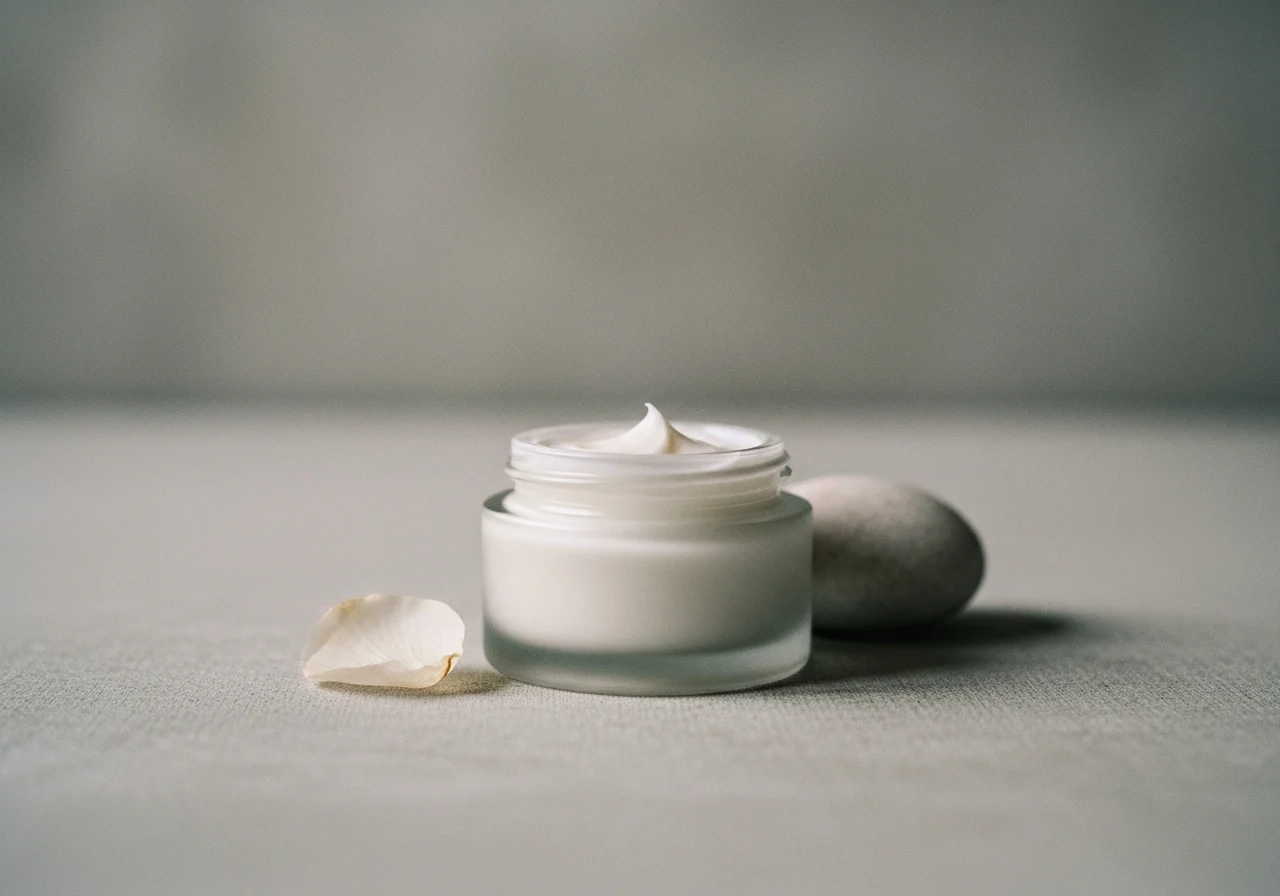
In the expansive world of beauty routines, where new products and complex regimens frequently appear, a different philosophy has been gaining considerable attention: skin minimalism. This approach suggests that less can genuinely be more when caring for your complexion. It’s a concept that encourages a streamlined collection of products and a simplified daily practice. But is this trend a universally beneficial strategy for everyone, or are there situations where a more comprehensive routine remains essential?
This discussion aims to provide a thorough examination of skin minimalism, exploring its genuine advantages for particular skin types and concerns, while also critically looking at its limitations. We will consider when a more involved, multi-step regimen might still be necessary. The goal is to equip readers with the information needed to decide if a minimalist approach aligns with their specific skin requirements and aspirations, offering practical advice for its successful adoption where it proves suitable.
Understanding the Core of Skin Minimalism
At its heart, skin minimalism advocates for a concise collection of skincare items, focusing on quality and purpose over quantity. A typical minimalist skincare routine often includes just three to five core products: a cleanser, a moisturizer, and a sunscreen. Sometimes, a targeted treatment serum might also be included, but the emphasis is always on carefully chosen, effective formulas that serve multiple purposes or address primary concerns directly.
This movement arises from a desire to reduce clutter, simplify daily habits, and potentially lessen the burden on both wallets and the environment. It represents a shift away from the often lengthy, multi-step routines popularized in recent years, proposing a return to foundational care.
The Compelling Advantages of a Simplified Approach
Many individuals report significant positive changes after adopting a less-is-more philosophy. The skin minimalism benefits extend beyond mere convenience:
Reduced Irritation and Sensitivity: Applying numerous products, especially those with many active ingredients, can sometimes overwhelm the skin. This may lead to redness, breakouts, or increased sensitivity. A simpler routine reduces the potential for adverse reactions by limiting exposure to various compounds. It allows the skin’s natural barrier to function optimally without constant interference.
Cost-Effectiveness: High-quality skincare products can be expensive. By concentrating on a few essential items, individuals can significantly decrease their expenditure. This permits investing in superior formulations for those core products, ensuring maximum efficacy without breaking the bank.
Environmental Considerations: Fewer products mean less packaging waste and a reduced carbon footprint associated with manufacturing and transport. This makes skin minimalism an appealing choice for environmentally conscious consumers.
Time Efficiency: A shorter routine saves precious minutes each morning and evening. This simplicity makes it easier to maintain consistency, which is a key factor in achieving good skin health.
Improved Skin Understanding: When using fewer products, it becomes easier to identify which ingredients or formulas truly benefit one’s skin and which might be causing issues. This clarity fosters a deeper connection with and understanding of one’s complexion.
Examining the Limitations and Potential Drawbacks
While the advantages are clear, it is important to consider the skin minimalism drawbacks. This approach is not a universal solution for every skin type or concern:
Insufficient for Complex Skin Issues: Conditions such as severe acne, rosacea, hyperpigmentation, or significant signs of aging often require specific active ingredients and a multi-pronged strategy. A minimalist routine might not offer the necessary tools to effectively manage these more complicated concerns.
Limited Ingredient Diversity: Many effective skincare ingredients, like various antioxidants, peptides, or different forms of retinoids, work best when combined or layered. A minimalist approach might restrict the ability to incorporate a wide array of beneficial compounds that address different aspects of skin health simultaneously.
Risk of Inadequate Protection: While sunscreen is a cornerstone of any routine, some skin types might benefit from additional protective layers, such as antioxidant serums, to combat environmental damage comprehensively. A minimalist approach might inadvertently omit these crucial protective elements.
Not Suitable for All Climates or Lifestyles: Individuals living in harsh climates, or those with demanding lifestyles that expose their skin to various stressors, might require more robust protection and repair mechanisms than a very simple routine can offer.
Layered Skincare Versus Minimalist: A Comparison
The choice between a layered skincare vs minimalist approach depends heavily on individual needs and goals. Layered skincare, often inspired by K-beauty principles, involves multiple steps—sometimes ten or more—each delivering a specific benefit, from double cleansing to essences, serums, ampoules, masks, and multiple moisturizers. This method allows for highly customized care, targeting numerous concerns with precision and intensity.
Layered Skincare Strengths: Addresses multiple, complex concerns simultaneously; allows for a wide array of active ingredients; can provide comprehensive treatment for specific conditions.
Layered Skincare Weaknesses: Can be time-consuming and expensive; increases the risk of irritation from too many active ingredients; may lead to product fatigue.
In contrast, skin minimalism prioritizes simplicity and foundational care. It aims to support the skin’s natural functions rather than introducing numerous external interventions. The decision often boils down to a balance: what does your skin truly need, and how much effort and investment are you willing to commit?
Is Skin Minimalism Effective?
The question, “is skin minimalism effective?”, does not have a single, universal answer. Its effectiveness is highly dependent on several factors, primarily the individual’s skin type, concerns, and the quality of the products chosen.
For Uncomplicated Skin: If an individual possesses generally healthy skin with few specific concerns beyond basic hydration and protection, a minimalist routine can be exceptionally effective. By focusing on a gentle cleanser, a good humectant-rich moisturizer, and a broad-spectrum SPF, the skin’s natural balance can be maintained and supported efficiently.
For Sensitive or Reactive Skin: This approach is often highly effective for those prone to sensitivity, redness, or allergic reactions. Reducing the number of ingredients applied to the skin can significantly lower the chances of irritation, allowing the skin to recover and strengthen its barrier.
The Importance of Product Quality: Success in skin minimalism hinges not on the quantity of products, but on the quality and formulation of the few chosen items. Each product must be potent, well-suited to the skin type, and free from common irritants. A “less is more” philosophy does not mean “less effective ingredients.” It means fewer, highly effective, multi-tasking ingredients.
When It May Not Be Enough: For persistent concerns like cystic acne, deep wrinkles, or significant sun damage, relying solely on a minimalist approach might not yield the desired improvements. These conditions often require specific dermatological treatments or advanced active ingredients that may not fit into a very basic routine.
Who Can Benefit Most from Skin Minimalism?
This simplified approach is particularly well-suited for:
Individuals with generally healthy, uncomplicated skin.
Those with sensitive or easily reactive skin types.
People looking to reduce their environmental impact and expenditure on beauty products.
Anyone overwhelmed by complex routines and seeking a straightforward, manageable practice.
Those who suspect their skin issues might be caused by too many products or ingredients.
Practical Guidance for Adopting a Minimalist Skincare Routine
If you are considering a shift toward skin minimalism, here are some steps to guide your transition:
Assess Your Current Routine: Begin by cataloging all products you currently use. Identify those that are truly essential (cleanser, moisturizer, SPF) and those that might be redundant or unnecessary.
Identify Core Skin Needs: What are your primary skin goals? Is it hydration, oil control, or gentle cleansing? Choose products that directly address these fundamental requirements.
Prioritize Multi-Tasking Products: Look for items that serve more than one function. For example, a moisturizer with SPF, or a serum that hydrates and contains antioxidants.
Gradual Reduction: Do not eliminate products all at once. Gradually remove items from your routine, one by one, over several weeks. This allows your skin to adjust and helps you observe any changes.
Invest in Quality: Since you will be using fewer products, allocate your budget to high-quality formulations that contain effective, well-researched ingredients.
Listen to Your Skin: Pay close attention to how your skin responds. If you notice any negative changes, reintroduce a previously used product or consult a dermatologist.
Patience is Key: It takes time for skin to adjust to new routines. Give your minimalist approach at least 4-6 weeks before deciding on its effectiveness.
Final Thoughts on Simplifying Your Skincare
Skin minimalism offers a compelling alternative to the often-overloaded world of beauty products. It champions simplicity, efficiency, and a deeper understanding of one’s skin. For many, it presents a path to healthier, less reactive skin, while also offering benefits for one’s budget and the planet. However, it is not a panacea for all skin concerns. Individuals grappling with more complex dermatological conditions may find that a more targeted, multi-product strategy remains their best course of action.
The ultimate decision rests with the individual. By carefully evaluating personal skin needs, understanding the advantages and limitations of both minimalist and layered approaches, and selecting products with care, anyone can make an informed choice that supports their skin’s well-being. The aim is not to follow a trend blindly, but to cultivate a skincare habit that genuinely serves your complexion best.
S.elective Shopping
A considered guide to what matters now — and how it is worn.
By signing up, you confirm acceptance of the User Agreement and acknowledgment of the Privacy Policy.
S.elective speaks in the international language of fashion, tracing the forces and ideas that shape how style moves across cities and cultures. Rare conversations with influential voices meet imagery created by the creative minds defining the present moment. Global. Vibrant. Enduring. Positioned within the industry, resonating far beyond it — a space of clarity, curiosity, and lasting perspective.