In the expansive realm of high-end beauty, where scientific innovation frequently meets aesthetic discernment, a particular characteristic has risen to prominence: the tactile sensation of a product. Beyond ingredient lists and scientific claims, the way a skincare item feels upon application has become a defining aspect of its perceived quality and desirability. This exploration delves into the profound significance of luxury skincare texture, positioning it as a fundamental differentiator and a key driver of value in the premium beauty market.
For the discerning consumer, the application of skincare transforms from a mere routine step into a cherished ritual. This transformation is heavily influenced by the skincare product feel, which shapes the entire sensory skincare experience. It is a nuanced language spoken through creams, serums, and balms – a language that communicates sophistication, efficacy, and pure pleasure. Understanding this shift means recognizing that a product’s tactile qualities are not secondary; they are central to its identity and its connection with the user.
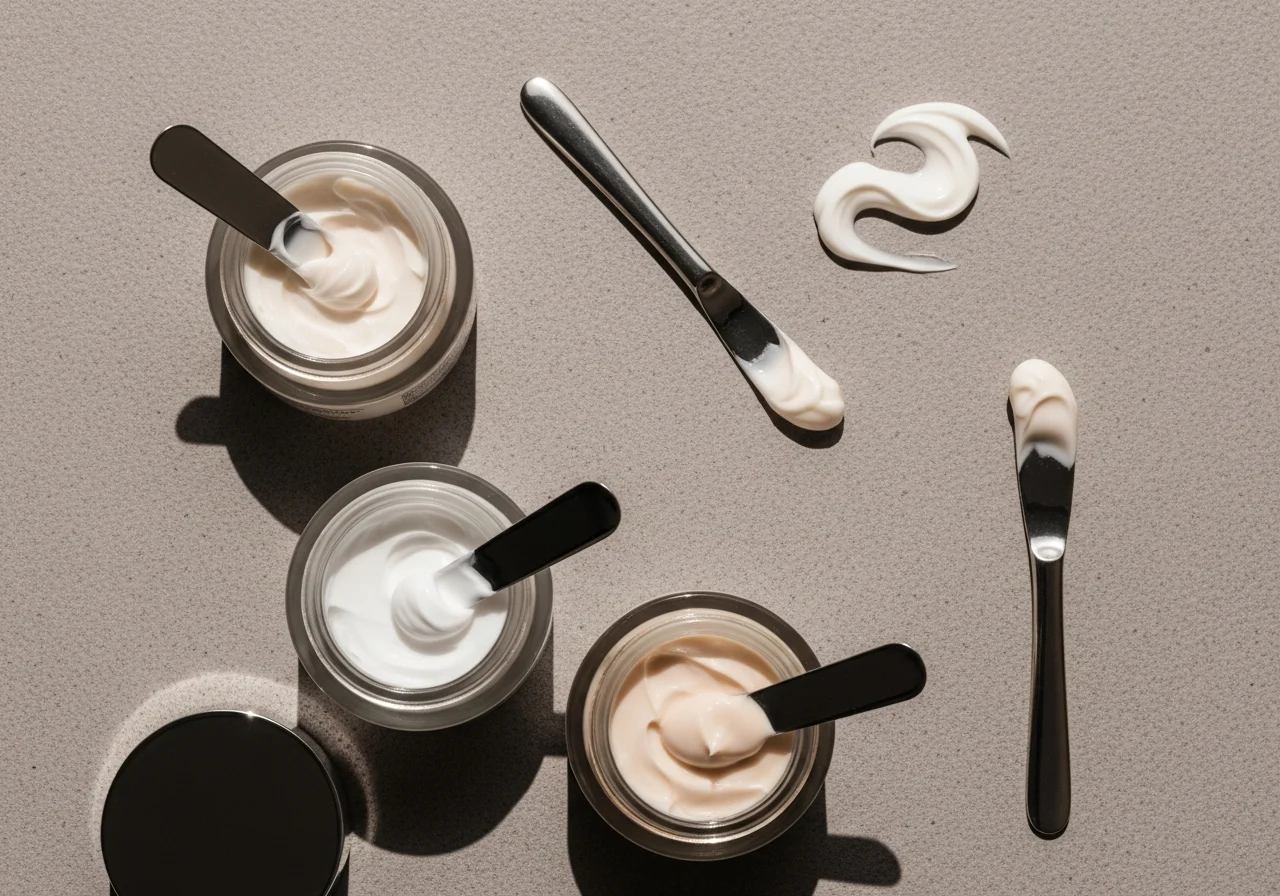
Imagine the initial contact of a rich balm or the delicate glide of a serum across the skin. These moments are more than just physical interactions; they are sensory cues that activate our perception of luxury and effectiveness. A product with a carefully calibrated texture can evoke feelings of comfort, efficacy, and even a sense of personal care that transcends its functional purpose. When a cream feels substantial yet melts into the skin without residue, or a serum delivers a refreshing coolness followed by a velvety finish, these experiences contribute significantly to a user’s overall satisfaction.
The perceived quality of a skincare item is intrinsically linked to its feel. A lightweight fluid that absorbs quickly might suggest freshness and immediate hydration, while a dense, cushiony cream could convey deep nourishment and protection. These textural cues are powerful non-verbal communicators, influencing how consumers judge a product before they even observe its long-term effects. The immediate gratification derived from a superb texture can solidify a product’s place in a daily regimen, making it a highly anticipated part of the day.
Creating these covetable textures is not a matter of chance; it is the outcome of rigorous scientific research and meticulous formulation. The field of cosmetic science dedicates considerable effort to engineering specific material properties that translate into the desired luxury skincare texture. This involves selecting and combining a precise array of ingredients, each playing a critical role in the final feel of the product.
Formulators, akin to culinary artists, work with a palette of advanced components. Emulsifiers ensure the smooth distribution of oil and water phases, preventing separation and contributing to a uniform consistency. Rheology modifiers dictate the flow and spreadability of a product, allowing it to be thick and stable in the jar yet spread thinly and evenly on the skin. Emollients and humectants contribute to the hydrating and softening qualities, while also influencing the after-feel – whether it is dewy, matte, or velvety.
Consider the difference between a bouncy gel, a silky oil, or a whipped cream. Each requires a distinct molecular architecture. A bouncy gel often relies on specific gelling agents that create a refreshing, water-rich matrix. A silky oil might feature carefully chosen ester oils that provide a smooth glide and a non-greasy finish. Whipped creams involve specialized aeration techniques and emulsifier systems to create their characteristic light yet substantial body. This sophisticated approach to premium skincare formulation ensures that every touch point is considered, from the moment the product is dispensed to its complete absorption.
In a competitive market, a distinctive luxury skincare texture serves as a powerful instrument for brand differentiation. For many high-end brands, the unique feel of their products becomes as recognizable as their packaging or signature scent. It contributes significantly to their brand story and helps forge a deep connection with their clientele.
A brand known for its rich, comforting textures might cultivate an image of deep care and nourishment, appealing to consumers seeking restorative rituals. Conversely, a brand specializing in light, innovative gels might project an image of modernity and efficacy, attracting those who favor weightless hydration. These textural signatures are not accidental; they are deliberately designed to align with the brand’s overarching philosophy and aesthetic. They become an unspoken promise of quality and a consistent experience that users come to expect and value.
This deliberate design extends beyond mere pleasantness; it enhances the perceived value of the product. When a consumer experiences a texture that feels uniquely refined, luxurious, and effective, it reinforces their belief in the product’s superiority. This makes texture a critical value driver, justifying the price point and fostering loyalty among a discerning audience that appreciates meticulous craftsmanship in every detail.
Contemporary luxury beauty trends reveal a clear shift in consumer priorities. While efficacy remains important, there is an increasing emphasis on the holistic experience of skincare. Consumers are no longer satisfied with products that simply “work”; they seek items that elevate their daily routine into a moment of self-care and enjoyment. The tactile and emotional aspects of skincare have moved from the periphery to the core of purchasing decisions.
This prioritization stems from a desire for more than just physical results. It is about the ritual, the moment of pause, and the emotional uplift that a well-formulated product can provide. The act of applying a beautifully textured cream can be a meditative experience, a small luxury that punctuates the day. This emotional resonance creates a deeper bond between the consumer and the product, making the experience itself a significant part of its appeal.
For these discerning individuals, the sensory skincare experience is an indicator of authenticity and quality. They recognize that creating exceptional textures requires advanced research, superior ingredients, and precise manufacturing—all hallmarks of true luxury. The pleasure derived from a product’s feel becomes an integral part of its value proposition, influencing repeat purchases and brand advocacy.
The pursuit of innovative luxury skincare texture continues to drive advancements in cosmetic science. Researchers are constantly exploring new polymers, delivery systems, and ingredient combinations to create textures that offer novel sensations and enhanced performance. We are seeing developments in “smart” textures that adapt to skin conditions, or textures that provide unique sensory transitions, such as a balm that melts into an oil then transforms into a serum upon application.
The future of skincare texture promises even greater personalization and sophistication, catering to specific preferences and environmental factors. As technology progresses, formulators gain new tools to manipulate viscosity, spreadability, and after-feel with even greater precision, ensuring that the tactile journey remains at the forefront of the luxury skincare experience.
The influence of luxury skincare texture in the high-end beauty market is undeniable. It serves as a potent differentiator, a testament to scientific ingenuity in premium skincare formulation, and a crucial element in the overall sensory skincare experience. For brands, mastering texture is not merely about creating a pleasant product; it is about crafting an identity, communicating quality, and forging a deep, emotional connection with consumers. As luxury beauty trends continue to evolve, the appreciation for an exceptional skincare product feel will only grow, solidifying its position as an indispensable pillar of high-performance, high-pleasure beauty.