There’s a big shift happening in the world of beauty, changing how people think about looking good. For a long time, beauty was mostly about what you saw on the outside: skin creams for wrinkles, makeup to cover blemishes, and hair products for shine. Now, something different is taking hold. The current beauty wellness trend shows us that true radiance comes from a deeper place, connecting how we feel inside with how we appear on the outside. It’s a move toward seeing beauty as a whole-person experience, where products and practices support your entire being, not just your complexion.
Think back to beauty advertising from years ago. The message was often simple: use this product, and you’ll look younger, clearer, or more attractive. The focus was on fixing perceived flaws or enhancing features directly. While those goals still have their place, the conversation has expanded considerably. People are realizing that stress, poor sleep, what they eat, and their general state of mind all play a huge part in how their skin looks, how their hair grows, and how much energy they have. This understanding has opened the door to a more thoughtful, complete approach to personal care.
This new way of thinking acknowledges that our bodies are complex systems. A breakout might not just be about dirty pores; it could be linked to gut health or stress levels. Dull hair could point to a lack of certain nutrients. This wider view is making people ask more from their beauty routines. They want products that do more than just sit on the surface; they want things that truly help their body and mind function better.
The phrase holistic beauty is often used, and it simply means looking at a person as a complete unit. It suggests that health and beauty are connected throughout the body and mind. Instead of treating skin problems in isolation, a holistic approach considers diet, sleep patterns, stress levels, exercise, and even emotional states. It’s about creating balance in all these areas to bring out natural beauty.
For example, a product might contain ingredients known to calm the skin, but the brand might also suggest meditating to reduce stress, which in turn helps skin conditions. It’s about seeing skin as an organ that reflects internal health. If your gut is healthy, your skin might show it. If you’re getting enough sleep, your eyes will look brighter. This perspective encourages people to care for their bodies from the inside out, understanding that what they put into their bodies and how they treat themselves internally will show up on the outside.
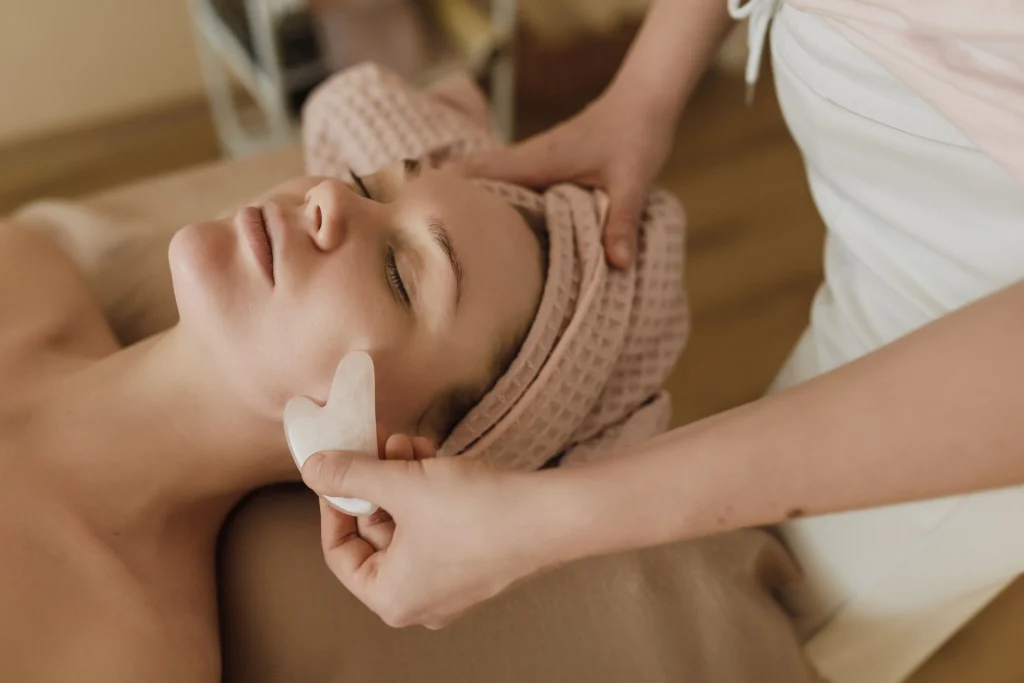
This idea also includes mental well-being. The calming scent of a face oil, the ritual of applying a mask, or the simple act of taking a few moments for self-care can reduce stress. This mental quietude then helps the body function better, which can make a person look and feel more radiant. It’s a positive circle where inner peace supports outer glow, and outer care helps foster inner peace.
When we talk about the connection between beauty and a wider sense of well-being, it’s hard not to think about Gwyneth Paltrow beauty wellness and the company she started, Goop. Goop has been at the forefront of popularizing this idea that beauty isn’t just skin deep. It presents beauty products alongside advice on healthy eating, fitness routines, mental clarity, and even spiritual practices.
Paltrow’s company made a name for itself by suggesting that personal care is a comprehensive project. It offers everything from skincare and makeup to supplements, cookbooks, and even tools for meditation or sexual health. The message is clear: all these parts of your life are connected, and true beauty comes from caring for every aspect of yourself. Goop’s popularity illustrates how many people are now looking for brands that offer more than just a quick fix for an external problem. They want a philosophy, a way of living that makes them feel good from the inside out, and that includes their beauty choices.
This approach has shown a lot of people that beauty can be part of a larger discussion about health, personal growth, and self-care. It’s an example of how a brand can move beyond traditional beauty marketing and create a whole world of products and ideas that address a person’s complete well-being.
Another fascinating part of this shift is how beauty products are now designed with emotional wellbeing beauty products in mind. It’s not just about what an ingredient does for your skin; it’s also about how the experience of using it makes you feel. Think about products with calming lavender for sleep, energizing citrus scents for morning routines, or even textures that feel soothing and comforting.
Many brands are now creating products that act as small rituals throughout the day. A face mist might be marketed not just for hydration, but as a moment to pause and reset. A bath oil might be about more than just soft skin; it could be about creating a peaceful evening routine to de-stress. These products are tapping into the idea that simple acts of self-care can have a real impact on our mental state.
This focus on feeling good is a significant change. It recognizes that stress, anxiety, and a busy mind can affect physical appearance. By offering products that encourage moments of calm, joy, or mindfulness, beauty companies are helping people manage their emotional health, which can, in turn, improve their outward appearance. It shows a growing understanding that emotional well-being is a key ingredient in looking and feeling beautiful.
The idea that beauty is deeply tied to how we live our lives, or the beauty and lifestyle connection, is now a cornerstone of this new trend. It’s no longer just about the products you buy; it’s about the choices you make every day. Are you getting enough sleep? Are you eating nutritious foods? Are you managing stress effectively? Do you move your body regularly? All these things are now seen as essential parts of a beauty routine.
This perspective means that beauty advice often comes with recommendations for healthy habits. A skincare line might suggest a diet rich in antioxidants, or a haircare brand might talk about the importance of reducing stress for healthier hair growth. It’s about seeing personal care as part of a larger commitment to a healthy way of living.
This connection also means that beauty is becoming less about strict rules and more about personal rituals and choices that support individual well-being. It encourages people to listen to their bodies and minds, choosing products and practices that genuinely make them feel good and contribute to a balanced life. It’s a movement towards a more authentic, integrated sense of self-care.
If you’re interested in bringing this new way of thinking into your own life, here are a few simple ways to begin:
By making these small adjustments, people can move towards a beauty routine that supports their entire well-being, not just their outward appearance.