For too long, “taste” has been relegated to the realm of personal preference, a subjective whim best left to individual choice. We often think of it as something one simply “has” or “doesn’t have,” a matter of arbitrary liking or disliking. Yet, a closer examination reveals a profound truth: in today’s crowded commercial world, a refined understanding of aesthetics, quality, and cultural resonance is far from arbitrary. Instead, Taste as a Business Competence stands out as a critical, definable skill, offering a measurable edge in competitive markets.
This isn’t about fleeting trends or superficial style. It’s about a deep, cultivated discernment that allows individuals and organizations to make astute selections, refine offerings, and demonstrate a keen commercial understanding. This capacity is rapidly becoming indispensable for brand distinction and market leadership, moving beyond mere opinion to a strategic asset. Think of it as a finely tuned instrument for perceiving value, anticipating desires, and shaping the very fabric of consumer experience.

When we talk about taste in business, we’re not discussing personal likes or dislikes regarding a particular shade of blue or a specific musical genre. We refer to an educated capacity for discerning quality, relevance, and appeal within a given market segment. It’s a form of strategic judgment in business, where decisions about product design, brand messaging, retail environments, and customer interactions are guided by an acute perception of what resonates with a target audience and why.
This commercial form of taste involves several dimensions:
This skill goes beyond simply identifying what looks “good.” It involves comprehending the underlying principles that make something enduringly desirable, commercially viable, and capable of commanding a premium.
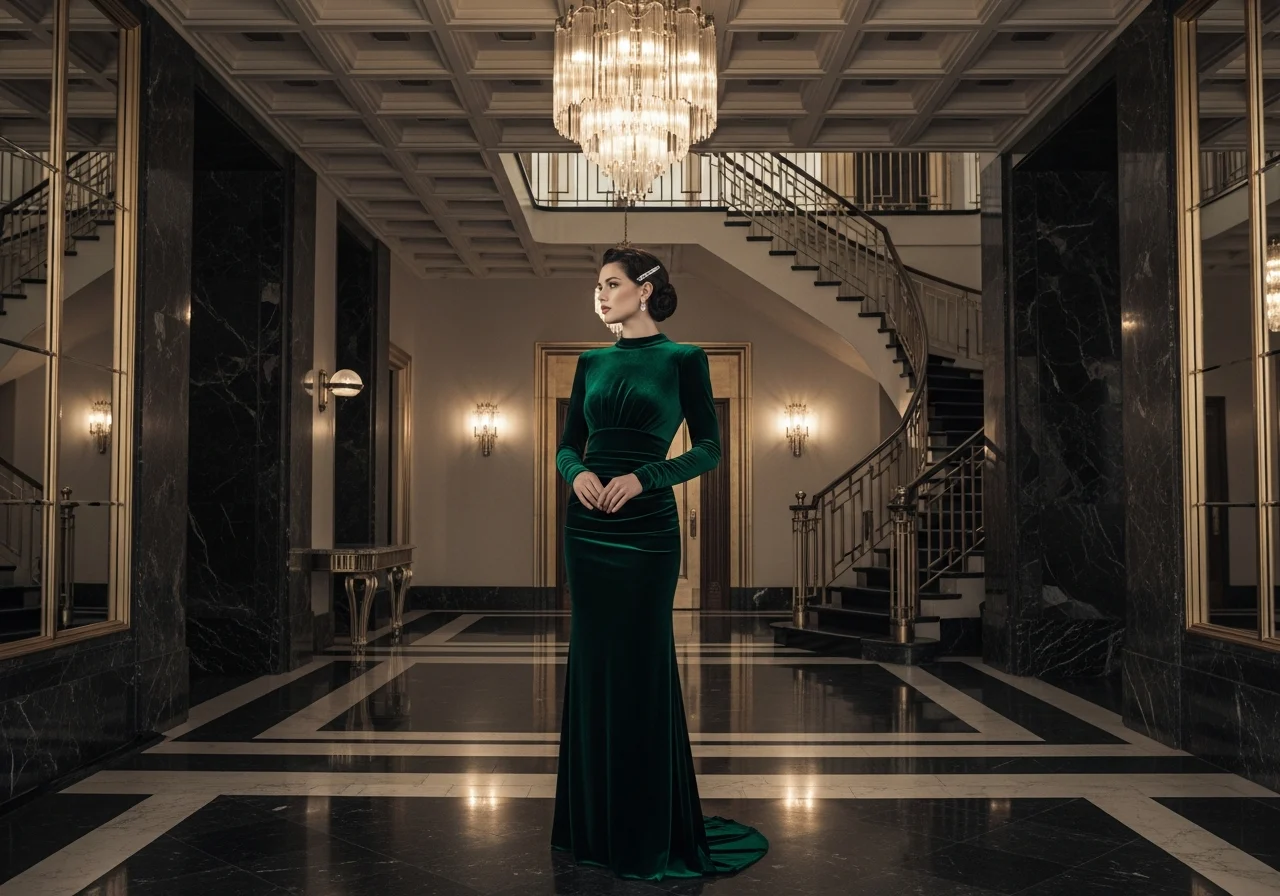
In a world overflowing with options, the role of selection has never been more vital. This is where curation business strategy takes center stage. Businesses that excel here don’t just offer products; they offer a carefully chosen collection, a thoughtfully assembled narrative that speaks directly to their audience’s aspirations. This strategic selection process is a direct manifestation of cultivated taste.
Consider the sheer volume of goods and services available today. Consumers are overwhelmed. A business with exceptional taste acts as a filter, a trusted guide that sifts through the noise to present only the most relevant, high-quality, and desirable items. This deliberate choice-making process involves:
Such a strategy reduces decision fatigue for consumers, builds trust, and ultimately strengthens brand loyalty. It transforms a transactional relationship into one built on shared values and a particular point of view.
Nowhere is the impact of cultivated taste more apparent than in the realm of luxury brand differentiation. High-end brands do not compete on price; they compete on perceived value, exclusivity, and a distinct identity. Their ability to stand apart, to justify their premium status, rests heavily on a sophisticated application of taste.
A luxury brand’s unique appeal is not accidental. It’s the product of precise, informed decisions about materials, craftsmanship, design, marketing, and the overall customer experience. These decisions are rooted in a deep understanding of what constitutes true quality and lasting appeal. The consistent aesthetic, the meticulous attention to detail, and the refined presentation are all expressions of a particular commercial taste that resonates with a discerning clientele.
This considered approach creates a powerful emotional connection with customers, who seek not just a product, but an extension of a certain lifestyle and a statement of their own discerning standards. The brand itself becomes a symbol of refined judgment.
While aesthetics are certainly a part of taste, the commercial application of this competence extends further. It includes a robust commercial instinct for brands—an innate ability to connect aesthetic choices with market demand and profitability. This isn’t just about what looks appealing; it’s about understanding what will sell, to whom, and at what price, while maintaining brand integrity.
A strong commercial instinct means:
This instinct often appears as intuition, but it is typically built upon years of observation, experience, and a keen awareness of both the creative and financial sides of a business. It’s the capacity to see how a particular design element or a specific material choice will translate into customer engagement and ultimately, revenue. It’s about making choices that are both culturally relevant and economically sound.
Few individuals exemplify Taste as a Business Competence quite like Lauren Santo Domingo. As a co-founder of Moda Operandi, she has demonstrated how a highly refined personal aesthetic can be meticulously translated into a commercially successful enterprise. Her career illustrates the deliberate selection, refinement, and astute commercial understanding needed to thrive in the luxury sector.
Santo Domingo’s approach to Moda Operandi was groundbreaking. She didn’t just showcase existing fashion; she provided a platform for customers to pre-order looks directly from the runway, often months before they were available elsewhere. This required:
Her success is not simply about having “good taste” in the conventional sense; it’s about having a commercial taste that accurately predicts market movements, identifies lucrative opportunities, and builds a sustainable business model around a specific, cultivated point of view. She transformed subjective appreciation into a tangible, revenue-generating asset, demonstrating that taste is a skill that can be honed, applied, and measured for its business impact.
The good news is that taste, as a business competence, is not an immutable trait. It can be developed and refined through exposure, critical analysis, and continuous learning. Businesses and individuals seeking to cultivate this skill should consider:
In an economy where differentiation is paramount, merely offering a product or service is no longer enough. The ability to select, refine, and present offerings with a cultivated sense of commercial taste is what distinguishes leaders from followers. It’s the capacity to not only meet but anticipate and shape consumer expectations, crafting experiences that are not just consumed, but truly appreciated.
Ultimately, the recognition of taste as a core business competence marks a significant shift. It elevates what was once considered a soft skill into a hard advantage, proving that a discerning eye, combined with sharp commercial acumen, is indeed the key to standing out and excelling in today’s demanding marketplace.