For generations, the concept of luxury centered on material possessions, rare items, and obvious displays of affluence. Think of grand estates, exotic motor vehicles, or exclusive jewelry. While these items still hold appeal, a significant change has occurred in the preferences of prosperous consumers. Today, a new, more refined standard of wealth has taken root, one that places immense value on something money cannot directly buy: time. This concept, often called the “Luxury of Time,” represents the pinnacle of high-end service, moving beyond mere opulence to deliver a commodity more precious than gold.
This article serves as a strategic manual for high-end service providers aiming to refine their offerings. It will explore how to construct and provide services that champion the ‘Luxury of Time’ for wealthy patrons. Our focus will be on achieving superior efficiency, profound personalization, and truly smooth client interactions, drawing inspiration from leading customer-focused philosophies. Understanding and delivering this new form of luxury is no longer an advantage; it is a fundamental requirement for success in the upper echelons of the service industry.
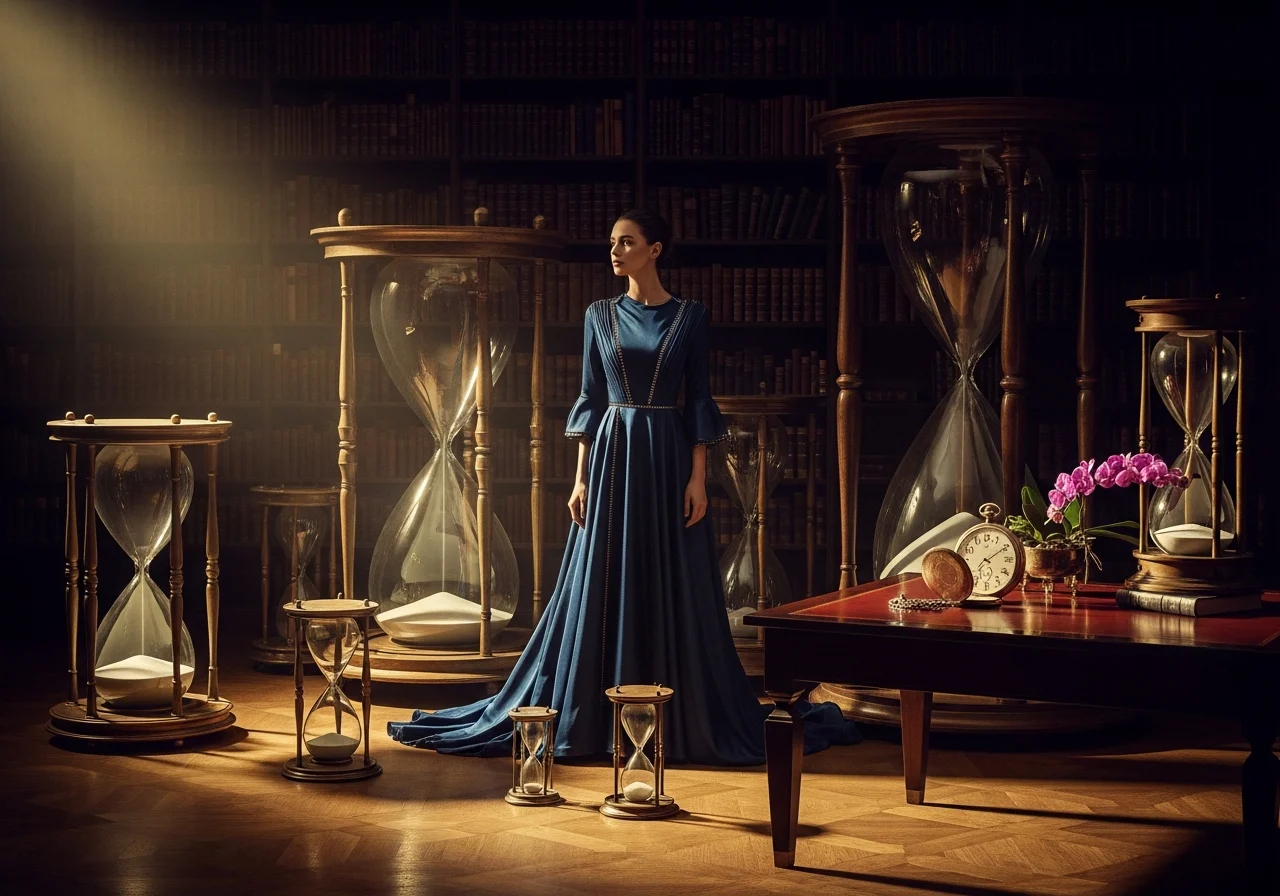
The contemporary wealthy individual possesses characteristics distinct from those of past eras. While they certainly have financial resources, their lives are often packed with responsibilities, commitments, and a constant search for meaningful experiences. These are individuals whose schedules are frequently booked, where every minute holds value, and where mental bandwidth is a finite resource. For them, the biggest struggle is not acquiring more things, but rather finding enough hours in the day to enjoy their lives, pursue their passions, and maintain their well-being.
Current affluent consumer trends indicate a strong preference for services that free up their personal time. They seek solutions that simplify complex processes, remove administrative burdens, and anticipate their needs before they even voice them. The expectation has moved from simply receiving a good product or service to experiencing a significant gain in personal freedom and mental peace. Providers who recognize this fundamental shift and design their operations around preserving and enhancing a client’s time will find themselves at a distinct advantage.
The rise of the experience economy luxury shows a clear direction in consumer spending. People are increasingly choosing to invest in moments, memories, and personal growth rather than just physical goods. For the affluent, this tendency is particularly strong. A fine dining experience that saves them the hassle of planning, a bespoke travel itinerary that handles every detail, or a wellness program that fits perfectly into their busy schedule are all examples of how time becomes the central offering. It is not just about the quality of the food, the destination, or the treatment, but the ease and enjoyment derived from the entire process.
When time becomes the core product, high-end services must re-evaluate their entire delivery model. Is the booking process straightforward? Does the service require minimal input from the client? Are potential delays or inconveniences proactively addressed? The perceived value of a service increases exponentially when it allows clients to reclaim hours they would otherwise spend on logistics, waiting, or problem-solving. This approach transforms service providers into guardians of their clients’ most valuable asset, creating a bond of trust and loyalty that material gifts seldom achieve.
To deliver the ‘Luxury of Time,’ service providers must make efficiency a central pillar of their operations. This requires a thorough review of every client touchpoint, looking for opportunities to simplify, accelerate, and remove any obstacles. Consider the entire client journey, from initial inquiry to post-service follow-up. Where are the points of delay? What tasks consume the client’s attention unnecessarily? Addressing these questions is crucial.
By focusing on these areas, providers can significantly reduce friction and deliver an experience that feels genuinely easy and respectful of the client’s schedule.
Beyond mere efficiency, true ‘Luxury of Time’ involves deep personalization high-end services. This goes far beyond simply knowing a client’s name or their preferred drink. It means understanding their deeper preferences, their lifestyle, their family dynamics, and even their moods. It is about crafting an experience that feels uniquely tailored, as if every detail was chosen specifically for them, without them having to ask.
Achieving this level of personalization demands a multi-faceted approach:
When personalization is executed well, it makes clients feel truly seen and valued, reinforcing the idea that their time is being managed with the utmost care and consideration.
A truly seamless customer experience is one where the client perceives no breaks, no inconsistencies, and no unnecessary effort across all interactions with a service provider. Every touchpoint, whether digital or in-person, should feel connected and coherent, creating a continuous flow that respects the client’s time and attention. This requires careful orchestration and a holistic view of the service journey.
Key elements in constructing such an experience include:
By meticulously designing and managing these aspects, providers can create a service environment where every interaction contributes to a sense of ease and efficiency, solidifying the perception of ‘Luxury of Time’.
The landscape of luxury is undergoing a profound transformation, moving its focus from material possessions to the invaluable commodity of personal time. For high-end service providers, understanding and prioritizing the ‘Luxury of Time’ is not just a trend; it represents a fundamental shift in what constitutes true value for the affluent consumer. By concentrating on superior efficiency, deep personalization, and the creation of smooth customer journeys, businesses can position themselves at the forefront of this new era.
The strategic challenge for providers is to critically examine their current service models. Are they truly saving their clients time? Are their offerings deeply personalized to individual needs? Do their customer interactions feel genuinely smooth and unburdened? Those who successfully adapt and re-engineer their services around these principles will not only meet but exceed the evolving expectations of their most discerning clients, securing their place as leaders in the redefined world of luxury.