In a world increasingly shaped by rapid production and fleeting trends, there exists a realm where patience, precision, and personal touch reign supreme. This is the domain of contemporary jewellery craftsmanship, a fascinating intersection where age-old skills meet modern design sensibilities. For those who appreciate objects with a soul, a history, and an individual spirit, understanding the meticulous processes behind a piece of jewellery elevates its status from mere adornment to a cherished work of art. This article delves into the intricate world of master jewellers, exploring how their dedication to traditional methods and personal artistry infuses each creation with profound worth.
The discerning collector and enthusiast seek more than just precious metals and gemstones; they desire a narrative, a testament to human ingenuity and skill. This quest for authenticity leads directly to the workshops where contemporary jewellery craftsmanship is not merely a practice, but a philosophy. It speaks to a commitment to quality that stands in stark contrast to the uniformity of mass-produced items, offering pieces that carry a unique signature and a story waiting to be discovered.
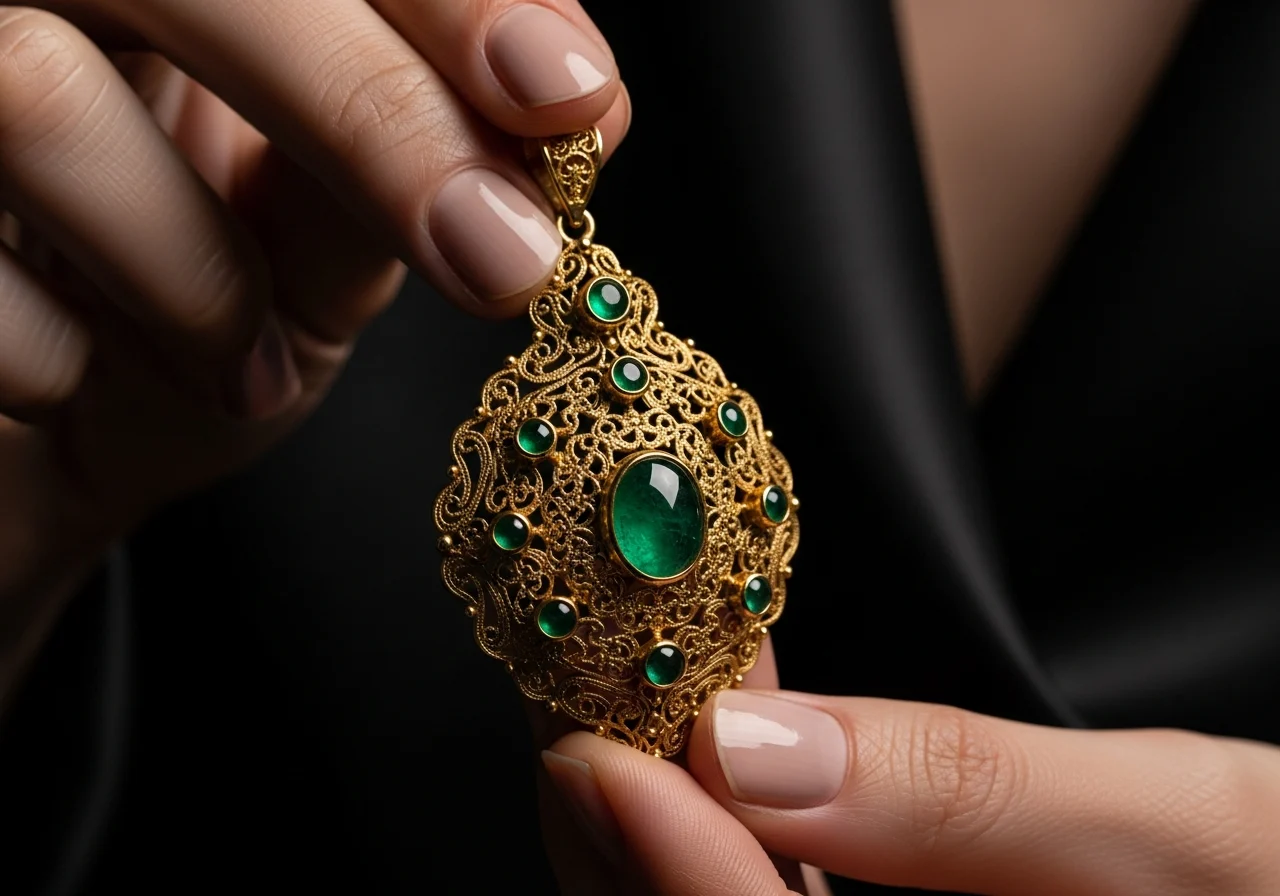
What sets contemporary jewellery craftsmanship apart? It is a deliberate choice to prioritize human skill over mechanical replication. This approach involves a deep understanding of materials – gold, silver, platinum, various gemstones – and an intimate knowledge of how to manipulate them. A contemporary piece, while modern in aesthetic, often owes its existence to techniques honed over centuries. It’s about creating objects that are visually compelling today, yet constructed with a robustness that promises longevity, becoming heirlooms for future generations.
The journey of a handcrafted jewel commences with an idea, a sketch, which then slowly takes form through a series of demanding, detailed operations. Each bend, solder, polish, and setting contributes to the final article, reflecting the maker’s expertise. This detailed process ensures that no two pieces are ever entirely identical, each possessing subtle variations that attest to its handmade origin. This distinctiveness is a cornerstone of its appeal, offering something truly individual in a market often saturated with repetition.
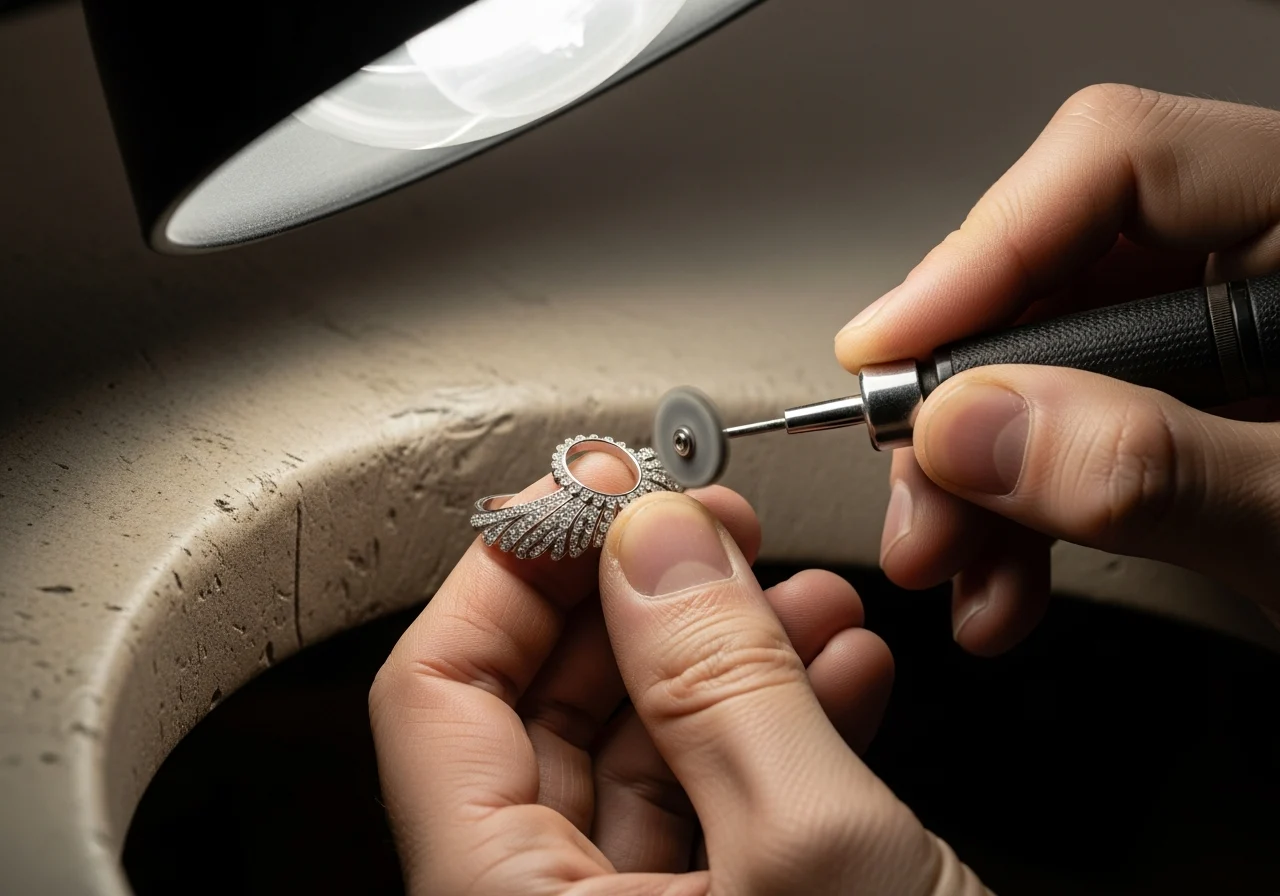
The foundation of much exquisite modern jewellery lies in traditional jewellery making techniques. These are not simply antiquated methods; they are sophisticated approaches passed down through generations, refined and perfected. Consider the ancient art of lost-wax casting, where a wax model, meticulously sculpted, is encased in a mold and then melted away, leaving a cavity for molten metal. This method allows for intricate details and complex forms that would be challenging, if not impossible, to achieve through other means.
Other vital methods include:
These traditional jewellery making techniques are not merely historical footnotes; they are active tools in the contemporary jeweller’s arsenal. They provide a palette of textures, forms, and finishes that allow for immense creative expression, linking the present day with a rich artisanal heritage. The mastery of these skills is a testament to years of dedicated practice, turning raw materials into articles of profound beauty.
Once a piece has been formed, its true character emerges through the painstaking process of hand-finishing jewellery. This stage is where raw metal transforms into a lustrous surface, and gemstones are securely placed to maximize their brilliance. It is a series of operations that demands patience, an acute eye for detail, and a steady hand.
Key aspects of hand-finishing jewellery include:
The difference between a mass-produced item and one that has undergone diligent hand-finishing jewellery is immediately apparent. The edges are smoother, the surfaces more refined, the details sharper. It is these subtle perfections that convey a sense of genuine quality and care, distinguishing an item crafted with intention from one merely manufactured.
Beyond the established historical methods, each jeweller develops their own unique artisan jewellery techniques. These individual approaches are what give a piece its distinctive voice and allow the maker’s personality to shine through. An artisan’s technique might involve a particular way of forging metal, a proprietary alloying formula, an innovative stone-cutting method, or a signature surface treatment.
The development of these personal artisan jewellery techniques often stems from years of experimentation, problem-solving, and a relentless pursuit of artistic vision. It is this personal investment that imbues the jewellery with a soul. When you acquire a piece from an artisan, you are not simply buying an object; you are acquiring a piece of their creative journey, a tangible expression of their skill and imagination. This human element is a crucial aspect of its worth, offering a connection to the maker that factory-made items simply cannot provide.
The true value of handcrafted jewellery extends far beyond its material components. It encompasses the skill, time, and artistic vision invested in its creation. For discerning buyers, this worth is multifaceted:
The pursuit of the value of handcrafted jewellery is a search for authenticity in an increasingly synthetic world. It is a choice to invest in lasting beauty and genuine artistry.
Contemporary jewellery craftsmanship stands as a powerful bridge between historical methods and forward-thinking design. Jewellers today are not merely replicating antique styles; they are reinterpreting and reimagining them. An ancient filigree technique might be used to create a strikingly minimalist pendant, or the robust quality of traditional forging could form the basis of an architectural ring. This dialogue between eras produces pieces that are both deeply rooted in tradition and strikingly current.
The creative tension between respecting heritage and pushing boundaries is what gives this field its dynamic energy. It allows for innovation that is grounded in proven techniques, ensuring that even the most avant-garde designs possess an underlying structural integrity and a profound connection to the history of adornment.
In conclusion, the world of contemporary jewellery craftsmanship offers a compelling alternative to the ubiquitous. It is a realm where the human touch transforms raw materials into objects of desire, imbued with character and lasting appeal. From the mastery of traditional jewellery making techniques to the precision of hand-finishing jewellery, and the unique flair of individual artisan jewellery techniques, every stage contributes to the profound value of handcrafted jewellery.
For those who seek more than superficial beauty, who appreciate the narrative woven into every curve and facet, these pieces represent a significant acquisition. They are not merely accessories but tangible expressions of art, skill, and dedication, destined to be cherished, admired, and passed down through generations, each telling its own quiet story of creation and enduring elegance.