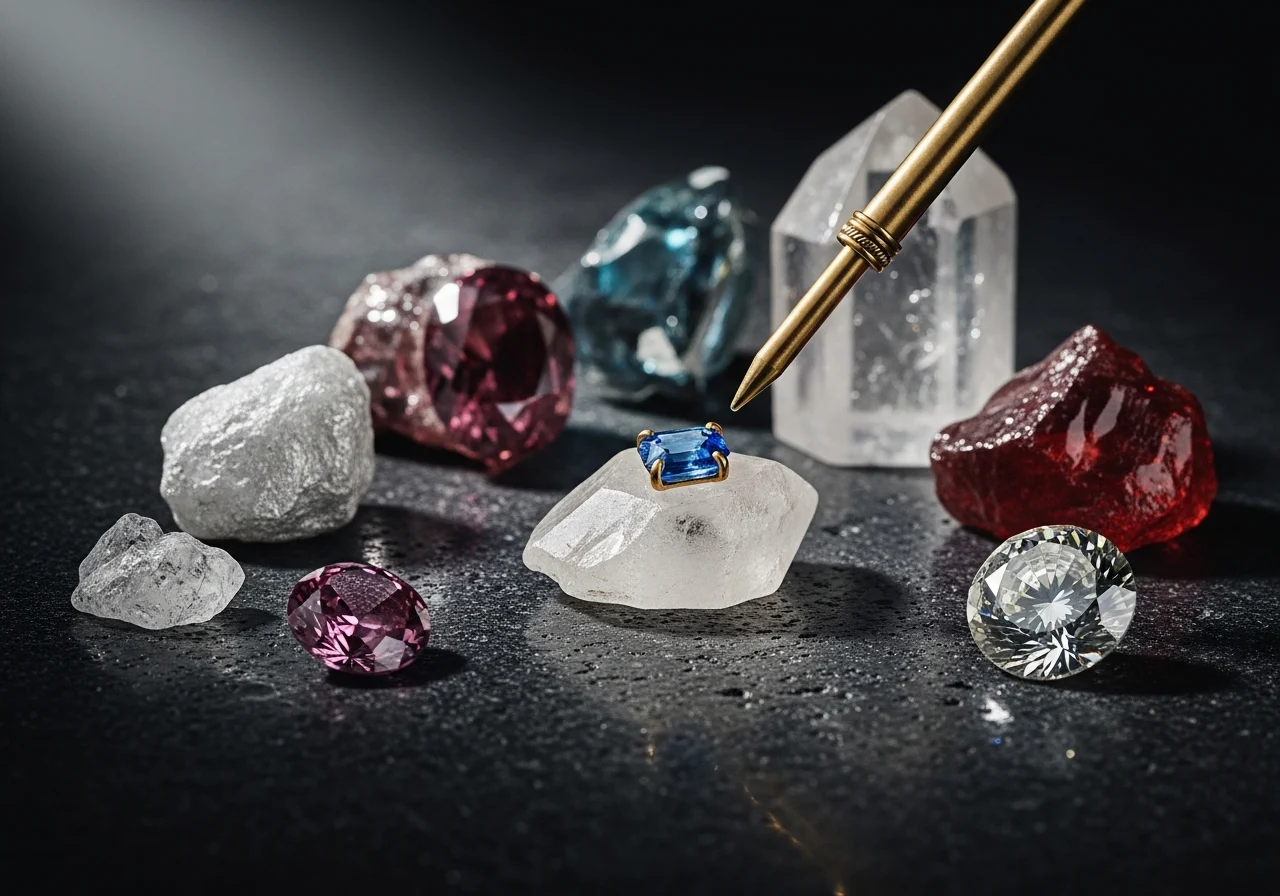
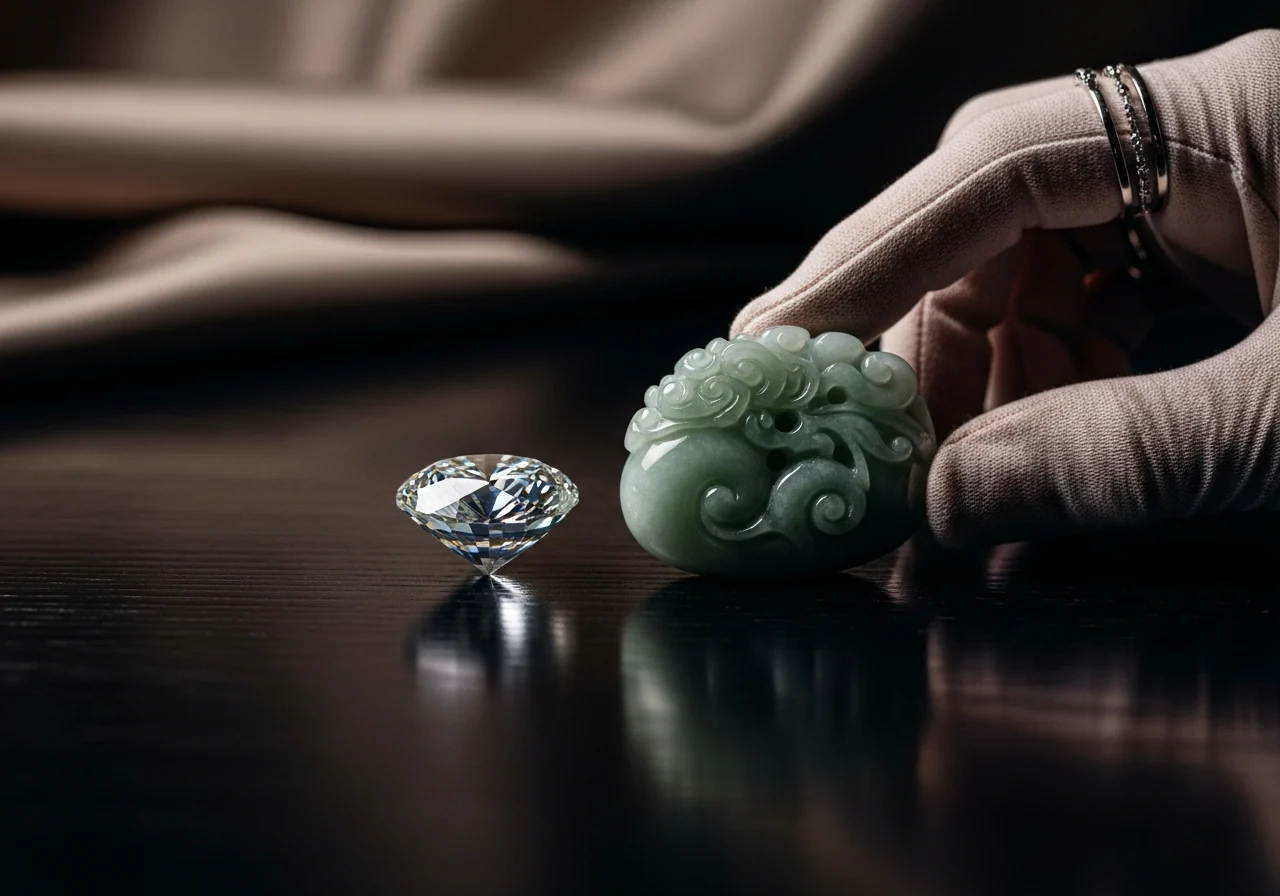
In the world of fine adornment, a gemstone’s visual appeal often captures immediate attention. Yet, for pieces intended for regular use, enduring quality holds equal, if not greater, importance than mere beauty. This publication delves into the practical science behind selecting stones that can withstand the rigors of daily life, offering a comprehensive gemstone wearability guide for discerning collectors and casual wearers alike. Understanding how various gems react to scratches, impacts, and environmental factors is key to making informed selections that bring lasting satisfaction.
The decision to acquire a new piece of jewelry extends beyond its sparkle or hue. When considering items meant to become staples in one’s personal collection, practical considerations regarding the stone’s resilience become paramount. This article aims to empower jewelry purchasers and gemstone enthusiasts with vital insights into gemstone longevity, moving past superficial charm to focus on features that ensure prolonged enjoyment.
The Pillars of Gemstone Endurance: Hardness, Toughness, and Stability
To truly appreciate which gemstones are most suitable for consistent wear, it is crucial to grasp the fundamental concepts that define their durability. A gemstone’s ability to resist damage is a complex interplay of three distinct characteristics:
Hardness: This refers to a gemstone’s resistance to scratching. It is primarily measured using the Mohs scale.
Toughness: This describes a gemstone’s resistance to breaking, chipping, or fracturing when subjected to impact.
Stability: This indicates a gemstone’s resistance to chemical alteration, heat, or light exposure.
For daily wear, a gemstone should ideally exhibit high ratings in all three areas. However, some stones may excel in one aspect while being weaker in another, necessitating careful consideration of their intended use.
Decoding the Mohs Hardness Scale for Gemstones
The Mohs hardness scale for gemstones is an essential tool for evaluating a gem’s scratch resistance. Developed by German mineralogist Friedrich Mohs in 1812, this qualitative ordinal scale ranks minerals from 1 (softest) to 10 (hardest) based on their ability to scratch one another. It is important to note that the scale is not linear; the difference in hardness between a 9 and a 10 is significantly greater than between a 1 and a 2.
1-2: Very soft (e.g., Talc, Gypsum) – Not suitable for jewelry.
3-4: Soft (e.g., Calcite, Fluorite) – Generally not recommended for rings or bracelets.
5-6: Medium (e.g., Apatite, Orthoclase Feldspar) – Can be used with protective settings or in less exposed jewelry like pendants.
7-8: Hard (e.g., Quartz, Topaz, Spinel) – Good for daily wear, but care is still advised.
9-10: Very Hard (e.g., Corundum – Ruby/Sapphire, Diamond) – Excellent choices for everyday jewelry.
A gemstone with a Mohs hardness of 7 or higher is generally considered appropriate for daily wear, as it resists scratching from common household dust, which contains quartz particles (hardness 7). Anything softer will show signs of wear more quickly.
Demystifying Gemstone Toughness vs Hardness
The distinction between gemstone toughness vs hardness is critically important, particularly for items that might experience accidental bumps. A gem can be exceptionally hard, meaning it resists scratches, yet still be relatively brittle, meaning it might chip or break with a sharp impact. Conversely, a gem might be softer but possess remarkable toughness, making it highly resistant to fracturing.
Hardness addresses surface damage. A diamond (hardness 10) can scratch any other known mineral.
Toughness addresses structural integrity. A diamond, despite its hardness, can cleave along specific planes if struck precisely. Jadeite, with a hardness of 6.5-7, is renowned for its exceptional toughness, making it incredibly resistant to breaking.
For jewelry like rings and bracelets, which are more susceptible to impacts, a stone with both high hardness and good toughness offers the best protection against damage. Earrings and pendants, being less exposed, might permit the use of gems with slightly lower toughness ratings.
Durable Gemstones for Jewelry: Our Top Selections
Considering both hardness and toughness, certain gemstones stand out as superior choices for those seeking durable gemstones for jewelry meant for consistent wearing. Here is a curated list of excellent options:
1. Diamond (Mohs Hardness 10)
Hardness: 10
Toughness: Excellent (though it has perfect cleavage, making it vulnerable to breaking along specific planes if struck just right).
Why it’s great for daily wear: Unmatched hardness makes it incredibly scratch-resistant. Its high thermal conductivity also makes it resistant to heat damage. Its brilliance remains undiminished over time with proper care.
Care Tips: Clean with a soft brush and mild soapy water. Avoid harsh chemicals.
2. Sapphire and Ruby (Corundum, Mohs Hardness 9)
Hardness: 9
Toughness: Excellent
Why it’s great for daily wear: These varieties of corundum are second only to diamond in hardness, making them highly resistant to scratching. Their toughness is also very high, providing excellent resistance to chipping and breaking. Available in a spectrum of colors (sapphire) and classic red (ruby).
Care Tips: Generally very stable. Can be cleaned with ultrasonic cleaners, steam cleaners, or warm soapy water.
3. Chrysoberyl (Mohs Hardness 8.5)
Hardness: 8.5
Toughness: Excellent
Why it’s great for daily wear: A lesser-known but incredibly robust gemstone. This category includes alexandrite (a color-changing variety) and cat’s eye chrysoberyl. Its high hardness and exceptional toughness make it a superb choice for any jewelry item intended for frequent use.
Care Tips: Very stable and resistant to chemicals. Warm soapy water is sufficient for cleaning.
4. Spinel (Mohs Hardness 8)
Hardness: 8
Toughness: Good to Very Good
Why it’s great for daily wear: Spinel is often mistaken for ruby or sapphire due to its similar appearance and impressive durability. It comes in a range of beautiful colors, including red, pink, blue, and purple. Its hardness and good toughness make it a reliable option.
Care Tips: Stable under normal conditions. Can be cleaned with warm soapy water.
5. Topaz (Mohs Hardness 8)
Hardness: 8
Toughness: Fair to Good (due to perfect cleavage)
Why it’s great for daily wear: While very hard and resistant to scratches, topaz possesses perfect cleavage, meaning it can split along certain internal planes if struck sharply. Despite this, its hardness makes it a popular and generally reliable stone, especially in protected settings.
Care Tips: Avoid sharp impacts. Clean with warm soapy water.
6. Garnet (Mohs Hardness 6.5-7.5)
Hardness: 6.5-7.5 (varies by species)
Toughness: Good to Very Good (varies by species)
Why it’s great for daily wear: Garnets are a diverse group of minerals with various colors and compositions. Most varieties, like almandine and pyrope, are sufficiently hard and tough for everyday wear, offering a spectrum of deep reds, oranges, and greens.
Care Tips: Generally stable. Avoid extreme heat for some types. Warm soapy water is safe.
Why it’s great for daily wear: Quartz is a very common and affordable mineral, encompassing popular gemstones like amethyst (purple), citrine (yellow-orange), smoky quartz (brown-grey), and rose quartz (pink). Its hardness of 7 makes it suitable for daily wear, as it is harder than common dust.
Care Tips: Generally stable. Avoid prolonged exposure to intense sunlight for amethyst, which can fade its color. Warm soapy water is fine.
8. Jade (Nephrite and Jadeite, Mohs Hardness 6-7)
Hardness: 6-7
Toughness: Exceptional
Why it’s great for daily wear: While its hardness is not as high as sapphire or diamond, jade (especially jadeite) is celebrated for its extraordinary toughness. Its intergrown, fibrous crystal structure makes it incredibly resistant to breaking or chipping, often surpassing much harder stones in this regard. This makes it an outstanding choice for frequently worn jewelry.
Care Tips: Very stable. Can be cleaned with warm soapy water.
Gemstones Requiring Extra Vigilance for Daily Wear
Some gemstones, despite their beauty, possess characteristics that make them less suitable for constant exposure to the elements of daily life. These might be softer, more brittle, or sensitive to chemicals or light.
Emerald (Mohs Hardness 7.5-8, but often fractured): While relatively hard, emeralds frequently contain natural inclusions and fissures, making them more susceptible to chipping and breaking. Many are also treated with oils or resins to improve appearance, which can be affected by cleaning.
Opal (Mohs Hardness 5.5-6.5): Opals are relatively soft and also have a high water content, making them prone to dehydration, cracking, and scratching. They are best reserved for occasional wear or protective settings.
Pearls (Mohs Hardness 2.5-4.5): As organic gems, pearls are quite soft and porous. They are vulnerable to scratches, acids, perfumes, and other chemicals. They should be the last thing put on and the first thing taken off.
Peridot (Mohs Hardness 6.5-7): Though moderately hard, peridot can be brittle and is sensitive to strong acids and thermal shock (sudden temperature changes).
Tanzanite (Mohs Hardness 6-7): This beautiful blue-violet gem possesses perfect cleavage, similar to topaz, and is also sensitive to thermal shock and some acids. It is better suited for earrings or pendants.
Practical Recommendations for Gemstone Longevity
Even the most robust gemstones benefit from thoughtful handling and care. Observing a few simple practices can significantly extend the life and beauty of your cherished pieces:
Setting Selection: For rings, consider protective settings such as bezels, which completely encircle the stone, offering superior protection against impacts compared to prong settings.
Activity Awareness: Remove jewelry, especially rings, before engaging in strenuous activities like gardening, sports, cleaning, or cooking.
Cleaning Regimen: Clean your jewelry regularly with appropriate methods. For most durable stones, warm water, a mild detergent, and a soft brush are sufficient. Always rinse thoroughly and dry with a soft cloth. Avoid harsh chemicals or abrasive cleaners.
Storage Practices: Store each piece of jewelry separately in a soft pouch or a lined box to prevent harder stones from scratching softer ones.
Routine Inspections: Have your jewelry professionally inspected periodically. A jeweler can check for loose prongs, worn settings, or other potential issues before they lead to stone loss or damage.
Final Thoughts on Selecting Your Daily Gems
The journey of choosing gemstones for everyday wear goes beyond simply admiring their appearance. It involves a practical understanding of their inherent qualities – their resistance to scratching, their capacity to withstand impacts, and their stability in various environments. By prioritizing these characteristics, particularly those with high Mohs hardness and good toughness, jewelry enthusiasts can make selections that truly endure. This detailed gemstone wearability guide aims to equip you with the knowledge to select pieces that not only look magnificent but also stand up to the test of time, becoming enduring parts of your personal style for many years.
S.elective Shopping
A considered guide to what matters now — and how it is worn.
By signing up, you confirm acceptance of the User Agreement and acknowledgment of the Privacy Policy.
S.elective speaks in the international language of fashion, tracing the forces and ideas that shape how style moves across cities and cultures. Rare conversations with influential voices meet imagery created by the creative minds defining the present moment. Global. Vibrant. Enduring. Positioned within the industry, resonating far beyond it — a space of clarity, curiosity, and lasting perspective.