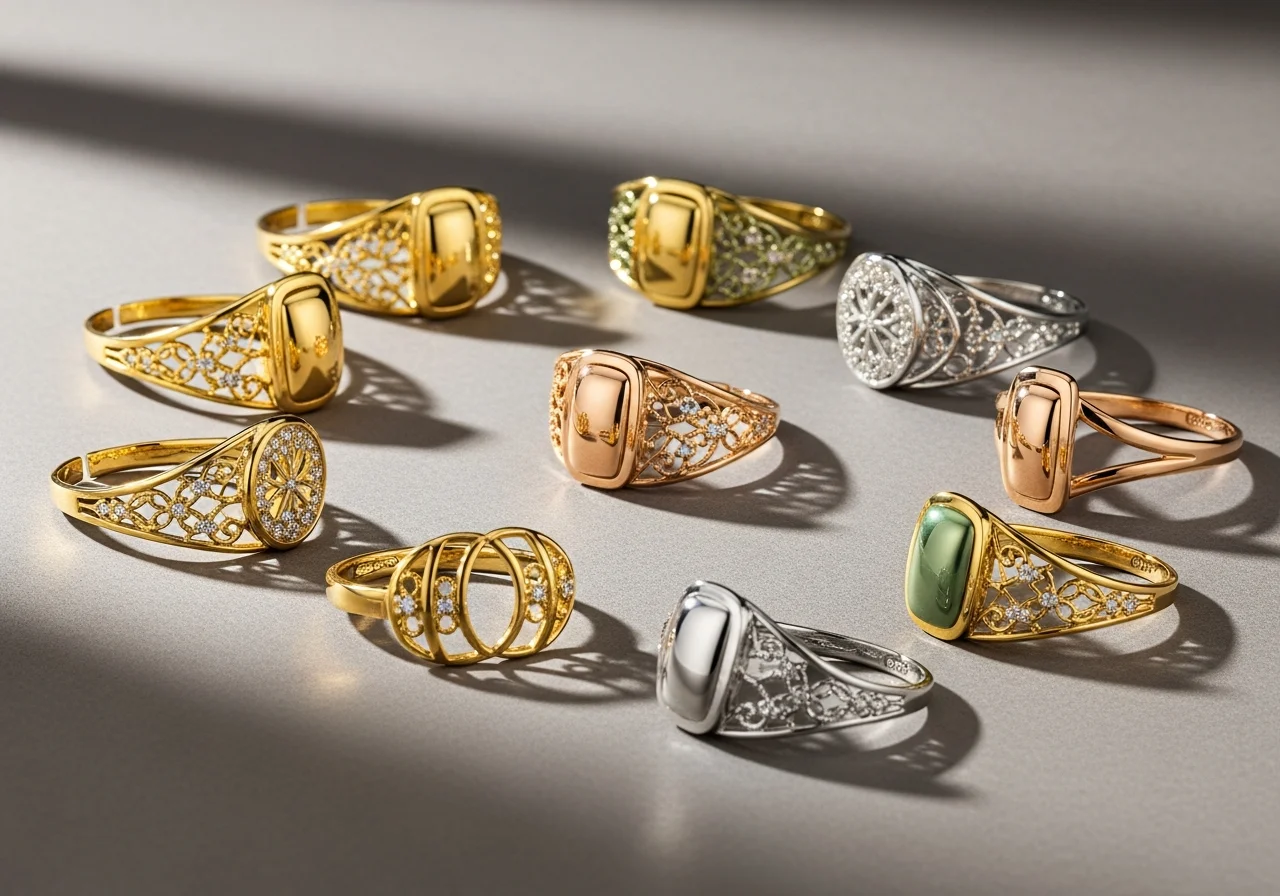
Gold has captivated humanity for millennia, a metal cherished for its enduring luster and inherent value. Yet, when we speak of gold jewelry, we often refer to beyond a single shade. From the classic warmth of yellow to the sleek sophistication of white and the romantic blush of rose, gold presents a fascinating array of colors, each with its own story and characteristics. Understanding these differences is key to making informed choices for your precious adornments.
This article aims to clarify the fundamental distinctions between these popular gold variations. We will delve into how these distinct colors are created, examine their inherent toughness, and discuss what to expect regarding their appearance over time. Our exploration will empower you to select and care for your jewelry with greater confidence, ensuring lasting satisfaction with your chosen pieces.
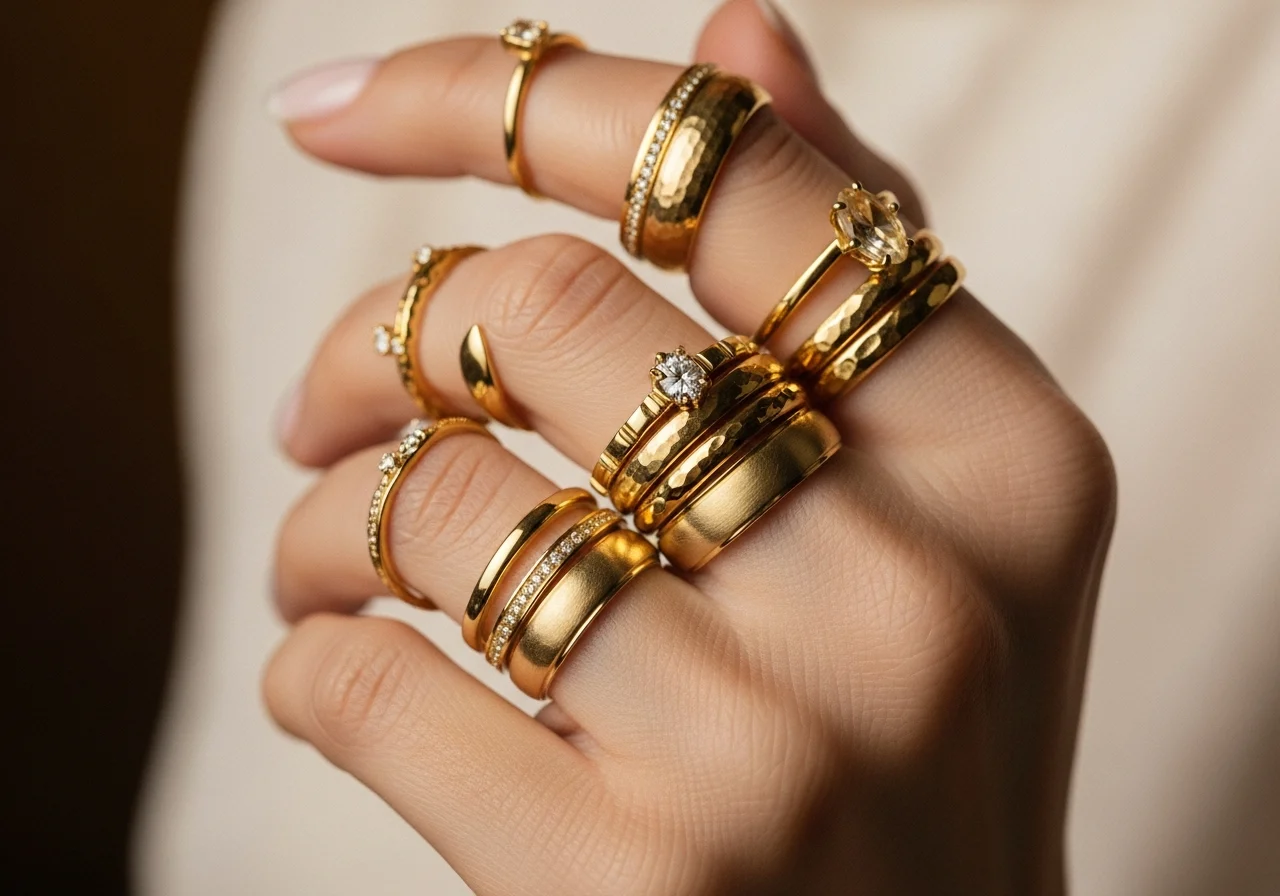
At its purest, gold is a naturally soft, bright yellow metal. This 24-karat (24K) gold, while beautiful, is generally too pliable for everyday jewelry that needs to withstand wear and tear. To increase its strength and modify its hue, pure gold is combined with other metals, a process known as alloying. The specific metals added, and their proportions, determine the final color of the gold alloy.
Think of it as a carefully crafted recipe: pure gold forms the base, and other metals act as coloring agents and fortifiers. This metallurgical artistry allows for the creation of various gold colors, each offering a unique aesthetic appeal while maintaining the precious metal’s core qualities. The karatage—the measure of gold purity—indicates the proportion of pure gold in the alloy. For example, 18K gold contains 75% pure gold (18 parts gold out of 24), with the remaining 25% being other metals. 14K gold has 58.3% pure gold, and 10K gold has 41.7% pure gold.
When most people picture gold, they envision the rich, sunny glow of yellow gold. This traditional and widely recognized color holds a significant place in jewelry history and continues to be a favorite for its perennial charm. Its characteristic hue is achieved by mixing pure gold with a combination of silver and copper, sometimes with a touch of zinc.
The precise ratios of these alloying metals influence the exact shade of yellow, ranging from a pale buttery tone to a deeper, more intense golden color. For instance, an 18K yellow gold piece might contain 75% pure gold, 12.5% copper, and 12.5% silver. This specific combination provides both strength and the desired warm yellow appearance.
Yellow gold is generally quite resilient for daily wear. Its color is inherent to the alloy itself, meaning it will not fade or change over time. It is less prone to tarnishing compared to some other metal alloys. However, like all jewelry, it can scratch or dent with impact.
Caring for yellow gold is straightforward. Regular cleaning with mild soap and water, followed by a soft cloth, will help maintain its shine. It is advisable to remove yellow gold jewelry during strenuous activities or when exposed to harsh chemicals to prevent damage to the metal or any gemstones it holds.
For those seeking a more subdued or contemporary aesthetic, white gold offers a gleaming, silvery-white appearance. It is a popular choice that often serves as an alternative to platinum due to its similar look and generally lower cost. Creating white gold involves alloying pure gold with white metals such as palladium, nickel, or silver, sometimes with a small amount of zinc.
Nickel was historically a common alloy, but due to allergic reactions in some individuals, palladium has become a more favored, hypoallergenic alternative, especially in higher-quality white gold. Regardless of the specific white metals used, the alloy itself typically possesses a slightly off-white or grayish hue, not the pure, bright white seen in finished jewelry.
To achieve its signature lustrous white finish, white gold jewelry is almost always coated with a thin layer of a precious metal called rhodium. Rhodium, a member of the platinum family, is exceptionally bright, highly reflective, and resistant to tarnish. This plating provides the desirable crisp white finish that sets white gold apart.
The durability of white gold is a two-part consideration: the underlying alloy and the rhodium plating. The alloy itself is quite strong, often more rigid than yellow gold due to the presence of metals like palladium or nickel. However, the rhodium plating is very thin and will, over time, wear away, especially on areas of high friction such as the underside of rings or bracelet clasps.
When the rhodium plating begins to diminish, the underlying yellowish or grayish tint of the white gold alloy may become visible. This is a normal occurrence and does not indicate a flaw in the jewelry. To restore its lustrous white appearance, white gold requires periodic re-plating with rhodium. The frequency of this white gold maintenance depends on how often the piece is worn and the individual’s lifestyle, but typically ranges from every 12 to 24 months for frequently worn items.
Beyond re-plating, general care involves gentle cleaning with a soft cloth and mild solutions. Avoid abrasive cleaners or harsh chemicals, which can accelerate the wear of the rhodium layer. Regularly inspecting white gold jewelry for signs of plating wear can help you determine when it is time for professional maintenance.
Rose gold, with its distinctive pinkish or reddish hue, has seen a resurgence in popularity, celebrated for its warm and romantic aesthetic. This charming color is created by alloying pure gold primarily with copper. The higher the copper content in the alloy, the more pronounced and redder the pink shade will be. Sometimes, a small amount of silver is also added to slightly soften the color.
For example, 18K rose gold typically contains 75% pure gold and 25% copper, resulting in a distinct pinkish-red tone. 14K rose gold, with a higher percentage of alloying metals (58.3% gold, often around 33% copper, and some silver), can exhibit an even richer, deeper pink. The color is inherent to the metal itself, meaning it is a permanent feature of the alloy.
Rose gold is known for its robustness. The addition of copper, a very strong metal, makes rose gold quite durable and resistant to scratches and dents, often more so than yellow gold. Its color stability is also a significant advantage; since the color is an intrinsic part of the alloy, it will not fade or require re-plating.
Over time, some rose gold pieces may develop a slightly darker, more antique-like patina due to the copper content reacting with air and moisture. This is usually a subtle change and often considered part of the metal’s character by many enthusiasts. Cleaning rose gold is similar to yellow gold: use mild soap, water, and a soft cloth. It is a relatively low-maintenance option that retains its unique appeal with minimal effort.
To summarize the key characteristics, here is a breakdown of the primary distinctions between these three popular gold colors:
Selecting the right gold color for your jewelry piece involves beyond visual preference. Consider these additional points:
The world of gold jewelry is rich with options, extending far beyond the traditional yellow. Each gold color—yellow, white, and rose—offers a distinct aesthetic, a unique composition, and specific considerations regarding its wear and upkeep. Yellow gold provides classic warmth and easy care. White gold presents a modern, bright look but requires occasional rhodium re-plating. Rose gold offers a romantic, durable option with inherent color stability.
By understanding how gold colors are made, their varying levels of gold color durability, and the particular white gold maintenance requirements, potential buyers can approach their jewelry purchases with confidence. Making an informed decision ensures that your chosen gold piece will not only display your personal style but also bring lasting beauty and enjoyment for many years to come.