The quest for healthy, radiant skin often leads individuals down two distinct paths: the convenience of at-home care or the specialized attention of professional clinics. In an age where personal beauty devices promise significant changes and dermatologists offer procedures with impressive outcomes, understanding the true value of each option is key. This article serves as a comprehensive guide, helping consumers determine when to invest in clinic-based procedures, when home solutions suffice or even excel, and how to combine both for optimal results tailored to various skin concerns.
Clinic-based skincare involves procedures performed by licensed professionals, often utilizing equipment and formulations not available for consumer use. These treatments, such as chemical peels, microdermabrasion, laser therapy, and injectables, are designed to address specific, often more pronounced, skin issues with precision and strength. The primary advantages include the expertise of practitioners who can accurately diagnose conditions and recommend appropriate protocols, the use of powerful, medical-grade ingredients, and the ability to achieve more dramatic and rapid improvements.
For individuals seeking significant corrections – reducing deep wrinkles, treating severe acne scarring, or correcting pigmentation issues – professional skincare treatments frequently deliver the most impactful changes. The controlled environment and skilled application minimize risks while maximizing effectiveness. However, these procedures typically come with a higher cost per session, may require downtime for recovery, and necessitate a commitment to multiple appointments for sustained benefits.
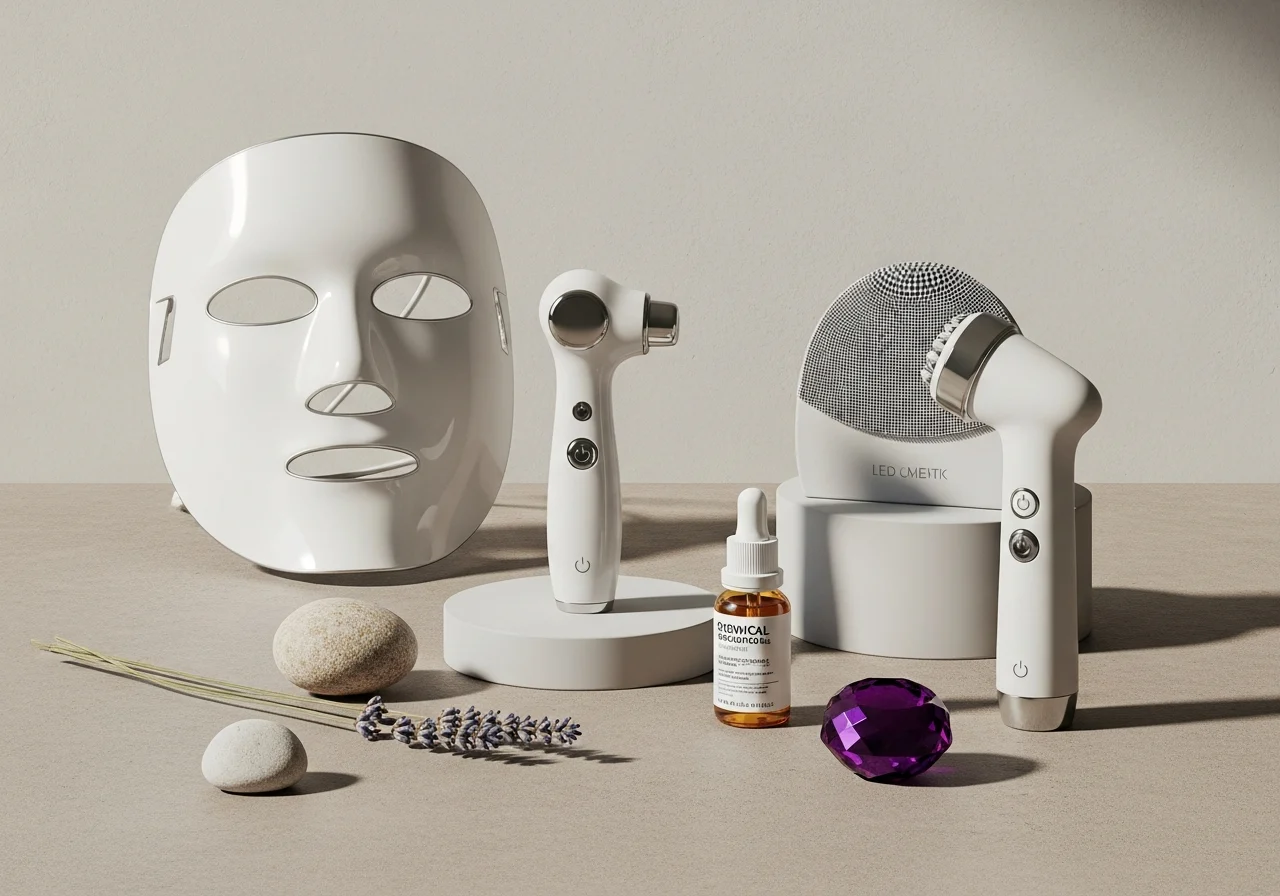
The market for at-home skincare has expanded considerably, offering a wide array of products and devices that bring elements of professional care into one’s own space. From LED masks and microcurrent devices to sonic cleansers and at-home chemical peels, these tools promise to maintain skin health, prevent future damage, and even improve certain concerns. A common question arises: Are at-home beauty devices worth it? For many, the answer is yes, especially when used consistently and correctly.
The main draw of at-home treatments is their accessibility and cost-effectiveness over time. Once an initial investment is made in a device or product, daily or weekly use can contribute to improved skin texture, tone, and overall appearance. These solutions are particularly useful for maintaining the results of professional treatments, addressing minor concerns, or as part of a preventative routine. While it might be ambitious to expect professional skincare results at home instantly, consistent application of high-quality products and devices can yield noticeable and satisfying changes over a longer period.
Considerations for at-home care include the need for user education and skill, the varying efficacy among different products and devices, and the importance of adhering to safety guidelines to prevent irritation or damage. Researching reputable brands and understanding one’s own skin type are essential steps.
When comparing the financial outlay, the disparities between professional and at-home beauty treatments become quite clear. A single professional facial or laser session can range from hundreds to thousands of dollars, depending on the procedure’s complexity and location. While these provide immediate and often profound changes, the cumulative cost of ongoing professional care can be substantial.
At-home solutions, conversely, typically involve a lower initial cost for individual products or devices. A high-quality LED mask might cost a few hundred dollars, but it offers unlimited uses over several years. Serums and creams, while requiring periodic replenishment, are generally less expensive per application than clinic treatments. For long-term maintenance and preventative care, at-home routines often present a more budget-friendly approach. The key lies in assessing the severity of skin concerns and the desired speed of improvement against one’s financial capacity.
The debate around clinical procedures vs home devices often centers on their effectiveness and safety profiles. Clinical procedures, performed under expert supervision, utilize higher concentrations of active ingredients and more powerful energy-based technologies. This allows for deeper penetration and more significant cellular changes, leading to faster and more dramatic outcomes for issues like deep lines, severe acne, or stubborn hyperpigmentation. The inherent risks, such as burns, scarring, or adverse reactions, are mitigated by the practitioner’s training and ability to respond to complications.
At-home devices and products are formulated with safety for consumer use in mind. Their power levels and ingredient concentrations are lower to minimize the risk of misuse. While this means results may be slower and less intense than those from a clinic, they are generally safer for self-administration. For concerns requiring gentler, consistent attention, or as part of a regular upkeep regimen, home devices provide a valuable, lower-risk option. The effectiveness of at-home tools greatly depends on the technology used, the quality of the device, and the user’s commitment to a consistent routine.
For many, the most effective path to healthy, beautiful skin involves integrating both professional treatments and at-home care. Professional procedures can kickstart significant improvements, tackling entrenched issues with targeted force. Following these treatments, a well-chosen at-home routine can help prolong and enhance the benefits, maintain skin health, and address day-to-day concerns.
This synergistic approach allows individuals to leverage the strengths of each method, creating a personalized skincare strategy that is both effective and sustainable. Consulting with a dermatologist or a qualified skincare professional can help in creating a tailored plan, ensuring that all chosen treatments work harmoniously to achieve your specific skin goals.