In the evolving world of beauty and skincare, a significant question often occupies the minds of those seeking to improve their appearance and skin health: should one invest in professional treatments offered by clinics and spas, or opt for the growing array of at-home beauty devices? This decision involves many factors, from desired outcomes and safety to cost and convenience. This article aims to provide a balanced examination, helping consumers make well-informed, value-driven choices about their skincare journey.
The marketplace today presents a rich selection for enhancing skin. On one side stand clinical settings, featuring powerful machinery and expert hands. On the other, a burgeoning industry of personal gadgets promises similar results from the comfort of one’s own space. Understanding the core differences between these two approaches is key to finding what truly suits individual needs and goals.
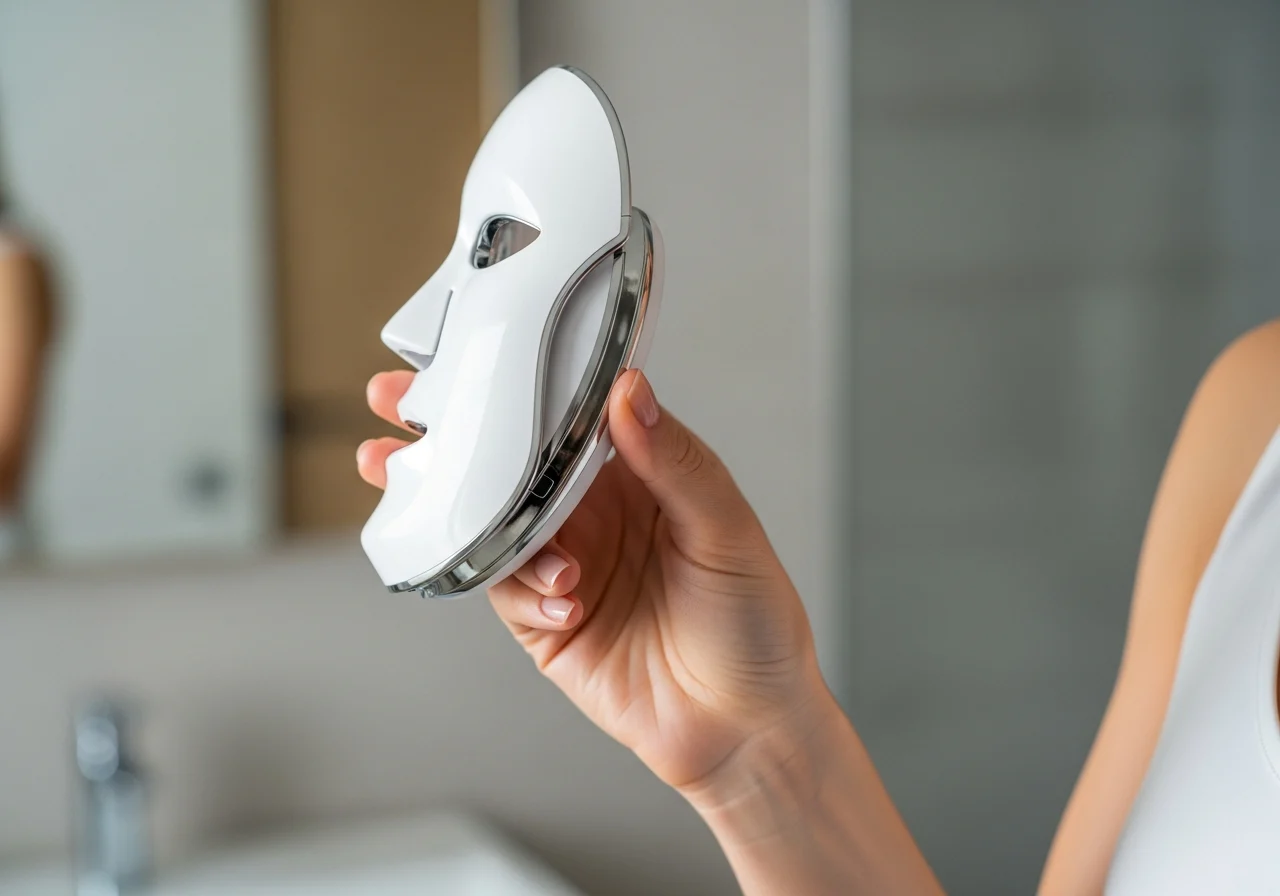
Professional skincare treatments involve procedures performed by licensed dermatologists, aestheticians, or medical professionals in a supervised environment. These services often utilize medical-grade equipment and specialized techniques not available for consumer purchase. Examples include:
The advantages of seeking professional help are considerable. Firstly, there is the assurance of expert supervision. Trained practitioners possess deep knowledge of skin anatomy, conditions, and treatment protocols, minimizing risks and maximizing effectiveness. They can accurately diagnose skin issues and create personalized treatment plans that target specific concerns with precision. The equipment used in clinics is typically much more powerful and penetrates deeper into the skin layers than consumer devices, frequently delivering more dramatic and quicker outcomes. Safety measures are also a priority in these settings, with sterile instruments and controlled environments reducing the chance of complications. For individuals seeking significant changes or addressing severe skin problems like deep wrinkles, stubborn acne scars, or pronounced sun damage, professional interventions often provide the most direct route to desired results.
Despite their effectiveness, professional treatments come with certain limitations. The most prominent is often the financial commitment; individual sessions can be expensive, and a complete course of treatment may add up to a considerable sum. Many procedures require multiple visits, adding to both the cost and time investment. Some treatments also involve downtime, meaning a period of recovery during which the skin may appear red, swollen, or peel. This can disrupt daily activities. Access can also be a challenge for those living in rural areas or with limited mobility.
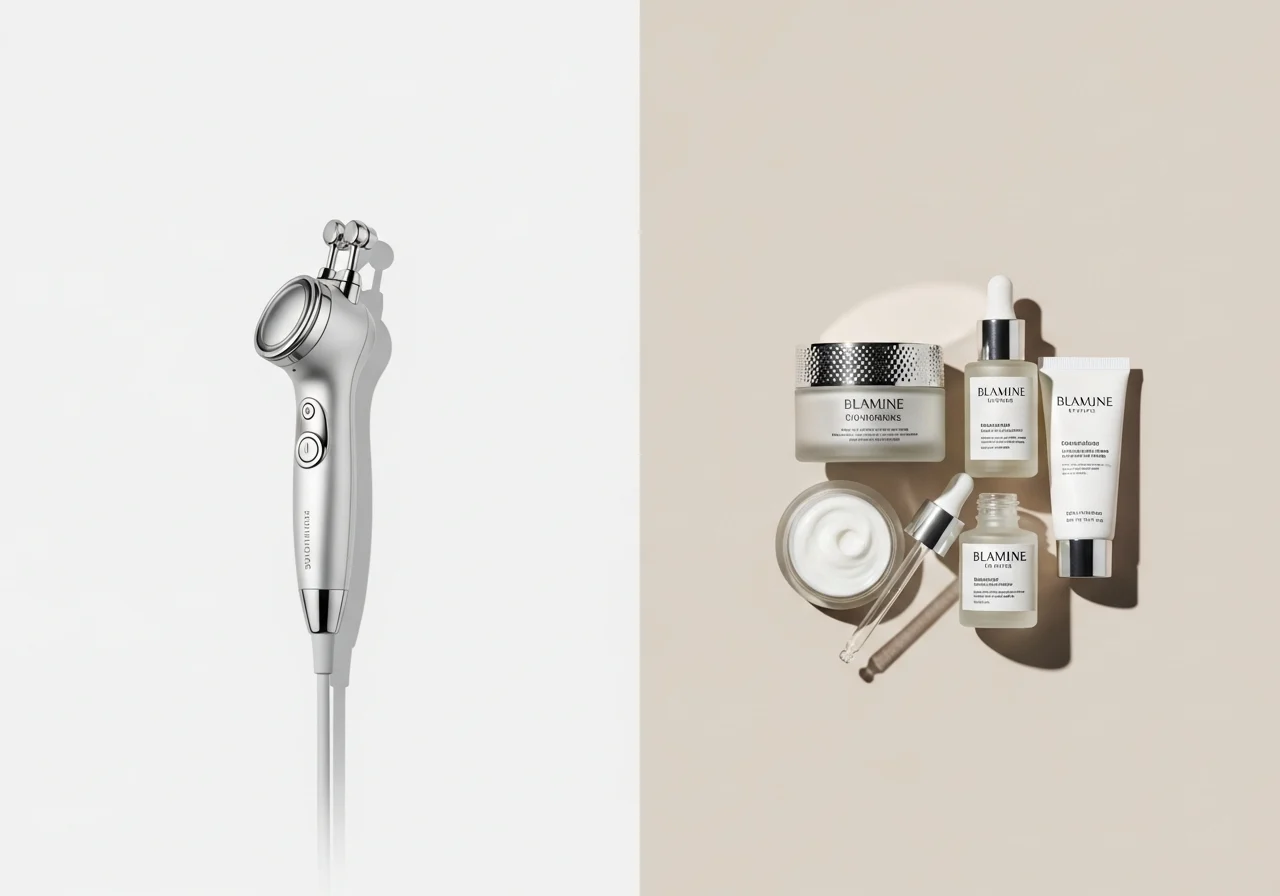
At-home beauty devices are gadgets designed for personal use, allowing individuals to perform various skincare procedures themselves. The market for these tools has grown substantially, offering a wide array of technologies. Popular examples include:
The primary appeal of at-home devices lies in their convenience and privacy. Users can conduct treatments on their own schedule, without appointments or travel. Over time, these devices can represent a cost-effective alternative to repeated professional visits, as the initial purchase is often the main expense. They offer a way to maintain skin health and appearance consistently, integrating easily into a daily or weekly routine. For those with mild concerns or looking to support and extend the effects of previous professional treatments, these devices provide a useful option.
While convenient, at-home devices have their own set of disadvantages. A key difference is their power level; to ensure user safety, these devices are typically less powerful than their professional counterparts. This means results may be slower to appear, less dramatic, or require much more consistent and prolonged use to achieve noticeable effects. There is also a greater risk of user error, as individuals might not apply the device correctly, leading to suboptimal results or, in some cases, skin irritation. The initial investment for a quality at-home device can still be substantial, and efficacy can vary widely between brands and technologies. Furthermore, at-home devices are generally not suitable for severe skin conditions that require medical oversight.
When considering the effectiveness of skincare solutions, a significant distinction exists between dermatologist treatments versus home devices. Professional treatments, by nature of their higher power, deeper penetration, and expert application, generally yield more pronounced and quicker outcomes. For example, a clinical laser treatment for sun spots will likely remove them in fewer sessions than an at-home IPL device, which might only lighten them over many months. At-home devices can be effective for maintenance, minor improvements, or addressing superficial concerns. They are often best viewed as tools for incremental improvement and ongoing care, rather than quick fixes for significant issues. Consistency is paramount for at-home device effectiveness; skipping sessions will certainly diminish results.
The financial aspect is a major deciding factor. Professional treatments involve a per-session fee that can range from tens to hundreds or even thousands of dollars, depending on the procedure and clinic. A full course of treatment, such as a series of laser resurfacing sessions, can quickly add up. At-home devices, while having an upfront cost (which can range from under $100 to over $1000), typically represent a one-time purchase. Over the long run, if used consistently and effectively, they can offer significant savings compared to recurring professional appointments. However, it’s important to factor in the potential need for replacement parts or ongoing product purchases (e.g., gels for microcurrent devices).
Safety is a paramount concern. Professional treatments are performed by individuals with extensive training and certifications, who understand contraindications and how to manage potential side effects. The clinical environment is regulated, ensuring adherence to safety standards. With at-home devices, the user takes on the responsibility for correct application and understanding their own skin. Misuse can lead to irritation, burns, or other adverse reactions. While manufacturers include instructions, there is no substitute for professional guidance, particularly for individuals with sensitive skin or underlying conditions.
At-home devices offer unmatched convenience. They integrate into one’s personal schedule, removing the need for travel, appointments, or childcare arrangements. This makes them ideal for busy individuals or those who value privacy. Professional treatments, conversely, demand scheduling appointments, traveling to a clinic, and potentially taking time off work for the procedure and recovery. For some, this structured approach and dedicated time away from daily life can be a welcome escape, but for others, it represents an obstacle.
The nature of your skin concern should guide your choice. For severe acne, deep wrinkles, significant scarring, or advanced signs of aging, professional interventions are generally more appropriate and effective. These issues often require the power and precision that only clinical devices and expert application can provide. For mild acne, fine lines, improving skin texture, maintaining hydration, or general anti-aging preventative care, at-home devices can be a valuable addition to a skincare routine. They also serve well as maintenance tools following professional treatments.
Choosing between professional treatments and at-home devices requires a thoughtful evaluation of several personal factors:
For many, the most effective approach may involve a combination of both. Professional treatments can address specific, more intensive concerns and kickstart significant improvements, while at-home devices can help maintain those results and support overall skin health between clinic visits. Before making any significant investment, whether in a high-end device or a series of clinical procedures, consulting with a dermatologist or a qualified aesthetician is highly recommended. A professional can assess your skin type, identify your primary concerns, and offer tailored advice on the most suitable path for you, ensuring your beauty investments are both safe and effective.
The decision between professional skincare treatments and at-home beauty devices is a personal one, with valid arguments for each side. Professional services offer the advantage of expert knowledge, powerful equipment, and often quicker, more dramatic outcomes, albeit at a higher cost and with potential downtime. At-home devices provide convenience, privacy, and long-term cost savings for consistent use, making them suitable for maintenance and addressing milder concerns. By carefully weighing the efficacy, cost, safety, and suitability for your individual needs, you can navigate the diverse options available and make choices that truly serve your skin health and aesthetic aspirations. Empowering yourself with knowledge is the first step toward achieving your desired skin goals.