The beauty and dermatological industries are witnessing a profound shift, moving beyond superficial enhancements to focus on the fundamental biology of healthy skin. At the heart of this evolution lies the intricate world of the skin microbiome. For formulators, R&D specialists, and dermatologists, understanding this complex ecosystem is no longer optional; it is a vital component for conceiving the next generation of effective and reliable skincare solutions. This exploration delves into how a deeper comprehension of the skin’s microbial inhabitants and its protective outer layer is driving innovation, influencing ingredient choices, and shaping future product claims.
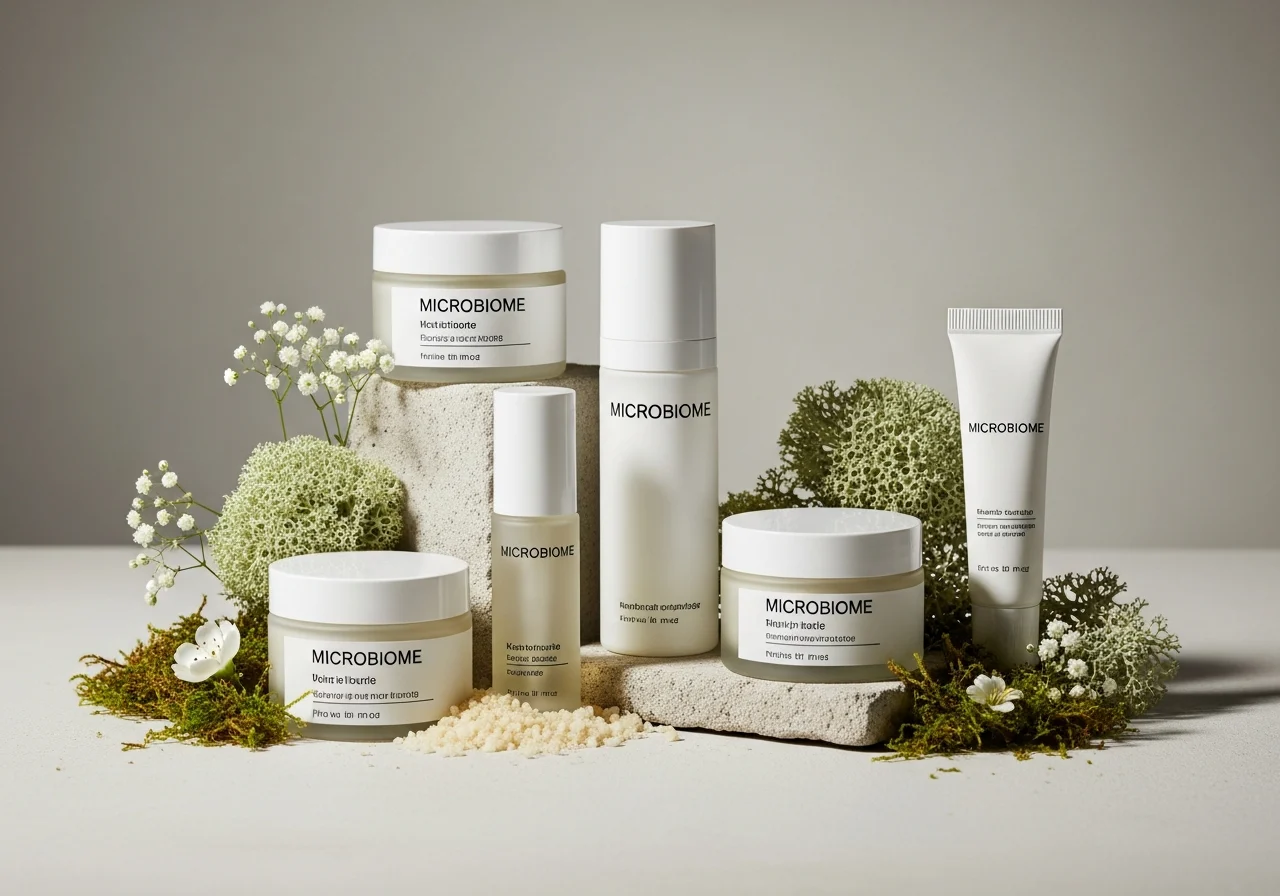
The human skin, our body’s largest organ, hosts a vast and diverse community of microorganisms—bacteria, fungi, viruses, and mites—collectively known as the skin microbiome. Far from being mere passengers, these microscopic residents play critical roles in maintaining skin health. They contribute to the skin’s immune defenses, help process natural lipids, and even produce compounds that inhibit the growth of harmful pathogens. A balanced, diverse microbiome is a hallmark of healthy skin, acting as a first line of defense against environmental aggressors and irritants.
Closely intertwined with the microbiome is the skin barrier function skincare, a complex structure composed of skin cells and lipids that serves as the primary shield against external threats while preventing excessive water loss. When this barrier is compromised, the skin becomes more vulnerable to dehydration, irritation, and the ingress of allergens and microbes. Disruptions to the skin barrier often coincide with imbalances in the microbiome, creating a vicious cycle that can exacerbate conditions like eczema, acne, and sensitivity. Modern product development recognizes that supporting one invariably benefits the other, moving towards integrated strategies that fortify both simultaneously.
The growing scientific evidence linking the microbiome to various skin conditions has fundamentally reshaped the approach to microbiome in skincare product development. Traditional skincare often focused on sterile environments or eradicating specific microbes, sometimes inadvertently disrupting the beneficial flora. The current philosophy champions a more harmonious approach: nurturing the skin’s natural microbial balance to foster resilience and health. This entails formulating products that are gentle, pH-balanced, and specifically designed to support the beneficial microorganisms without causing undue stress.
This shift requires formulators to consider ingredients not just for their direct effects on skin cells, but also for their impact on the microbial community. The goal is to create an environment where the skin’s natural defenses can operate at their best, leading to more robust and healthier-looking skin. This strategic perspective moves beyond simply treating symptoms, aiming instead to address the root causes of many skin concerns by restoring ecological equilibrium.
The advent of microbiome science has introduced a specialized lexicon of ingredients designed to interact with the skin’s microbial residents. These can be broadly categorized into prebiotics, probiotics, and postbiotics, each offering distinct mechanisms for supporting skin health.
Selecting the appropriate ingredient, or often a combination thereof, depends on the specific skin concern being addressed and the desired biological outcome. Formulators must meticulously research and test these components to ensure their compatibility, stability, and efficacy within the final product.
For dermatologists and R&D teams, integrating dermatological microbiome strategies into product development signifies a move towards more targeted and efficacious treatments. This involves designing products that can specifically address imbalances associated with particular skin conditions.
The development process necessitates rigorous clinical testing to validate claims, moving beyond simple microbial counts to functional assessments of skin health markers, inflammatory responses, and barrier integrity. This scientific rigor is paramount for gaining trust from both consumers and the medical community.
The future of microbiome in skincare product development is rich with possibilities. Advancements in sequencing technologies are allowing for a more detailed understanding of individual skin microbiomes, paving the way for personalized skincare solutions tailored to a person’s unique microbial signature. Imagine diagnostic tools that analyze your skin’s microbial profile and recommend a customized regimen to optimize its health.
Furthermore, the industry will continue to refine its approach to ingredient sourcing and formulation, seeking novel compounds from diverse biological sources that can gently yet effectively modulate the skin microbiome. The emphasis will remain on creating formulations that respect the skin’s inherent biology, supporting its natural functions rather than overriding them.
As consumers become more informed, their demand for transparent, science-backed products will increase. Brands that can clearly articulate the benefits of their microbiome-friendly formulations, supported by robust scientific evidence, will build stronger relationships with their audience. The narrative will shift further towards long-term skin health and resilience, a message that resonates deeply with those seeking lasting well-being.
The journey into the skin microbiome represents a transformative chapter for skincare and dermatology. By integrating insights into the skin’s microbial inhabitants and its barrier function, formulators, R&D teams, and dermatologists are equipped to devise products that address skin health at its most fundamental level. The strategic adoption of prebiotic, probiotic, and postbiotic ingredients, combined with precise dermatological strategies, offers a powerful means to innovate. This ensures that future skincare solutions will not only enhance appearance but also cultivate a truly healthy, resilient skin ecosystem, marking a significant step forward in the pursuit of comprehensive skin wellness.