The field of aesthetic medicine stands at a pivotal moment, observing a profound reorientation in patient aspirations. A discernible movement is taking shape, steering away from procedures focused solely on adding volume or altering contours, towards methods that foster intrinsic dermal vitality and support the body’s own renewal processes. This significant shift highlights a growing desire for outcomes that appear authentic and enduring, prompting a closer examination of what *regenerative aesthetic treatments* offer.
For practitioners, understanding this evolving preference is paramount. The modern patient seeks not merely a temporary adjustment, but a deeper enhancement that aligns with their perception of natural beauty and long-term skin health. This article explores the forces driving this change, delves into the concept of ‘injectable fatigue,’ and illuminates how regenerative approaches are providing viable *alternatives to facial fillers*, delivering subtle yet impactful aesthetic improvements.
For many years, the pursuit of aesthetic enhancement often involved procedures designed to fill, lift, or smooth areas of concern, frequently employing synthetic substances. While these methods achieved immediate visual changes, a collective sentiment has emerged favoring a more understated and organic appearance. Patients increasingly articulate a wish for *subtle aesthetic results* that complement their existing features, rather than drastically altering them. This inclination forms a cornerstone of what is now recognized as *natural aesthetics trends*.
The desire for a refreshed, well-rested look, free from any suggestion of artificiality, now dictates many aesthetic consultations. Individuals are expressing a preference for treatments that improve skin quality, texture, and firmness from within, allowing their natural radiance to shine through. This re-evaluation of aesthetic goals underscores a broader societal appreciation for genuine beauty and a rejection of overly processed or exaggerated appearances.
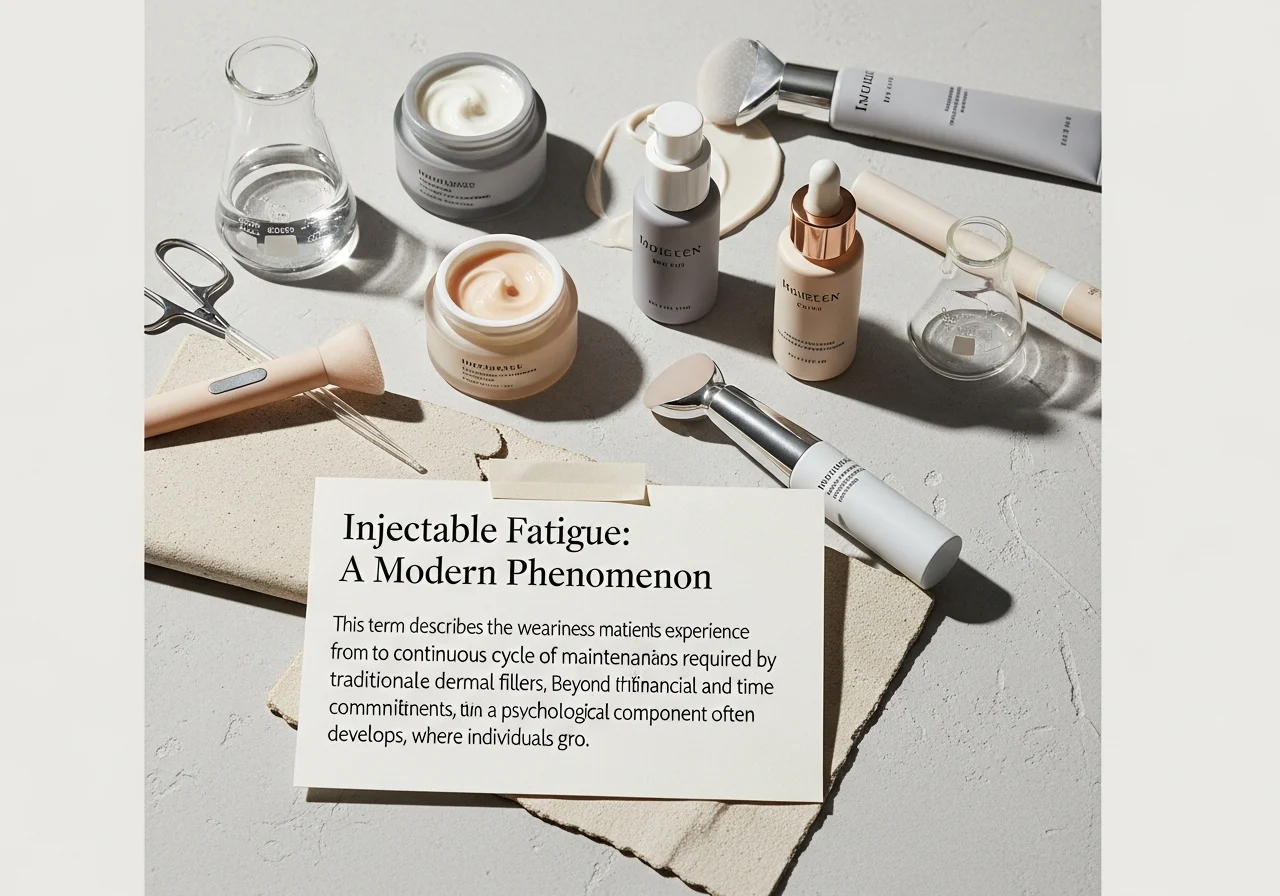
A compelling factor influencing this paradigm shift is the rise of ‘injectable fatigue.’ This term describes the weariness many patients experience from the continuous cycle of maintenance injections required by traditional dermal fillers. Beyond the financial and time commitments, a psychological component often develops, where individuals grow tired of feeling perpetually “treated” or of seeing a face that, while improved, might not feel entirely their own.
Symptoms of ‘injectable fatigue’ extend beyond mere inconvenience. Some patients report a sense of their facial features losing their unique character over time, or a persistent worry about appearing “overdone.” This sentiment has catalyzed a search for different pathways to aesthetic improvement—pathways that promise longevity, fewer touch-ups, and a more harmonious integration with their inherent beauty. The search for *alternatives to facial fillers* is a direct response to this widespread sentiment, driving innovation toward methods that work with the body, not just on it.
Into this evolving landscape step *regenerative aesthetic treatments*, offering a compelling answer to the contemporary patient’s demands. These innovative therapies operate on the principle of stimulating the body’s inherent capacity for repair and renewal, rather than simply adding exogenous material. They aim to improve skin health at a cellular level, promoting the production of collagen, elastin, and other vital components that diminish with age.
Unlike traditional fillers that provide immediate but temporary volume, regenerative methods foster a gradual, sustained improvement in skin structure and function. This approach leads to outcomes that look and feel authentically youthful, without the tell-tale signs of external intervention. The focus here is on genuine tissue rejuvenation, resulting in stronger, healthier skin that exhibits improved tone, texture, and elasticity over time. This represents a fundamental shift from merely addressing symptoms of aging to actively reversing some of its intrinsic effects.
The spectrum of *regenerative aesthetic treatments* is broad and continually expanding, incorporating various scientific advancements:
Each of these modalities contributes to the overarching goal of intrinsic skin health, offering long-term benefits that align with the desire for authentic and enduring beauty.
For individuals seeking aesthetic enhancement, the benefits of opting for *regenerative aesthetic treatments* are manifold:
For aesthetic practitioners, recognizing and responding to this shift is crucial for sustained success. The move towards *regenerative aesthetic treatments* and *natural aesthetics trends* necessitates a re-evaluation of service offerings and consultation strategies.
Practitioners should focus on:
The current trajectory of aesthetic medicine points towards a future where treatments are increasingly personalized, biologically integrated, and focused on genuine skin health. The era of *regenerative aesthetic treatments* is not merely a passing fad; it represents a fundamental evolution in how beauty and youthfulness are perceived and pursued. By championing methods that encourage the body’s innate capacity for renewal, the industry is setting a new standard for outcomes that are not only visually pleasing but also genuinely restorative.
For both patients and practitioners, this signifies a promising path forward—one that prioritizes authenticity, long-term well-being, and a harmonious relationship with one’s natural appearance. The influence of regeneration in aesthetics is set to grow, shaping a future where beauty is cultivated from within, yielding results that appear truly revitalized.